

A Guide to Replacing the Engine Water Pump on a 1989-1993 Pontiac Firebird
Keep your Firebird's engine cool and prevent catastrophic failure by understanding when and how to replace your water pump.
- For V8 models with a serpentine belt, you MUST use a 'reverse rotation' water pump.
- The most common sign of failure is a coolant leak from the pump's weep hole, located on the bottom of the unit.
- While replacing the pump, it is highly recommended to also replace the thermostat and inspect or replace the radiator and heater hoses.
- Choose a brand based on your needs: value brands like GMB are fine for daily driving, while premium brands like Gates or Edelbrock offer enhanced durability and performance.
Why Water Pumps Fail on a Third-Gen Firebird
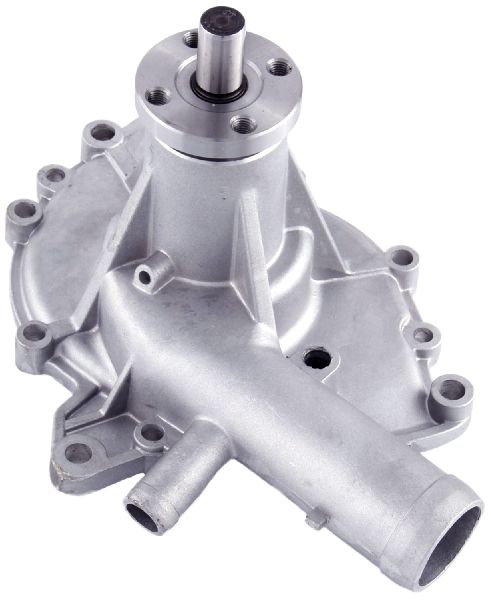
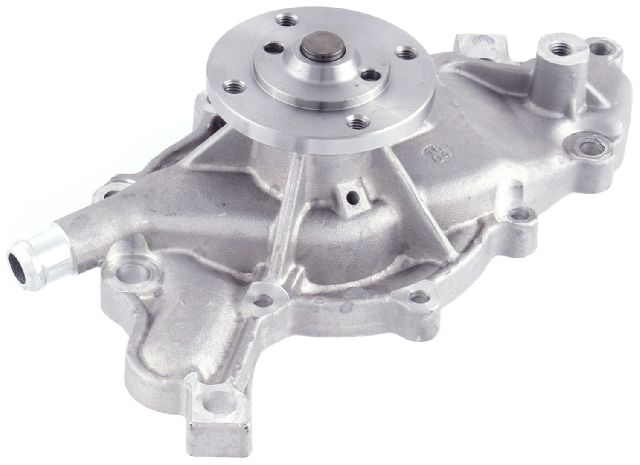
The water pump on a 1989-1993 Pontiac Firebird is a mechanical part with a spinning shaft and internal seals. Over time and many miles, these components simply wear out. The bearing that supports the pump's shaft can fail from constant use, leading to wobbling and noise. The seals that keep coolant inside the pump can dry out, crack, and leak. Sometimes, corrosion from old or improper coolant can eat away at the impeller fins, reducing the pump's ability to move fluid effectively.
Symptoms of a Failing Water Pump
A bad water pump will almost always give you a warning sign before it completely fails. Paying attention to these signs can save you from a much more expensive engine repair down the road.
- Coolant Leaks: This is the most common symptom. You may find a puddle of green, orange, or pink fluid under the front of your engine. The leak often comes from the pump's "weep hole," a small hole on the bottom of the pump designed to let coolant escape when the internal seal fails. You might also see dried coolant trails on the engine below the pump.
- Engine Overheating: If the pump can't circulate coolant, the engine's temperature will climb, especially when idling or in stop-and-go traffic. An overheating engine is a serious problem that requires you to stop driving immediately.
- Whining or Grinding Noises: A high-pitched whining sound from the front of the engine that changes with engine speed can indicate a failing bearing inside the water pump. This means the pump's shaft is loose and the part is close to seizing.
- Wobbly Pulley: If you can safely inspect the front of the engine (with the car off), try to wiggle the water pump pulley. If there is any play or wobble, the bearing is shot and the pump needs immediate replacement.
Critical Fitment Note: Reverse Rotation Pumps
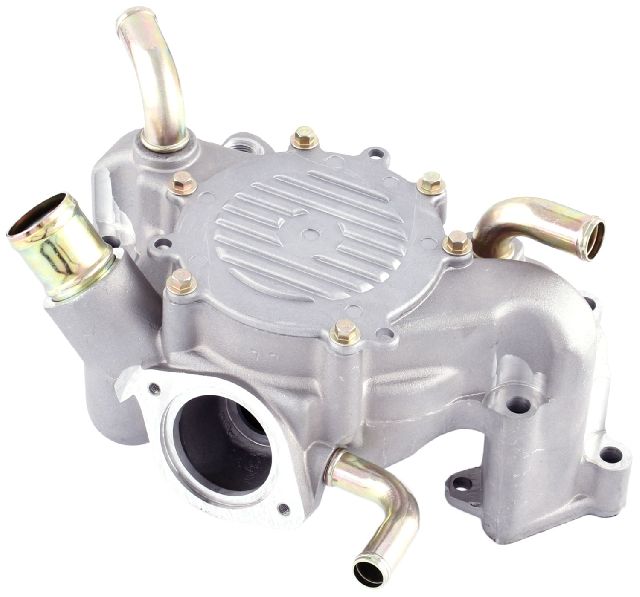
Firebirds from this era equipped with a V8 engine and a serpentine belt system require a reverse rotation water pump. This is because the smooth side of the belt drives the pulley. Using a standard (clockwise) rotation pump will cause the engine to overheat quickly because the impeller will be spinning the wrong way. Always verify the correct rotation for your specific engine and belt setup before ordering. V6 models typically use a standard rotation pump.
Choosing the Right Aftermarket Water Pump
With original GM parts being scarce for a 30+ year old car, the aftermarket is your go-to source. Quality and price can vary, so it's helpful to think of brands in tiers.
- Performance / High-Flow (Tier 1): Brands like Edelbrock and Flowkooler offer high-performance water pumps. These are designed with improved impellers to move more coolant at lower engine speeds, making them a great upgrade for modified engines or cars that see track time. They are the most expensive option.
- Premium Aftermarket (Tier 2): This is the sweet spot for most owners. Brands like Gates, Dayco, and ACDelco (Professional series) offer reliable, OE-quality replacements. They provide good performance and durability for daily drivers and are priced moderately.
- Standard / Value (Tier 3): Brands like GMB, US Motor Works, and Melling offer a good balance of affordability and quality. They are a solid choice for budget-conscious repairs and are often backed by good warranties.
Pro Tip: Replace More Than Just the Pump
Since you'll have the cooling system drained and the front of the engine accessible, it is highly recommended to replace the thermostat, radiator hoses, and heater hoses at the same time. These parts are inexpensive and wear out over time. Replacing them all at once is smart preventative maintenance that can save you from another cooling system repair in the near future.
Cost of Replacing a Firebird Water Pump
| Part or Service | Estimated Cost |
|---|---|
| New Aftermarket Water Pump | $53 - $280 |
| Shop Labor for Installation | $200 - $375 |
| Total Professional Installation | $253 - $655 |
| DIY Cost (Part + Coolant) | $75 - $310 |
Cost estimates are for the part and labor only and do not include taxes, fees, or related parts like thermostats or hoses.
Frequently Asked Questions (FAQ)
Can I drive my Firebird with a bad water pump?
No. Driving with a failing water pump is a major risk. A small leak can suddenly become a large one, or the pump's bearing can seize, causing the belt to break. Either event will lead to rapid engine overheating and can result in catastrophic damage like a cracked block or warped cylinder heads. It is best to have the vehicle towed.
What is the 'weep hole' on a water pump?
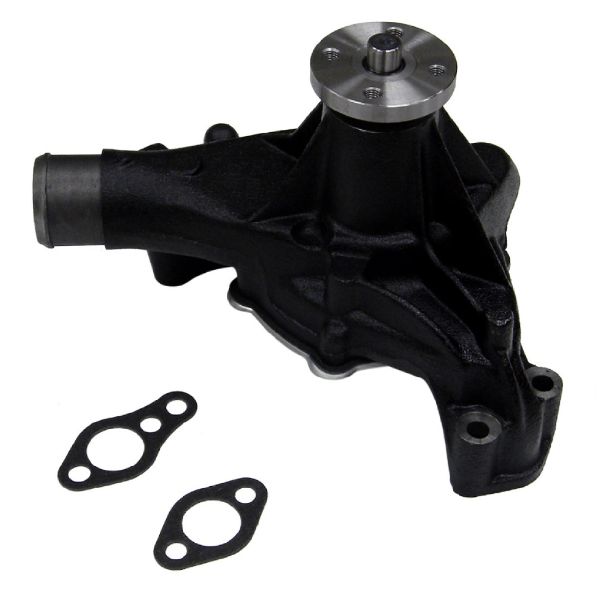
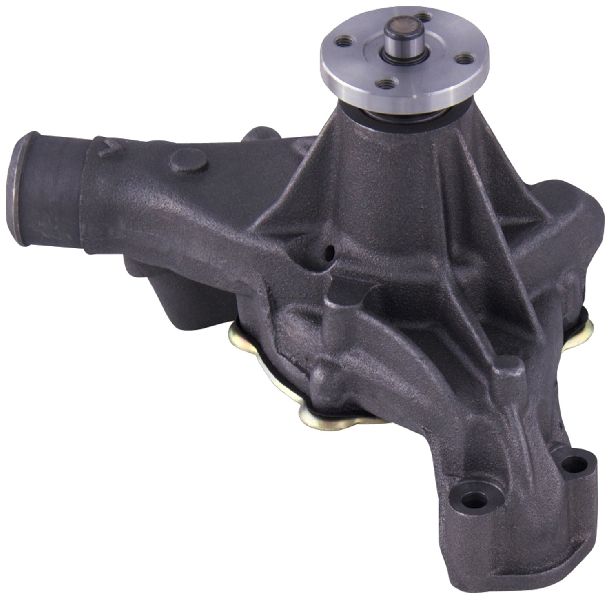
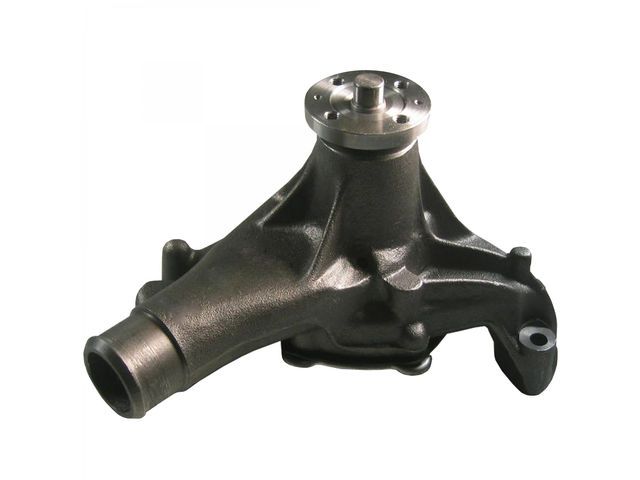
The weep hole is a small opening on the underside of the water pump housing, just behind the pulley. It's a diagnostic feature. If the internal shaft seal fails, coolant will leak out of this hole, providing a clear visual sign that the pump needs to be replaced before a major failure occurs.
Is replacing the water pump a DIY job?
For someone with moderate mechanical skill and the right tools, yes. The job involves draining the coolant, removing the serpentine belt, possibly unbolting the power steering pump and moving it aside, and then removing the pump itself. The biggest challenge can be cleaning the old gasket material off the engine block or timing cover to ensure a leak-free seal with the new pump.
Do I need special sealant for the gaskets?
Many new water pumps come with high-quality gaskets that are designed to be installed dry. However, many mechanics and experienced owners apply a thin layer of RTV silicone sealant or gasket sealant to both sides of the paper or fiber gaskets. This helps ensure a better seal, especially on older engines where the mating surfaces may have minor corrosion or pitting. Always follow the instructions included with your new pump and sealant.
Technical Specifications
OEM Part Numbers: 12523709 10089659 12518277
V8 engines with a serpentine belt require a reverse rotation water pump. V6 engines typically use a standard rotation pump. Always confirm fitment based on your specific engine (2.8L/3.1L V6, 5.0L V8, or 5.7L V8) and belt system.
We Have This Part in Stock

The information in this article is provided for general reference and educational purposes only. Vehicle specifications, procedures, and part compatibility can vary by production date, trim level, and region. Always consult your vehicle's factory service manual and verify part numbers before purchasing or performing repairs. Safety-critical components such as airbags, seat belts, and braking systems should be installed by a qualified professional.
- Pontiac Firebird:
- 🛍️ Shop This Part
- Why Water Pumps Fail on a Third-Gen Firebird
- Symptoms of a Failing Water Pump
- Critical Fitment Note: Reverse Rotation Pumps
- Choosing the Right Aftermarket Water Pump
- Pro Tip: Replace More Than Just the Pump
- Cost of Replacing a Firebird Water Pump
- Frequently Asked Questions (FAQ)
- 🎟️ Get 5% Off