

A Comprehensive Guide to the 1989-1993 Suzuki Swift Oxygen Sensor
Keep your Swift's engine running efficiently by understanding its single, crucial oxygen sensor.
- Your 1989-1993 Swift uses a single, 1-wire, upstream oxygen sensor that is simple to replace.
- A failing sensor will trigger OBD-I Code 13, which you can check by jumping a fuse in the fuse box.
- For best results, choose a direct-fit replacement sensor from an OE-quality brand like NGK/NTK or Denso.
- The most difficult part of the job is often breaking the old, rusted sensor loose from the exhaust manifold.
Is Your Suzuki Swift Oxygen Sensor Failing?
A bad oxygen sensor can cause noticeable problems with how your car runs. Because the 1989-1993 Suzuki Swift has a simple engine management system, the symptoms of a failing O2 sensor are often very clear. Ignoring them can lead to poor performance, wasted fuel, and potential damage to your catalytic converter over time.
Common Failure Symptoms
- Poor Fuel Economy: One of the most common signs. If you're filling up your gas tank more often than usual, a bad O2 sensor could be telling the engine to use too much fuel.
- Rough Idle or Stalling: An incorrect air-fuel mixture can make your engine run unevenly, causing it to shake at a stop or even stall.
- Check Engine Light: Your Swift is equipped with an early diagnostic system called OBD-I. A failing oxygen sensor will typically trigger the 'Check Engine' light.
- Failed Emissions Test: An O2 sensor is critical for controlling pollution. Your car will not pass an emissions test if the sensor isn't working correctly.
- Black Smoke or Rotten Egg Smell: A very rich fuel mixture can cause black smoke from the exhaust pipe or a distinct sulfur-like smell.
Checking for OBD-I Trouble Codes
Your 1989-1993 Swift uses an OBD-I system. You can read the trouble codes without a special scanner. Locate the fuse panel under the driver's side dashboard and find the empty diagnostic terminal, which is often a raised, empty fuse slot. Insert a spare fuse into this slot and turn the ignition key to the 'On' position without starting the engine. The 'Check Engine' light will begin to flash a two-digit code. Code 13 (one flash, pause, three flashes) specifically points to an oxygen sensor issue.
Choosing the Right Aftermarket Oxygen Sensor
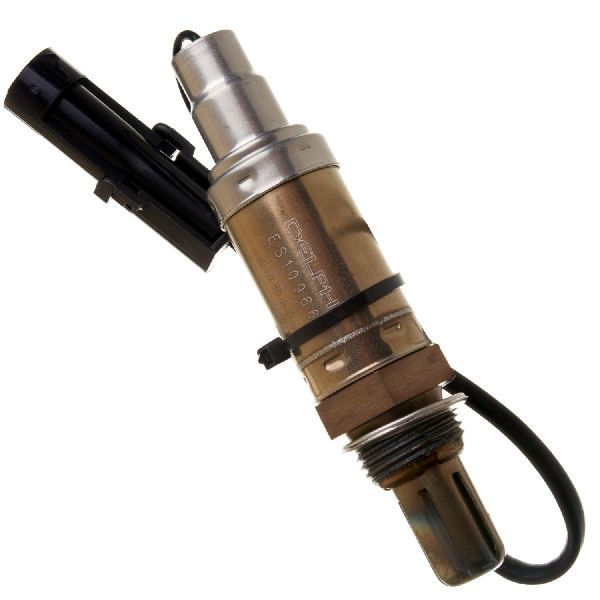
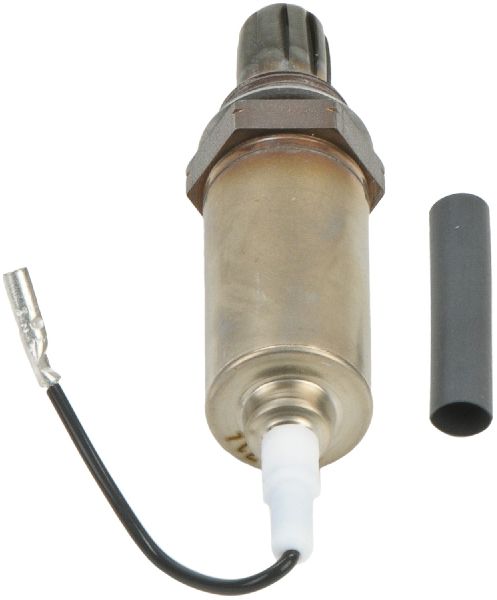
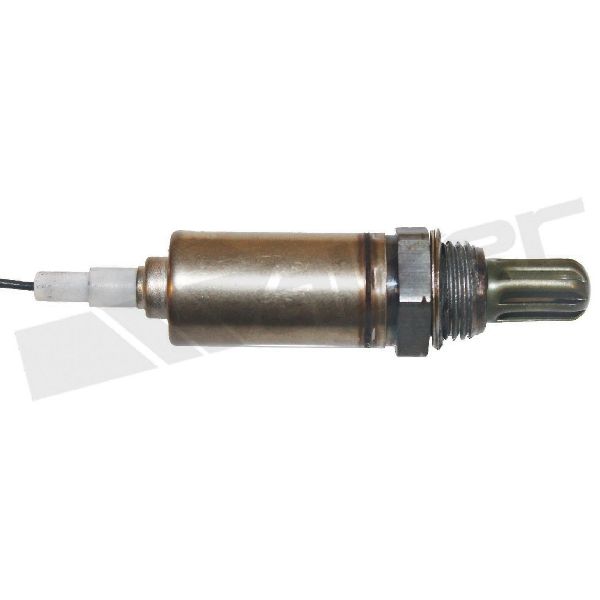
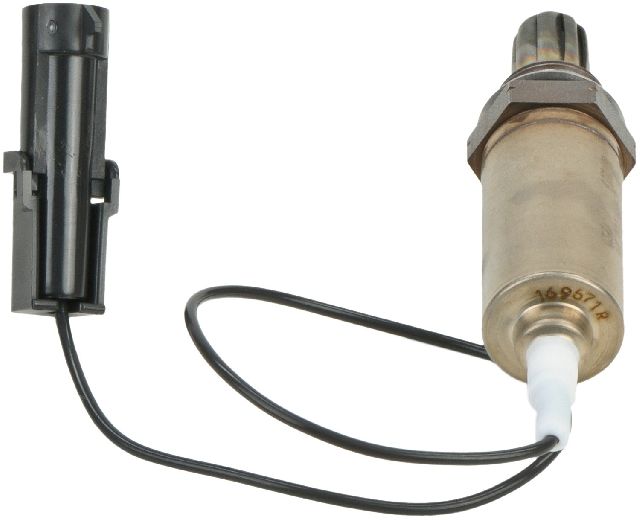
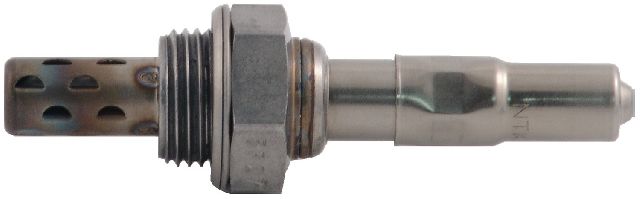
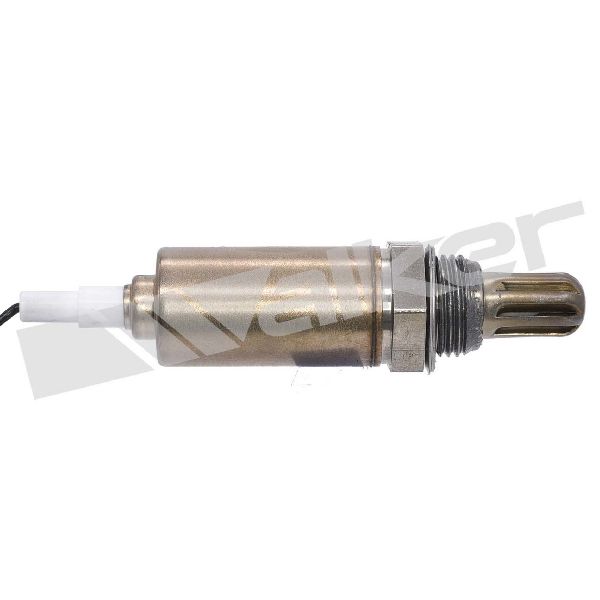
For a vehicle like the 1989-1993 Swift, you don't need to buy an expensive part from the dealer. High-quality aftermarket brands offer excellent performance, often from the same companies that made the original part. Your Swift uses a simple, single-wire, non-heated oxygen sensor located upstream of the catalytic converter.
Brand Quality Tiers
- Premium Brands (Recommended): NGK (NTK) and Denso are Japanese brands known for being Original Equipment (OE) suppliers for Suzuki and other Japanese automakers. Choosing a direct-fit sensor from one of these brands is the safest bet for reliability and performance that meets or exceeds factory specifications.
- Quality Alternatives: Bosch and Walker Products are well-regarded aftermarket brands. While Bosch is a top-tier manufacturer, some forums note that Japanese vehicles run best on their original equipment brands like NGK or Denso. However, for a simple sensor like this, a Bosch direct-fit is still a very reliable choice.
- Economy Brands: Brands like DriveWire are more budget-focused. While they are the most affordable, they may not offer the same longevity or precise calibration as premium brands. For a critical sensor, it's usually worth spending a little more for a better-known brand.
Universal vs. Direct-Fit
You will see both "direct-fit" and "universal" sensors available. A direct-fit sensor comes with the correct plug to connect directly to your Swift's wiring harness, making installation easy. A universal sensor requires you to cut the old plug off and splice it onto the new sensor's wires. Given the small price difference, a direct-fit sensor is always recommended to avoid potential wiring mistakes.
How Much Does a Replacement Cost?
Replacing the oxygen sensor on a 1989-1993 Swift is an affordable repair. The part itself is not expensive, and labor is minimal.
| Part/Service | Estimated Cost |
|---|---|
| New Aftermarket Oxygen Sensor | $28.13 - $78.17 |
| Shop Labor | $50 - $90 |
| Total Estimated Cost (DIY) | $28.13 - $78.17 |
| Total Estimated Cost (Shop) | $78 - $168 |
Frequently Asked Questions
How many oxygen sensors does my 1989-1993 Swift have?
Your Swift has only one oxygen sensor. It is an "upstream" sensor located in the exhaust manifold before the catalytic converter.
Can I clean my old oxygen sensor?
While some people attempt to clean O2 sensors, it is not a reliable or recommended fix. Contaminants can penetrate the sensor's porous ceramic element, and cleaning the surface rarely restores its accuracy. Given the low cost of a new sensor, replacement is the best option.
Is this a difficult part to replace myself?
No, it is a relatively easy job for a DIY mechanic. The sensor is easy to access in the engine bay. The only common difficulty is removing the old sensor if it is rusted in place. Using a special oxygen sensor socket and soaking the sensor in penetrating oil beforehand is highly recommended.
What happens if I don't replace a bad O2 sensor?
You will continue to experience poor fuel economy and rough performance. Over time, a constantly rich fuel mixture can overheat and damage your catalytic converter, which is a much more expensive part to replace.
Technical Specifications
Location: Upstream (on exhaust manifold, before catalytic converter) Wire Count: 1 Heated: No
We Have This Part in Stock

The information in this article is provided for general reference and educational purposes only. Vehicle specifications, procedures, and part compatibility can vary by production date, trim level, and region. Always consult your vehicle's factory service manual and verify part numbers before purchasing or performing repairs. Safety-critical components such as airbags, seat belts, and braking systems should be installed by a qualified professional.
- Suzuki Swift: