

Toyota 4Runner A/C Receiver Drier Guide: 1989-1993
Keep your classic 4Runner's A/C blowing cold by understanding this critical, often-overlooked part.
- Always replace the receiver drier whenever the A/C system is opened for any repair.
- Denso is the OE-equivalent brand and offers the highest quality and best fit for your 4Runner.
- Replacement requires specialized equipment to evacuate and recharge refrigerant; this is not a simple DIY job.
- Ensure the new part and lubricating oil are compatible with your system's refrigerant (R12 or converted R134a).
Is Your 4Runner's A/C Showing Its Age?
If the air conditioning in your 1989-1993 Toyota 4Runner isn't performing like it used to 🎬 Watch: Troubleshooting common A/C issues on a classic Toyota, a failing A/C receiver drier could be part of the problem. This component is vital for the health and efficiency of the entire A/C system. Ignoring it can lead to more expensive repairs, like a failed A/C compressor.
Symptoms of a Bad A/C Receiver Drier
A bad receiver drier doesn't always fail on its own; it's often a sign of a larger issue or just old age. Here are the common symptoms:
- Poor Cooling Performance: The most obvious sign is that the air from your vents isn't cold. A clogged drier restricts refrigerant flow, preventing the system from cooling effectively.
- Rattling Noises: If you hear rattling from the engine bay when the A/C is on, it could be the desiccant bag inside the drier has broken apart. These loose particles can then travel through the system and cause major damage.
- Musty or Moldy Smell: A water-saturated drier can allow mold and mildew to grow inside the A/C system, causing a bad smell to come from the vents when you turn on the air.
- Visible Refrigerant Leaks: While less common from the drier itself, leaks can occur at the fittings. You might see a greasy residue around the connections.
Choosing the Right Aftermarket Receiver Drier
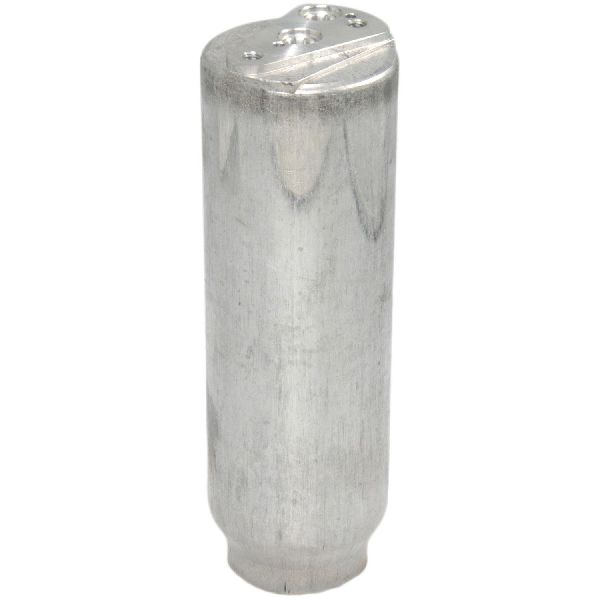
For a classic vehicle like the 2nd generation 4Runner, aftermarket parts offer great value. However, quality can vary. Denso is widely recognized as the Original Equipment (OE) supplier for Toyota, making it a top-tier choice for fit and performance. Other brands offer a more budget-friendly alternative.
Aftermarket Brand Quality Tiers
| Tier | Brands | Quality & Fitment Notes |
|---|---|---|
| Tier 1: OE-Equivalent | Denso | Often the original part manufacturer for Toyota. Offers the best guarantee of correct fit, performance, and durability. Highly recommended by mechanics and owners. |
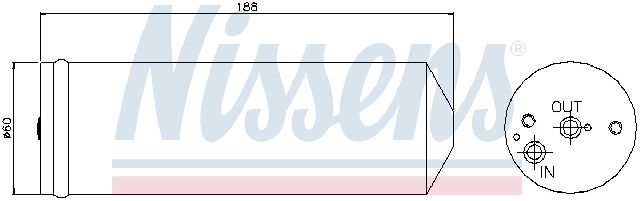
| Tier 2: Quality Aftermarket | Four Seasons, Nissens | Four Seasons is a well-known aftermarket brand with a solid reputation. Nissens is also a quality option, though some forum users have occasionally reported minor fitment issues on other vehicles that required small modifications. |
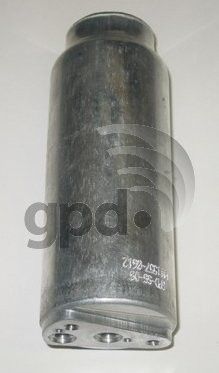
| Tier 3: Economy | Global Parts Distributors (GPD), UAC | These brands provide a functional, budget-friendly replacement. They meet basic requirements and are a good choice for repairs where cost is the primary concern. |
A Note on Refrigerant: R12 vs. R134a
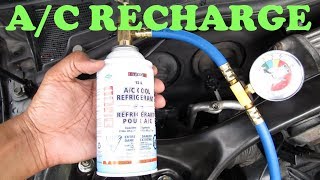
Your 1989-1993 4Runner originally came with R12 refrigerant, which is no longer used. Most of these vehicles have been converted to the modern R134a standard. 🎬 See a full R134a conversion and installation walkthrough This is critical because the oils used for each system are not compatible. When replacing your drier, ensure it is compatible with R134a and that you use the correct type of oil (PAG oil) if your system has been converted. Many new driers are compatible with both.
Known Issues, Recalls, or TSBs
Searches of the National Highway Traffic Safety Administration (NHTSA) database and technical service bulletins (TSBs) did not reveal any specific recalls or widespread issues for the A/C receiver drier on the 1989-1993 Toyota 4Runner. Most failures are due to age, moisture saturation, or contamination from another failing A/C component.
Frequently Asked Questions (FAQ)
When should I replace the A/C receiver drier?
You should replace the receiver drier every time the A/C system is opened for a repair. This includes replacing a compressor, condenser, or hose. The desiccant inside absorbs moisture from the air, and once the system is opened, it becomes saturated and can no longer do its job effectively.
Can I replace just the receiver drier myself?
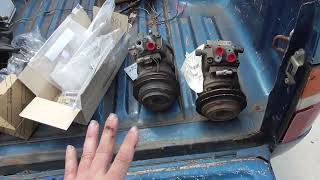
While physically swapping the part is straightforward 🎬 Watch: A step-by-step guide to replacing the receiver drier for a DIYer, the A/C system must be professionally evacuated of refrigerant before the repair and then properly vacuumed and recharged afterward. This requires expensive, specialized equipment. For this reason, A/C system repairs are best left to a qualified mechanic.
What is desiccant and why is it important?
Desiccant is a drying agent, usually in the form of silica gel beads, packed inside the receiver drier. Its only job is to absorb any water that gets into the A/C system. Water can cause corrosion and reduce the effectiveness of the lubricating oil, leading to catastrophic compressor failure.
Do aftermarket receiver driers come with new O-rings?
Some do, but not all. It is critical to replace the O-rings on the line fittings to prevent leaks. It's a good practice to purchase a vehicle-specific A/C O-ring kit separately to ensure you have the correct sizes for the job. Always lubricate new O-rings with the proper A/C oil (PAG oil for R134a systems) before installation.
Helpful Videos

Technical Specifications
OEM Part Numbers: 88471-16050 88471-16040 88471-34010
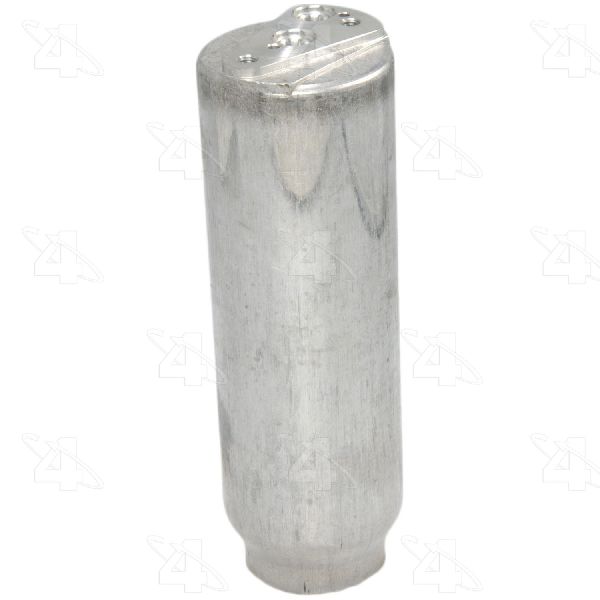
Contains XH-7 or equivalent desiccant. Typically includes a sight glass. Inlet and outlet fittings are female O-ring type. Body diameter is approximately 60mm.
We Have This Part in Stock

The information in this article is provided for general reference and educational purposes only. Vehicle specifications, procedures, and part compatibility can vary by production date, trim level, and region. Always consult your vehicle's factory service manual and verify part numbers before purchasing or performing repairs. Safety-critical components such as airbags, seat belts, and braking systems should be installed by a qualified professional.
- Toyota 4Runner:
- 🎬 Helpful Videos
- 🛍️ Shop This Part
- Is Your 4Runner's A/C Showing Its Age?
- Symptoms of a Bad A/C Receiver Drier
- Choosing the Right Aftermarket Receiver Drier
- Aftermarket Brand Quality Tiers
- A Note on Refrigerant: R12 vs. R134a
- Known Issues, Recalls, or TSBs
- Frequently Asked Questions (FAQ)
- 🎟️ Get 5% Off