

Choosing the Right Aftermarket Spark Plugs for a 1989-1994 Dodge B150
Keep your classic Dodge van running smoothly with the correct spark plugs for its V6 or V8 engine.
- For the 1989-1994 B150, standard copper-core spark plugs from brands like Champion or NGK are highly recommended over more expensive platinum or iridium types.
- Always verify the spark plug gap is set to 0.035 inches before installation, as an incorrect gap is a common cause of performance issues.
- Symptoms of failure include rough idle, poor gas mileage, hesitation, and difficulty starting.
- Replacing spark plugs is a manageable DIY task, though access to the rear plugs on V8 models can be challenging.
Signs of Failing Spark Plugs
Worn-out spark plugs can cause a number of noticeable problems in your Dodge B150. Because these vans have simpler engine management systems than modern vehicles, the effects of a bad plug can be very obvious. You might notice one or more of the following issues:
- Rough Idle: The engine may shake or vibrate more than usual when you're stopped.
- Engine Misfires: You might feel a hesitation or stumble from the engine while driving, sometimes accompanied by a sputtering sound.
- Poor Fuel Economy: If you're filling up the gas tank more often, worn plugs could be a cause. Inefficient combustion wastes fuel.
- Difficulty Starting: Weak or fouled plugs can make it harder for the engine to fire up, especially when cold.
- Reduced Power and Acceleration: Your van may feel sluggish or slow to respond when you press the gas pedal.
Check Engine Light
While many 1989-1994 B150s are pre-OBD-II, later models might trigger a check engine light for a severe misfire. Common codes related to spark plug issues include P0300 (Random Misfire) or P0301-P0308, which indicate a misfire in a specific cylinder.
Choosing the Right Aftermarket Spark Plugs
For a 1989-1994 Dodge B150, you don't need to buy expensive, high-tech spark plugs. The ignition systems in these vans were designed for standard copper-core plugs, and they often perform best with them. Many owners and mechanics report that fancy platinum or iridium plugs don't offer much benefit and can sometimes cause issues. Here’s a breakdown of common brands:
Tier 1: Recommended / OEM-Style
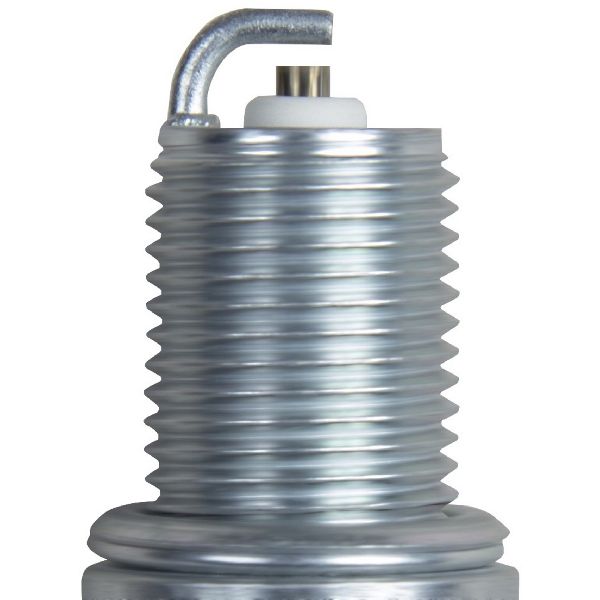
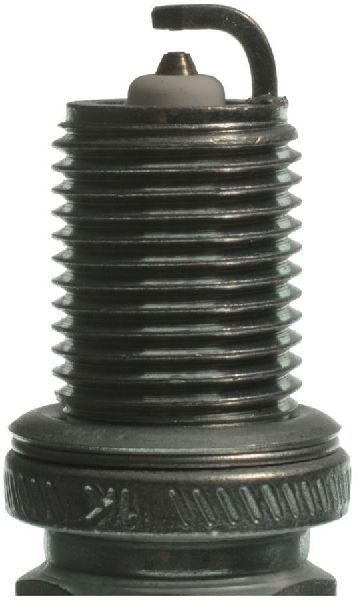
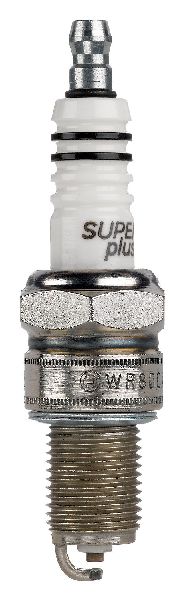
- Champion (Copper Plus): Champion was a very common original equipment (OE) supplier for Chrysler vehicles of this era. A standard Champion copper plug, like the RC12YC for the V8 engines, is often the best and most reliable choice. They are inexpensive and perform exactly as the engine was designed.
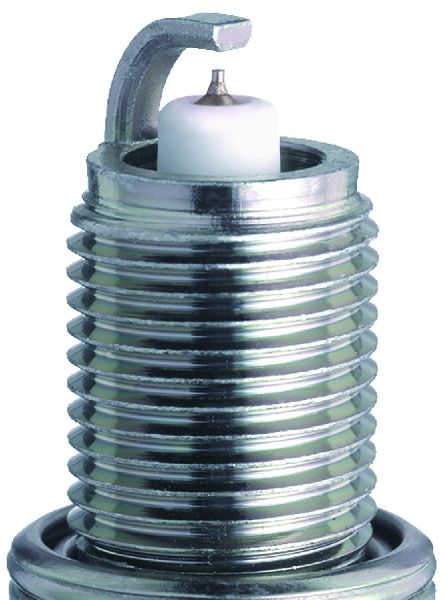
- NGK (V-Power): NGK copper plugs are another excellent choice and a favorite among many mechanics and Dodge owners. They are known for their quality and reliable performance in these engines.
- Autolite (Copper Resistor): Similar to Champion and NGK, Autolite copper plugs are a dependable, budget-friendly option that works very well with the B150's ignition system.
Tier 2: Potential Upgrades
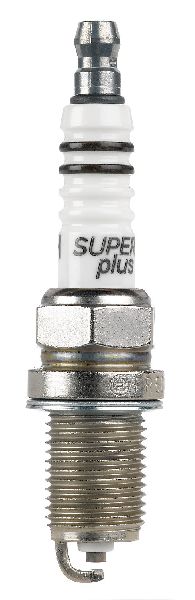
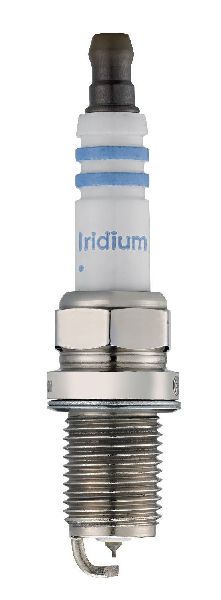
- Denso / Bosch / NGK (Platinum or Iridium): While available, these plugs are often unnecessary for this vehicle. They are designed to last longer than copper plugs, but the ignition system isn't designed to take full advantage of them. Some owners use them without issue, but many prefer to stick with copper and change them more frequently.
Tier 3: Performance/Specialty
- Accel: This brand is more focused on performance applications. Unless your van's engine is heavily modified, these are likely not necessary for a daily driver.
Pro Tip: Check the Gap!
No matter which brand you choose, always check the spark plug gap before installation. Even pre-gapped plugs can be knocked out of spec during shipping. The correct gap for most B150 engines is 0.035 inches, but always confirm with your vehicle's under-hood emissions sticker or a reliable service manual. An incorrect gap can cause misfires and poor performance.
Cost Comparison for Spark Plug Replacement
| Category | Price Range (Per Set of 6 or 8) | Notes |
|---|---|---|
| New Aftermarket (Copper) | $15 - $40 | Most recommended option. Includes brands like Champion, NGK, and Autolite. |
| New Aftermarket (Platinum/Iridium) | $40 - $100+ | Longer life but not always better performance for this van. |
| Shop Labor | $100 - $250 | Varies by shop rate and engine. Some plugs on V8 models can be difficult to access. |
Frequently Asked Questions (FAQ)
How often should I replace the spark plugs on my B150?
If you use standard copper plugs, a good interval is every 30,000 miles. This ensures a strong spark and helps you monitor engine health. While platinum or iridium plugs can last longer, sticking to a 30,000-mile interval with affordable copper plugs is a great maintenance strategy for these vans.
Should I use anti-seize on the new spark plug threads?
This is a debated topic. Some plug manufacturers like NGK advise against it because their plug coatings already have anti-seizing properties. If you do use it, apply only a very small amount to the threads, avoiding the electrode completely. Over-torquing can occur when using anti-seize, potentially damaging the cylinder head.
What's the difference between a bad spark plug and a bad spark plug wire?
The symptoms can be identical, including a rough idle or misfire. When you replace your spark plugs, it's a good time to inspect the spark plug wires for cracks, burns, or corrosion. If the wires are original or very old, it's wise to replace them along with the plugs as a set for best results.
Is it hard to change the spark plugs myself?
For most people, this is a very DIY-friendly job. The difficulty is generally low, but accessing the rear spark plugs, especially on V8 models, can be tight due to the engine cover (doghouse) inside the van. You will need a basic ratchet set with extensions and a specific spark plug socket.
Technical Specifications
OEM Part Numbers: 5221596 56027275 SP0RC12YC
Spark Plug Gap: 0.035 in (0.89 mm) Engine Options: 3.9L V6, 5.2L V8, 5.9L V8
We Have This Part in Stock

The information in this article is provided for general reference and educational purposes only. Vehicle specifications, procedures, and part compatibility can vary by production date, trim level, and region. Always consult your vehicle's factory service manual and verify part numbers before purchasing or performing repairs. Safety-critical components such as airbags, seat belts, and braking systems should be installed by a qualified professional.
- Dodge B150: