

A Practical Guide to the 1989-1994 Dodge B250 Van Radiator
Keep your classic Dodge van's engine cool and prevent costly failures by choosing the right replacement radiator.
- A failed radiator can destroy your transmission if the internal cooler leaks, making it critical to not use the cheapest part available.
- Overheating is the most common symptom, often caused by leaks, clogs, or a bad fan clutch.
- CSF is a reputable aftermarket brand, while Spectra is a mixed-bag economy option and APDI has significant negative reviews.
- Always replace the radiator cap and inspect hoses and the thermostat when installing a new radiator.
Signs of a Failing Radiator in Your Dodge B250
A failing radiator on a heavy vehicle like the B250 is a serious issue. If you notice any of these signs, it's time to inspect your cooling system immediately.
- Engine Overheating: The most obvious sign. If your temperature gauge climbs into the red, especially under load or in traffic, your radiator may not be dissipating heat effectively.
- Visible Coolant Leaks: Puddles of sweet-smelling green, orange, or pink fluid under the front of your van are a clear indication of a leak. Leaks can come from the radiator itself, which may have cracks in the plastic tanks or corrosion on the core.
- Low Coolant Levels: Frequently needing to top off your coolant reservoir suggests a leak somewhere in the system.
- "Milky" Transmission Fluid: This is a critical warning sign. The radiator in your B250 has a built-in cooler for the automatic transmission fluid. If this internal cooler fails, coolant and transmission fluid can mix. This will quickly destroy your transmission, leading to a much more expensive repair.
- Visible Radiator Damage: Look for bent or clogged fins on the radiator's surface, which reduce airflow. Also, check for rust and corrosion, especially where the plastic side tanks are crimped to the aluminum core.
Check Related Parts During Replacement
A radiator failure can be caused by or contribute to other issues. When replacing your radiator, it's wise to also inspect or replace the thermostat, radiator cap, and all coolant hoses. Also, check the radiator fan clutch to ensure it engages properly.
Choosing the Right Aftermarket Radiator
With original Mopar parts for this van being largely discontinued, the aftermarket is your primary source. However, quality varies significantly between brands. Choosing the wrong one can lead to poor fitment, leaks, and even catastrophic transmission failure.
Brand Quality Tiers
Based on owner experiences and mechanic reviews, aftermarket brands for your B250 can be grouped into tiers:
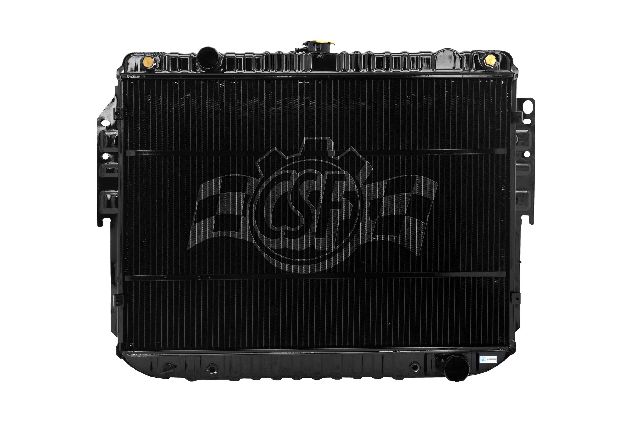
- Standard/Premium Aftermarket (Recommended): Brands like CSF Radiator are generally considered to be higher-quality aftermarket options. They often focus on matching the original equipment (OE) fit and performance, using robust materials and manufacturing processes. While they cost more than budget options, they provide better reliability and peace of mind.
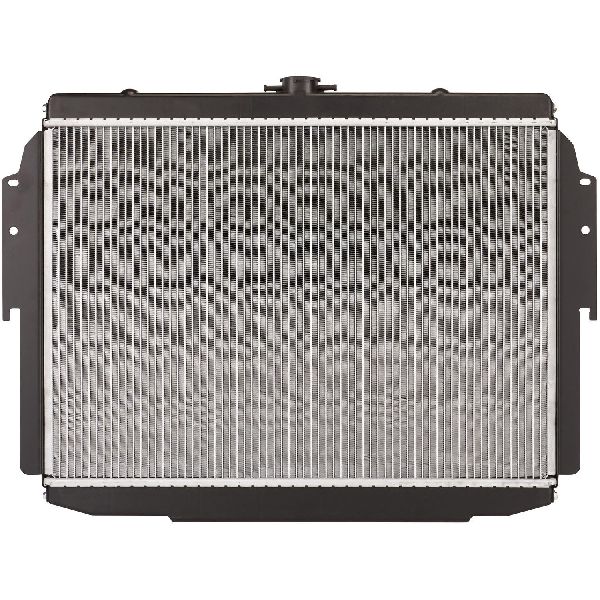
- Economy Aftermarket: Spectra falls into this category. Reviews are mixed; some owners report good results for the price, while many others have experienced quality control issues like leaks, poor fitment, and internal transmission cooler failures right out of the box. If you choose an economy brand, inspect it carefully before installation and be aware of the potential risks.
- Budget/Unknown Brands: Brands like APDI have a poor reputation among vehicle owners, with frequent complaints about incorrect fittings, low-quality materials, and immediate leaks. It is strongly advised to avoid the cheapest options, as a failed radiator can cause thousands of dollars in engine or transmission damage. Brands like One Stop Solutions have little to no public review data, making their quality an unknown risk.
Pro Tip: Plastic/Aluminum vs. Copper/Brass
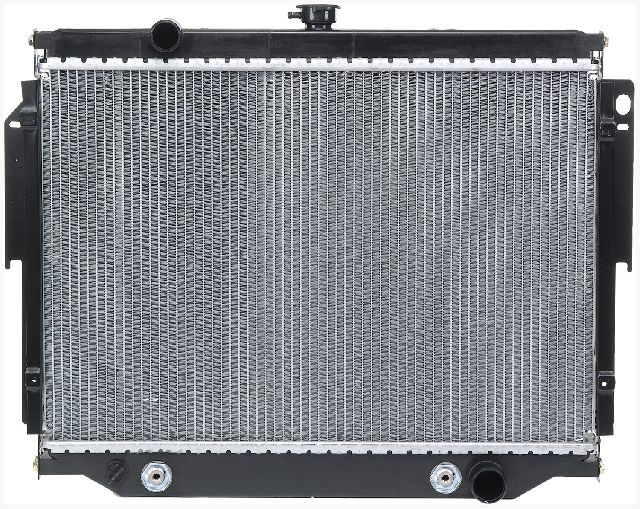
Most modern aftermarket radiators use plastic tanks crimped onto an aluminum core. This is the industry standard and offers good performance. While older radiators were made of copper and brass, new aftermarket copper/brass units are often made with very thin materials and are prone to premature failure. A quality plastic and aluminum unit is generally the more reliable choice today.
Estimated Costs for Radiator Replacement
The total cost will depend on the brand you choose and local labor rates. This job is possible for a skilled DIYer, but tight access in the van's engine bay can make it challenging.
| Part / Service | Estimated Cost |
|---|---|
| New Aftermarket Radiator | $150 - $462 |
| Shop Labor | $250 - $500 |
| Total Estimated Cost | $400 - $962 |
Frequently Asked Questions
Do I have to replace my radiator cap?
Yes. The radiator cap is a critical part that maintains pressure in the cooling system. A faulty cap can cause overheating or allow coolant to boil over. It's an inexpensive part and should always be replaced with the radiator.
What is the risk of buying the cheapest radiator available?
The biggest risk is an internal failure of the transmission cooler, which can mix coolant with your transmission fluid and destroy the transmission. Other risks include leaks from poor quality seals, incorrect hose or line fittings, and reduced cooling efficiency that leads to engine overheating.
What kind of coolant should I use in my 1989-1994 B250?
For this era of vehicle, a conventional "green" Inorganic Additive Technology (IAT) coolant is typically specified. Always mix it 50/50 with distilled water. Using the wrong type of coolant can lead to corrosion and damage to your new radiator.
Were there any recalls for the Dodge B250 radiator?
No, there are no official recalls or widespread Technical Service Bulletins (TSBs) from Dodge or the NHTSA for the radiator on the 1989-1994 B250. Any issues are related to age and general wear and tear.
Technical Specifications
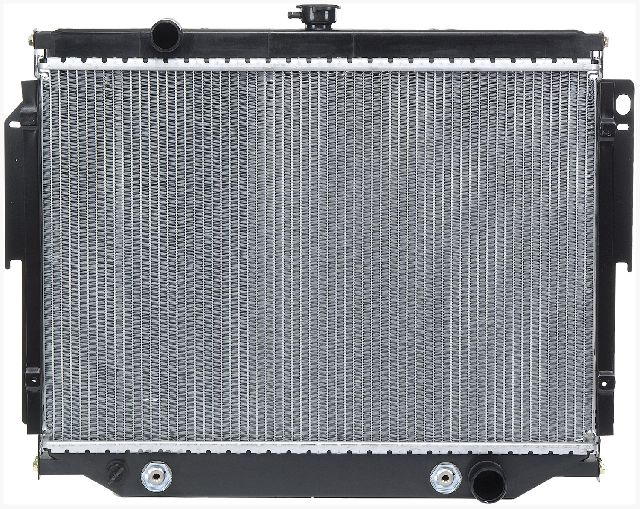
The radiator for the Dodge B250 is typically a crossflow design made with plastic end tanks and an aluminum core. It includes an integrated automatic transmission fluid cooler with fittings for the cooler lines. Core size and thickness can vary, so verifying fitment for your specific engine (5.2L or 5.9L V8) is essential.
We Have This Part in Stock


The information in this article is provided for general reference and educational purposes only. Vehicle specifications, procedures, and part compatibility can vary by production date, trim level, and region. Always consult your vehicle's factory service manual and verify part numbers before purchasing or performing repairs. Safety-critical components such as airbags, seat belts, and braking systems should be installed by a qualified professional.
- Dodge B250: