

1989-1994 Dodge Caravan Oxygen Sensor: A Complete Replacement Guide
Fix poor gas mileage and a rough idle by choosing the right oxygen sensor for your Dodge Caravan.
- Your 1989-1994 Caravan has only one upstream oxygen sensor.
- A bad O2 sensor will trigger OBD-I Code 21, causing poor MPG and a rough idle.
- For best results and longevity, choose a direct-fit sensor from Denso or NGK (NTK).
- Replacement requires a special O2 sensor socket and the old sensor may be seized with rust.
Is Your Caravan's Oxygen Sensor Failing?
A failing oxygen sensor can cause noticeable problems with how your van drives. Because these vehicles use an older diagnostic system called OBD-I, you won't see the typical 'P' codes you might find on newer cars. Instead, you might get a 'Check Engine' light and need to check for codes using the 'key dance' method (cycling the key ON-OFF-ON-OFF-ON).
Common Symptoms of a Bad O2 Sensor:
- Poor Fuel Economy: One of the most common signs. Your engine's computer gets bad data and can't create the right fuel mixture, often running too rich.
- Rough Idle or Stalling: The engine may run unevenly or stall when you come to a stop because the air-fuel mixture is unstable.
- Engine Hesitation: You might feel a lag or stumble when you try to accelerate.
- Check Engine Light: For this generation of Caravan, a bad oxygen sensor will typically trigger Code 21.
Don't Ignore the Signs
While you can drive with a bad O2 sensor, it's not recommended for long. Consistently poor fuel mixture can lead to carbon buildup and may eventually damage your catalytic converter, which is a much more expensive repair.
Choosing the Right Aftermarket Oxygen Sensor
For a vehicle of this age, new OEM Mopar parts are likely discontinued, making aftermarket the go-to option. Quality can vary, so it's important to choose a reliable brand. Based on owner feedback and mechanic recommendations, aftermarket brands for this Dodge fall into a few tiers.
Tier 1: OEM-Quality Replacements
These brands are widely regarded as meeting or exceeding original factory specifications. They are the top choice for reliability and performance.
- Denso: Often an original equipment manufacturer for many car brands, Denso sensors are known for their durability and precise operation. Many Dodge owners prefer them.
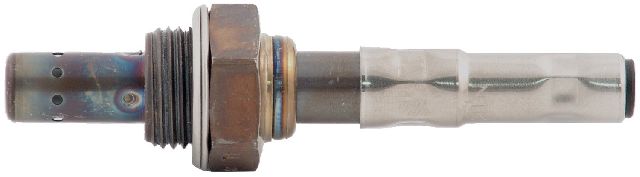
- NGK / NTK: NTK is the sensor division of NGK. They are another top-tier choice, frequently cited as being the original equipment brand for Chrysler vehicles of this era.
Tier 2: Trusted Aftermarket Brands
These brands offer a good balance of quality and value. They are reliable choices from well-established companies.
- Bosch: A huge name in auto parts, Bosch makes quality sensors. Some forum users have noted that on certain Dodge trucks, aftermarket Bosch sensors may have different warm-up characteristics than the original part, but they are generally a solid choice.
- Delphi: Another major OEM supplier, Delphi produces dependable aftermarket parts that are a safe bet for your Caravan.
Tier 3: Budget-Friendly Options
These brands provide a functional replacement at a lower price point, which can be a good option for budget-conscious repairs.
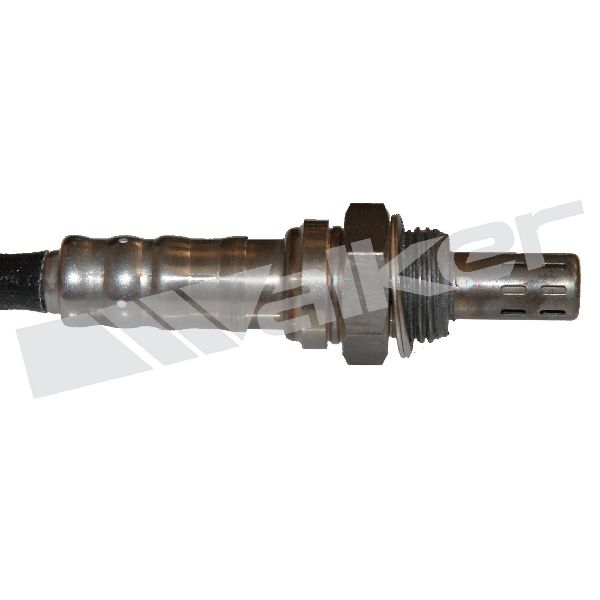
- Walker Products: A known name in exhaust and emission components, offering cost-effective solutions.
- DriveWire: A value-focused brand for those needing to get their van back on the road without a large investment.
Pro Tip: Use a Direct-Fit Sensor
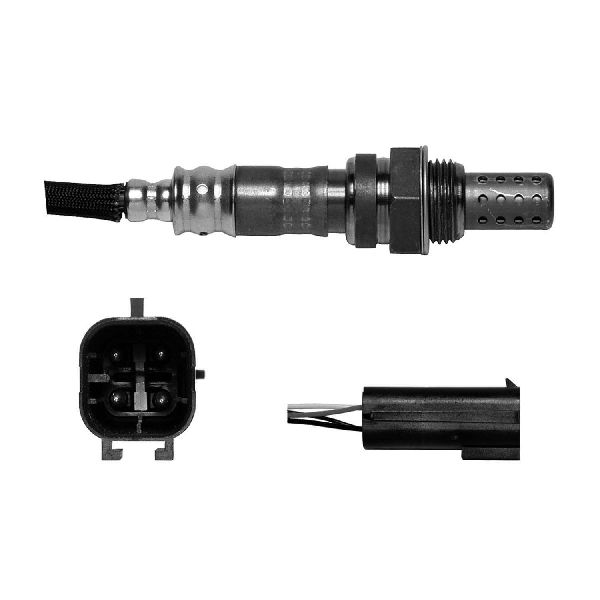
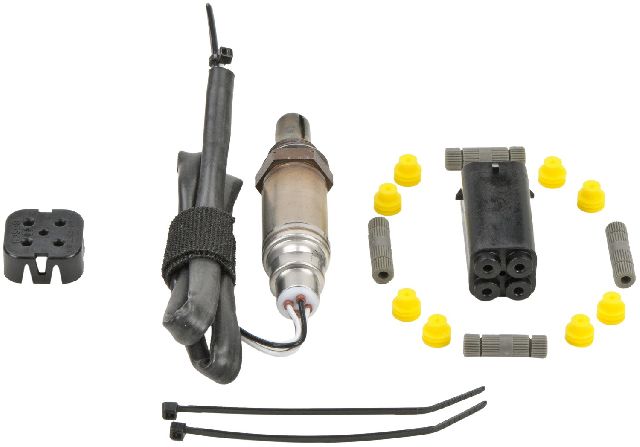
Always choose a 'direct-fit' or 'OE-style' sensor. These come with the correct electrical connector for your van's wiring harness. Avoid 'universal' sensors that require you to cut and splice wires, as this can create a point of failure, especially in the harsh environment of the engine bay.
How Much Does an O2 Sensor Replacement Cost?
The total cost depends on whether you do the job yourself or take it to a shop. The part itself is affordable, and labor is usually minimal unless the old sensor is seized.
| Item | Estimated Cost |
|---|---|
| New Aftermarket Oxygen Sensor | $46.18 - $85.17 |
| Shop Labor | $61 - $89 |
| Total Estimated Cost (at a shop) | $107 - $175 |
Frequently Asked Questions
How many oxygen sensors does my 1989-1994 Caravan have?
Your Caravan from this generation has only one oxygen sensor. It is an 'upstream' sensor located in the exhaust manifold, before the catalytic converter. Downstream sensors became standard on vehicles in 1996 with the introduction of OBD-II.
Where is the oxygen sensor located?
The sensor is screwed into the exhaust manifold or the exhaust pipe very close to the engine. Its location can vary slightly depending on whether you have the 2.5L, 3.0L, or 3.3L engine, but it will always be upstream of the catalytic converter.
Is this a difficult part to replace myself?
The replacement can be easy, but it can also be very difficult. The sensor often gets seized in the exhaust pipe due to years of heat and rust. You will need a special oxygen sensor socket to fit over the wire and plenty of penetrating oil. Sometimes, heating the exhaust bung with a torch is required to break it free.
What is OBD-I Code 21?
Code 21 is the fault code for the oxygen sensor circuit on Chrysler vehicles from this era. It means the computer is not receiving a proper signal from the sensor, indicating it may have failed or there is a wiring issue.
Technical Specifications
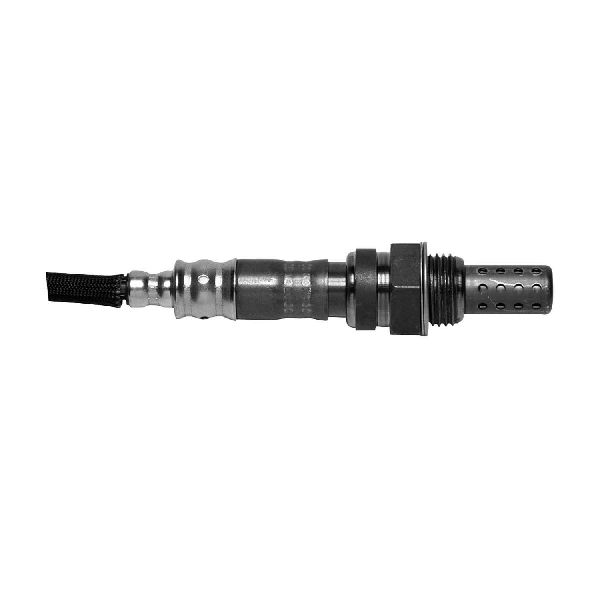
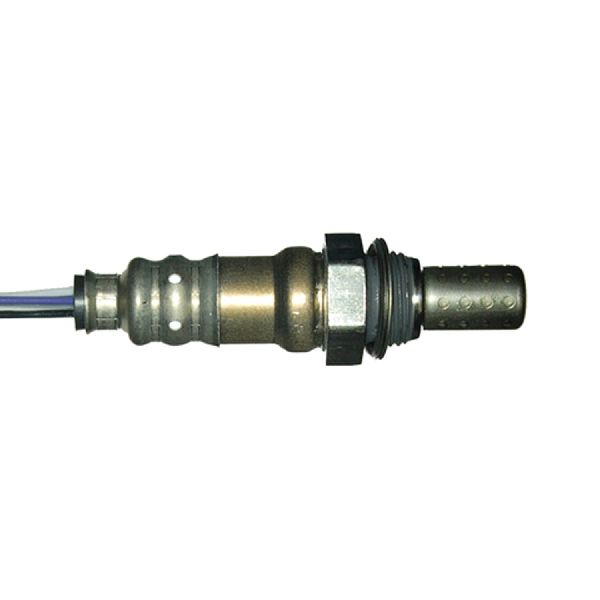
Your van uses a single, upstream, heated, 4-wire oxygen sensor. Common high-quality aftermarket part numbers include Denso 234-4004 and NGK 23023. Always confirm fitment for your specific engine (2.5L, 3.0L, or 3.3L) before purchasing.
We Have This Part in Stock

The information in this article is provided for general reference and educational purposes only. Vehicle specifications, procedures, and part compatibility can vary by production date, trim level, and region. Always consult your vehicle's factory service manual and verify part numbers before purchasing or performing repairs. Safety-critical components such as airbags, seat belts, and braking systems should be installed by a qualified professional.
- Dodge Caravan:
- 🛍️ Shop This Part
- Is Your Caravan's Oxygen Sensor Failing?
- Common Symptoms of a Bad O2 Sensor:
- Don't Ignore the Signs
- Choosing the Right Aftermarket Oxygen Sensor
- Tier 1: OEM-Quality Replacements
- Tier 2: Trusted Aftermarket Brands
- Tier 3: Budget-Friendly Options
- Pro Tip: Use a Direct-Fit Sensor
- How Much Does an O2 Sensor Replacement Cost?
- Frequently Asked Questions
- 🎟️ Get 5% Off