

Ford Ranger Crankshaft Position Sensor: A Guide for 1989-1994 Models
If your Ranger is stalling or won't start, the crankshaft position sensor is a likely culprit.
- A no-start condition or sudden stalling are the most critical symptoms of a bad crankshaft sensor.
- Replacement on V6 engines is straightforward, but the 2.3L I4 engine presents a much more difficult installation.
- While OEM Motorcraft is recommended, quality aftermarket brands like Holstein or Spectra offer a reliable, cost-effective alternative.
- There are no known recalls for this part on 1989-1994 Rangers, so repair costs will not be covered by the manufacturer.
Understanding Crankshaft Sensor Failure in Your Ranger

The crankshaft position sensor on the 1989-1994 Ford Ranger is a common failure point, especially on high-mileage trucks. Due to its location near the front of the engine, it's exposed to heat, dirt, and moisture, which can cause it to degrade over time. When this sensor starts to fail, it can send weak, erratic, or no signal at all to the engine computer, leading to a variety of frustrating and sometimes dangerous symptoms. A complete failure will prevent the engine from starting, leaving you stranded.
Critical Part Warning
A failing crankshaft position sensor can cause your engine to stall unexpectedly while driving. This is a serious safety risk, especially in traffic or at high speeds. It is not recommended to drive with known symptoms of a bad crank sensor.
Symptoms of a Failing Crankshaft Position Sensor

If your Ranger is experiencing any of the following issues, a faulty crankshaft position sensor could be the cause:
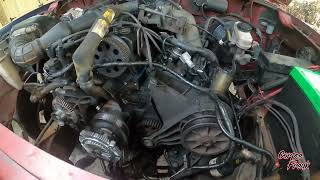
- No-Start Condition: The engine cranks over but will not start. This is the most common symptom 🎬 Watch this diagnostic guide for fixing a crank-no-start condition. of a completely failed sensor.
- Intermittent Stalling: The engine shuts off unexpectedly while driving or idling, sometimes for no apparent reason. It may start back up after cooling down.
- Rough Idle and Misfires: The engine may run unevenly, shake, or misfire because the computer is miscalculating spark and fuel timing.
- Poor Acceleration: You might notice sluggish performance or a lack of power when you press the gas pedal.
- Check Engine Light: A faulty sensor will often trigger the Check Engine Light, though not always, especially on these older models.
- Reduced Fuel Economy: Inefficient engine timing caused by a bad sensor can lead to burning more fuel than necessary.
Choosing the Right Aftermarket Sensor

When it comes to critical electronic sensors, quality matters. While OEM Motorcraft is the benchmark, several aftermarket brands offer viable alternatives. It's generally wise to avoid the absolute cheapest, unbranded options, as sensor quality can be inconsistent.
Here's a general breakdown of your options:
- OEM (Motorcraft): This is the original part your truck came with. It offers the highest likelihood of perfect fit and function but comes at the highest price.
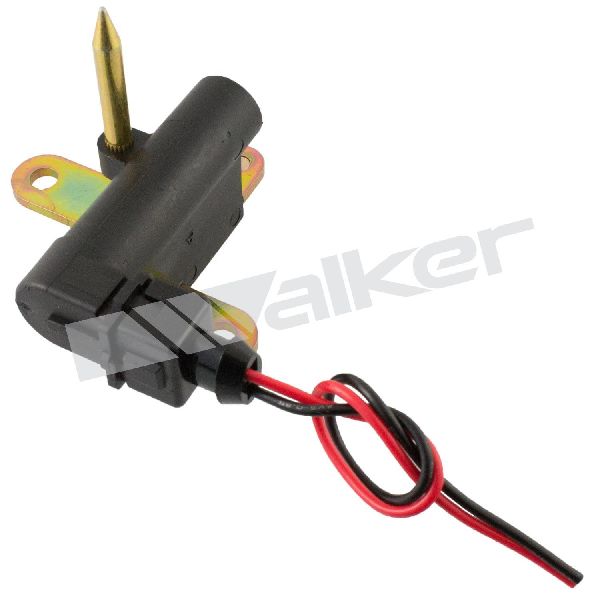
- Premium Aftermarket (e.g., Holstein, Spectra, Walker Products): These brands are established in the aftermarket and generally offer good quality that often meets or exceeds OEM specifications. They provide a good balance of price and reliability.
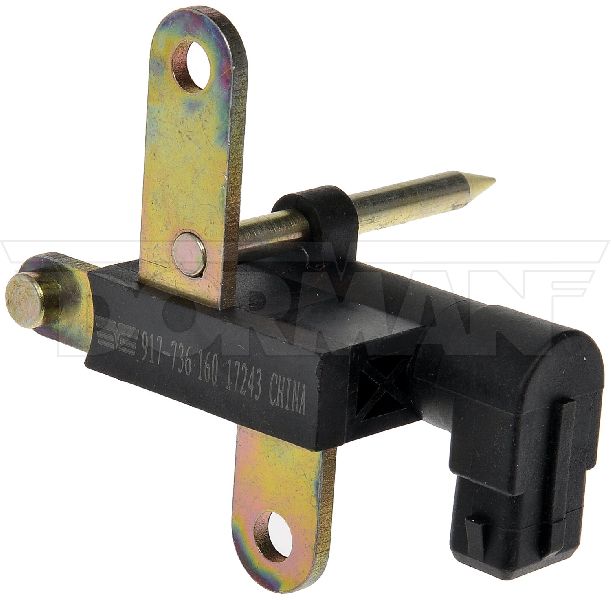
- Standard/Economy Aftermarket (e.g., Dorman, Global Parts): These parts are more budget-friendly. While Dorman is known for creating solutions for common OEM failures, quality on electronic parts can sometimes be mixed. These can be a good option if budget is the primary concern, but be aware that their lifespan might not match that of a premium or OEM part.
Pro Tip: Check the Part Number
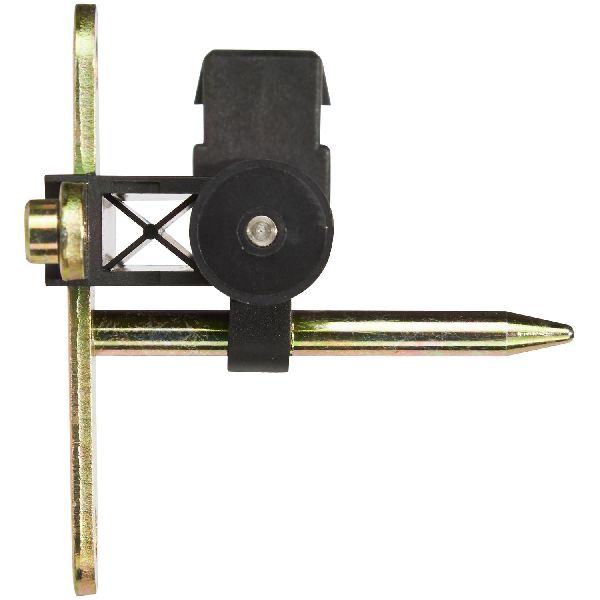
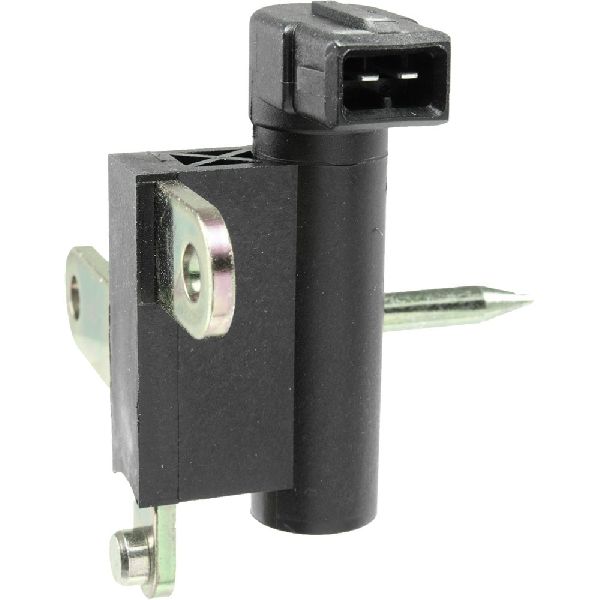
The 1989-1994 model years saw changes in engine and sensor types, especially for the 2.3L engine. Always verify the part number and match the new sensor to the old one visually before installation to avoid compatibility issues.
| Part Type | Cost Range |
|---|---|
| New Aftermarket Sensor | $34.95 - $120.47 |
| Shop Labor | $75 - $150 |
Frequently Asked Questions

Where is the crankshaft position sensor located on my 1989-1994 Ranger?
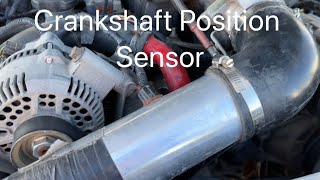
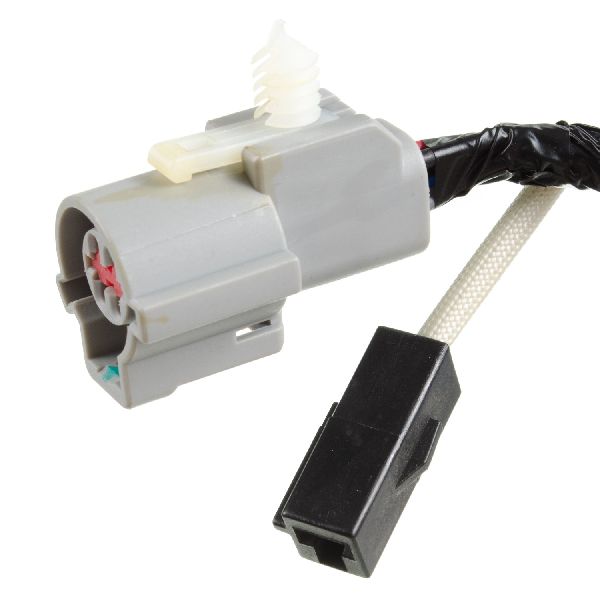
The sensor is located on the front of the engine, behind the main crankshaft pulley. Depending on the engine (2.3L, 2.9L, 3.0L, or 4.0L), access may be tight. On some 2.3L models, replacement can be complex, potentially requiring removal of the timing belt cover and de-pinning the electrical connector to fish it through the housing.
🎬 Watch this detailed replacement guide for the complex 2.3L sensor.Is this a difficult part to replace myself?
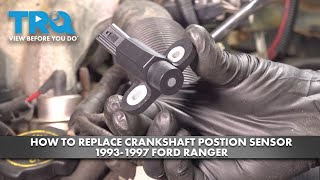
For V6 models (2.9L, 3.0L, 4.0L), the replacement is relatively straightforward, requiring basic hand tools and about an hour of work. 🎬 See this walkthrough for replacing the sensor on 4.0L engines. It's held by two bolts. For the 2.3L engine, the job is more involved and can be difficult due to the sensor's wiring harness routing behind the timing cover. This may require special procedures like de-pinning the connector.
Are there any recalls for this part?
A search of the National Highway Traffic Safety Administration (NHTSA) database did not show any specific recalls for the crankshaft position sensor on 1989-1994 Ford Rangers. Recalls found were for much newer models or different issues.
Do I need to do anything special after installing the new sensor?
For most models, it's a direct replacement. However, some sensors come with a plastic alignment tool or spacer. It's crucial to use this tool if provided to ensure the correct air gap between the sensor and the crankshaft pulley's tone ring. After installation, it's a good practice to disconnect the battery for a few minutes to clear any stored fault codes in the ECU.
Helpful Videos

Technical Specifications
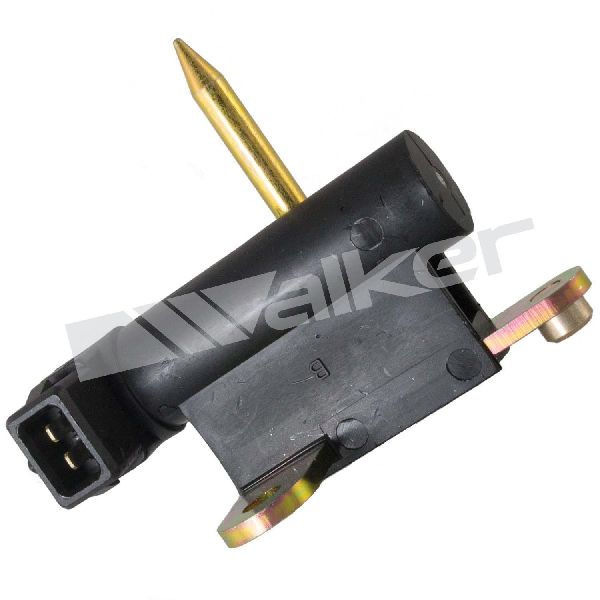
OEM Part Numbers: F0TZ6C315B F0TZ6C315C F0TZ6C351A ZZM018370 ZZM067082
The 1989-1994 2.3L engines use a Hall Effect sensor, while later models switched to a Variable Reluctance (VR) type; they are not interchangeable. The sensor reads a tone wheel on the crankshaft to determine engine speed and position. It is typically a two or three-wire sensor with a bolt-on mounting style.
We Have This Part in Stock

The information in this article is provided for general reference and educational purposes only. Vehicle specifications, procedures, and part compatibility can vary by production date, trim level, and region. Always consult your vehicle's factory service manual and verify part numbers before purchasing or performing repairs. Safety-critical components such as airbags, seat belts, and braking systems should be installed by a qualified professional.
- Ford Ranger: