

Mitsubishi Montero Oxygen Sensor Guide for 1989-1994 Models
Restore your Montero's fuel economy and performance by choosing the right replacement oxygen sensor.
- A bad O2 sensor will trigger a Check Engine Light and hurt your fuel economy.
- For best results, choose a direct-fit sensor from Denso or NGK (NTK), as they are likely the original equipment suppliers.
- Replacing the sensor is a manageable DIY job, but the old sensor may be difficult to remove due to rust.
- There are no recalls for this part; failures are due to normal wear and tear over time.
Is Your Montero's Oxygen Sensor Failing?
A bad oxygen sensor can cause several noticeable problems. Because the sensor is a key part of how the engine manages fuel, a faulty one often leads to poor engine performance and a lit Check Engine Light. Ignoring these symptoms can lead to reduced fuel economy and potentially damage other components like the catalytic converter over time.
Symptoms of a Bad Oxygen Sensor
Key Failure Signs
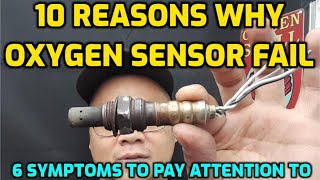
- Check Engine Light: This is the most common sign. Specific codes related to the O2 sensor (like P0130, P0134, etc.) 🎬 Learn how to fix P0134 and P0154 codes on a Montero. will be stored in the computer.
- Poor Fuel Economy: If the sensor provides a bad reading, the engine computer might enrich the fuel mixture, causing you to use more gas than necessary.
- Rough Idle or Misfires: An incorrect air-fuel mixture can cause the engine to run rough, stumble, or hesitate during acceleration.
- Engine Bogging Down: Some owners report that after a few minutes of running, the engine will bog down or almost stall before recovering.
Choosing the Right Aftermarket Oxygen Sensor
For a 1989-1994 Montero, you don't necessarily need to buy the most expensive sensor from a dealership. Many aftermarket brands offer excellent quality, and some are even the original equipment (OEM) suppliers for Mitsubishi. It's generally recommended to stick with known Japanese or German brands for best results on a Mitsubishi.
Brand Quality Tiers
- Top Tier (OEM or Equivalent): Denso and NGK (NTK) are often the original suppliers for Mitsubishi and other Japanese vehicles. Choosing one of these brands is the closest you can get to the original part's performance and longevity. They are manufactured to strict OE standards.
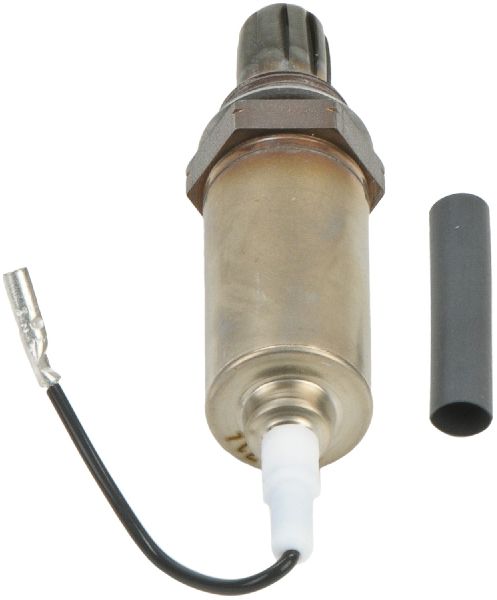
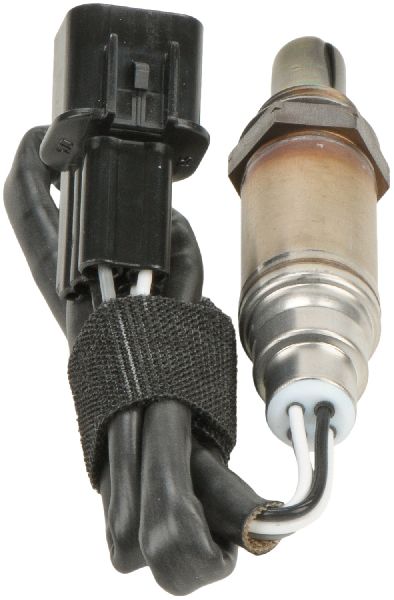
- Quality Aftermarket: Bosch is a well-respected German brand that produces high-quality sensors. While some mechanics have strong preferences, Bosch sensors are generally considered a reliable choice and may be more readily available.
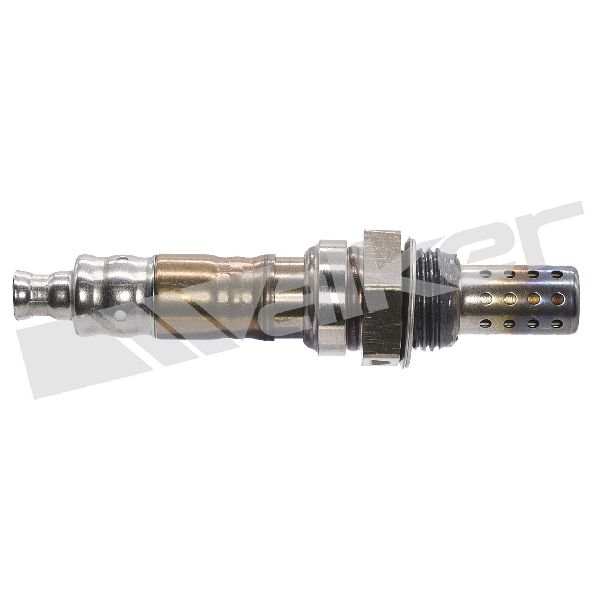
- Budget-Friendly: Brands like Walker Products, Spectra, and Delphi offer a more affordable option. While they can perform correctly, some forum members have noted that they might not have the same lifespan as top-tier brands. For an older vehicle, they can be a cost-effective solution to get it running right.
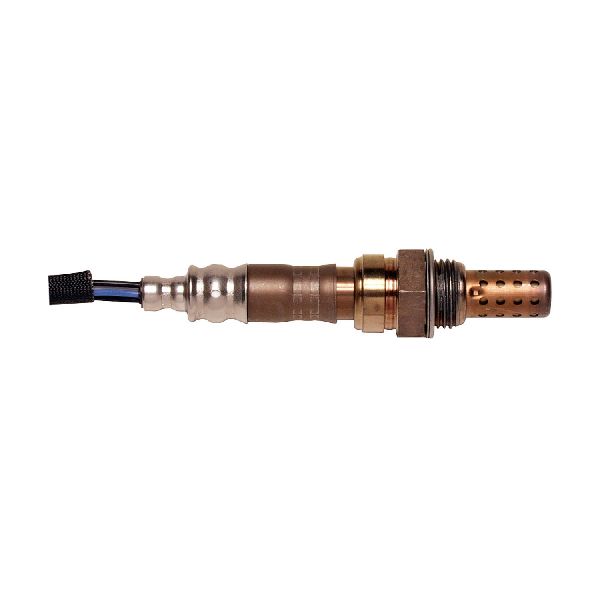
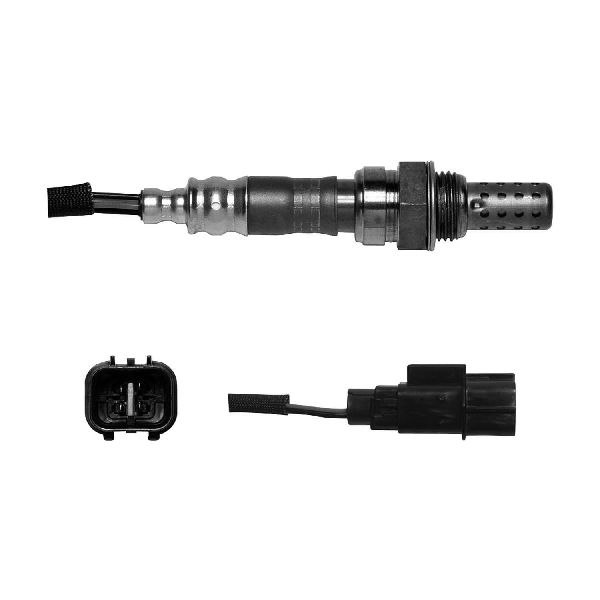
Pro Tip: For this generation of Montero, it's best to buy a "direct-fit" sensor. These come with the correct electrical connector already attached, so you don't have to cut and splice any wires. This makes installation much easier and more reliable.
Replacement Cost
The cost to replace an oxygen sensor on your Montero can vary based on the brand you choose and whether you do the work yourself.
| Item | Estimated Cost |
|---|---|
| New Aftermarket Sensor | $25 - $150 |
| Shop Labor | $80 - $150 |
| Total Professional Replacement | $105 - $300 |
Frequently Asked Questions
How many oxygen sensors does a 1989-1994 Montero have?
Most Monteros from this era have one or two oxygen sensors. They are located "upstream" of the catalytic converter, meaning they are in the exhaust manifold or the pipe just after it. Unlike newer vehicles, they typically do not have "downstream" sensors after the converter.
Where is the oxygen sensor located?
The sensor is screwed directly into the exhaust system. On V6 models, there will be one for each side (bank) of the engine. You will need to get under the vehicle to access them. Following the exhaust manifold down from the engine is the easiest way to find them.
Can I replace the oxygen sensor myself?
Yes, this is a DIY-friendly job for most home mechanics. The main challenge is often the sensor being seized or rusted into the exhaust pipe due to age and heat cycles. Using a special oxygen sensor socket and letting penetrating oil soak overnight can make removal much easier.
Should I use anti-seize on the new sensor's threads?
Yes. Most new oxygen sensors come with a small packet of anti-seize compound already applied to the threads or included in the box. This prevents the new sensor from getting stuck in the future. Be careful not to get any of the anti-seize compound on the sensor tip itself.
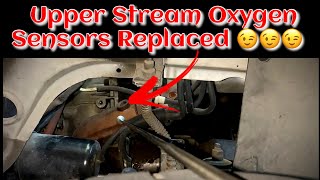
🎬 Watch this video for a step-by-step oxygen sensor replacement guide.Are there any recalls for the oxygen sensor on my Montero?
No, there are no specific recalls or technical service bulletins (TSBs) from the NHTSA related to the oxygen sensors for the 1989-1994 Mitsubishi Montero. Any issues you experience are likely due to the age and mileage of the part.
Helpful Videos
Technical Specifications
OEM Part Numbers: MD143142 MD143479 MD184219
The 1989-1994 Montero typically uses one or two heated, 4-wire, upstream oxygen sensors with a direct-fit connector. The specific sensor depends on the engine (2.6L L4 or 3.0L V6) and model year.
We Have This Part in Stock


The information in this article is provided for general reference and educational purposes only. Vehicle specifications, procedures, and part compatibility can vary by production date, trim level, and region. Always consult your vehicle's factory service manual and verify part numbers before purchasing or performing repairs. Safety-critical components such as airbags, seat belts, and braking systems should be installed by a qualified professional.
- Mitsubishi Montero: