

Nissan Maxima Engine Coolant Temperature Sensor Guide (1989-1994)
Fix poor fuel economy and rough idling in your J30 Maxima by understanding this critical engine sensor.
- A bad ECTS on a 1989-1994 Maxima will cause poor performance and trigger ECU Code 13.
- You must replace the TWO-wire sensor for the ECU, not the one-wire sender for the gauge, to fix running issues.
- Symptoms include terrible gas mileage, black smoke, rough idle, and cooling fan problems.
- Replacement is a fast, easy, and inexpensive DIY job for most owners.
Is Your Maxima Running Rough? Check the ECTS.
If your 1989-1994 Maxima is suddenly getting terrible gas mileage, idling poorly, or blowing black smoke, a faulty Engine Coolant Temperature Sensor (ECTS) is a likely culprit. This sensor directly tells the Engine Control Unit (ECU) how to manage the engine. When it fails, the ECU often defaults to a 'cold engine' setting, dumping extra fuel and causing a host of driveability problems. This is a common failure point on older vehicles, but it's fortunately inexpensive and easy to fix.
Order the Right Part: 2-Wire vs. 1-Wire Sensor
Your Maxima has two coolant temperature sensors in the same area. It is crucial to identify the correct one.
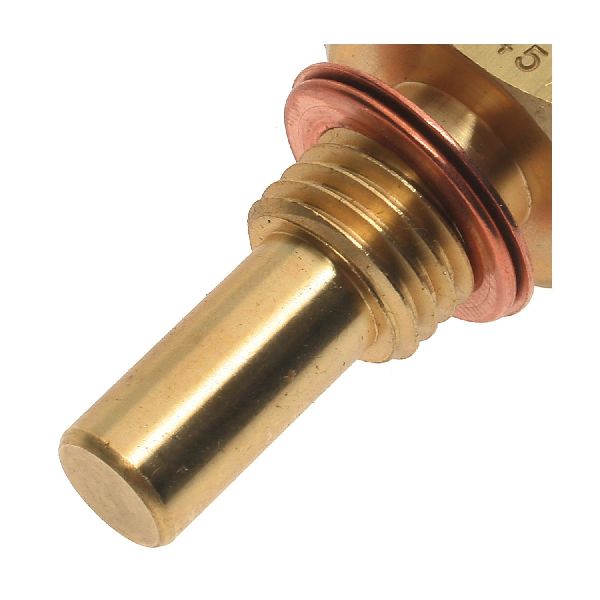
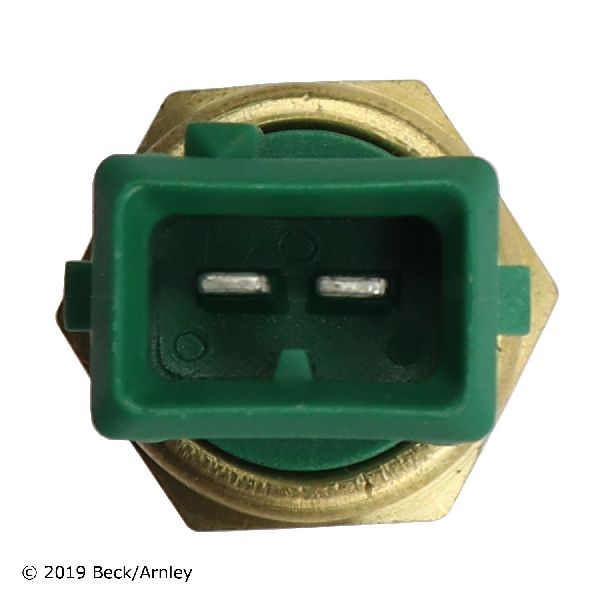
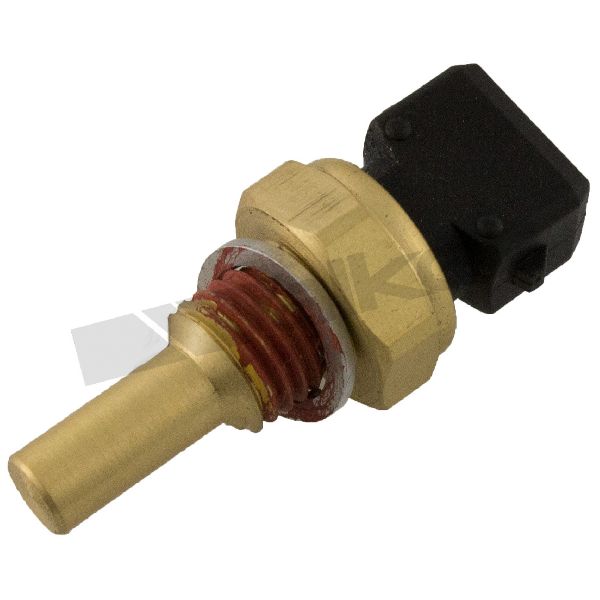
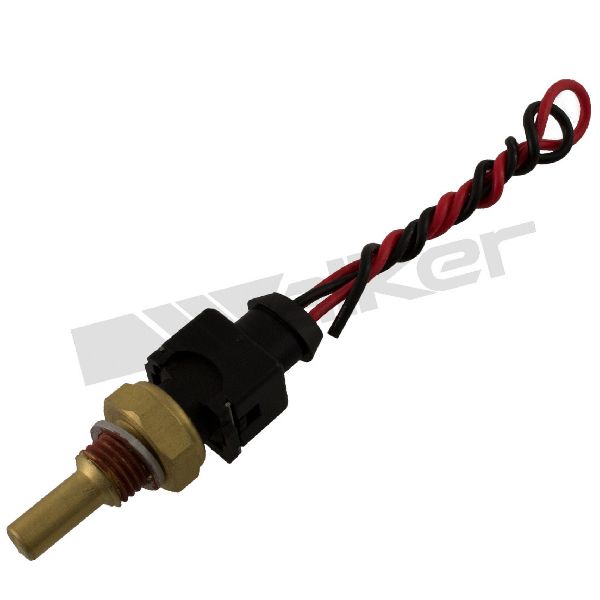
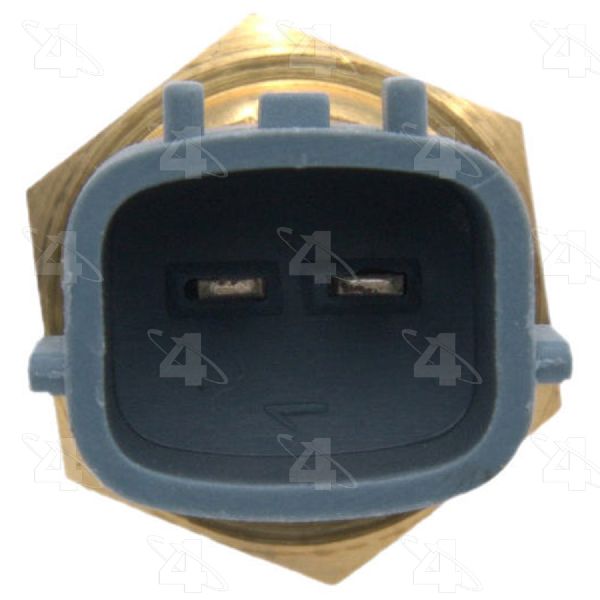
- Engine Coolant Temperature Sensor (for the ECU): This is the part you likely need to fix performance issues. It has a rectangular plastic connector with two wires.
- Temperature Sender (for the Gauge): This part only controls the needle on your dashboard temperature gauge. It has a simple spade connector with only one wire.
Before ordering, visually inspect your engine to confirm which sensor you are replacing. This guide focuses on the two-wire ECTS for the ECU.
Common Symptoms of a Failing ECTS
- Check Engine Light: On these OBD-I vehicles, a failing ECTS will typically trigger ECU Fault Code 13.
- Horrible Fuel Economy: The most common symptom. The ECU thinks the engine is always cold and provides a rich fuel mixture, drastically reducing your MPG.
- Black Smoke from Exhaust: Unburned fuel from the excessively rich mixture is burned in the exhaust, creating visible black smoke.
- Rough Idle and Stalling: The engine may struggle to idle smoothly, hunt for idle, or stall, especially right after starting.
- Cooling Fans Run Constantly: As a fail-safe, the ECU may run the cooling fans at full speed continuously because it cannot get an accurate temperature reading.
- Hard Starting: The engine may be difficult to start, whether hot or cold, due to the incorrect fuel mixture.
Choosing the Right Aftermarket Sensor
While an OEM sensor from Nissan is an option, many aftermarket brands offer a good balance of quality and price. However, quality can vary significantly. Using a poor-quality sensor may result in it failing quickly or being inaccurate right out of the box.
Brand Quality Tiers
- Premium Aftermarket (Recommended): Brands like NGK/NTK and Standard Ignition's primary line (not their 'T-Series') have a strong reputation for producing sensors that meet or exceed OEM specifications. Denso is also a top-tier OEM supplier if you find a compatible part.
- Standard Aftermarket: Brands such as Beck Arnley, Hella, and Walker Products can be a good value. Beck Arnley often repackages OEM parts, but their sourcing can be inconsistent. These are generally reliable for most daily drivers.
- Economy Aftermarket: Brands like URO Parts or Standard Ignition's budget 'T-Series' are the most affordable but have a higher risk of premature failure or inaccurate readings. Consider these only for temporary fixes or if budget is the absolute primary concern.
| Part Type | Estimated Cost |
|---|---|
| New Aftermarket | $10 - $40 |
| New OEM (Nissan) | $40 - $70 |
| Shop Labor | $50 - $100 |
Pro Tip: Easy DIY Replacement
Replacing this sensor is a very simple DIY job that usually takes less than 30 minutes. The sensor is located on a coolant pipe near where the upper radiator hose connects to the engine. Simply unplug the electrical connector, use a deep socket wrench to unscrew the old sensor, and quickly screw the new one in. A small amount of coolant will leak out, so have the new sensor ready to minimize loss. Top off the coolant afterward.
Frequently Asked Questions
Where is the Engine Coolant Temperature Sensor located on a 1989-1994 Maxima?
Follow the large upper radiator hose from the radiator to the engine. Where it connects, look nearby for two sensors screwed into the coolant housing. The ECTS for the ECU is the one with the two-wire electrical connector.
Will a bad ECTS cause my car to overheat?
It can, but indirectly. If the sensor fails in a way that it doesn't tell the ECU the engine is hot, the cooling fans may not turn on when they should. Conversely, if the sensor fails 'hot', it may cause the fans to run all the time.
Are there any recalls for the Maxima ECTS?
No. Searches of the National Highway Traffic Safety Administration (NHTSA) database show no recalls for the engine coolant temperature sensor on the 1989-1994 Nissan Maxima.
What is ECU Code 13?
Code 13 is the diagnostic trouble code for the Engine Coolant Temperature Sensor circuit on this generation of Nissan. It means the ECU has detected a problem with the sensor's signal, which could be a bad sensor, a wiring issue, or a poor connection.
Technical Specifications
OEM Part Numbers: 22630-51E02
This is the sensor with the 2-pin/2-wire electrical connector that provides data to the ECU. It is distinct from the 1-wire temperature sender for the dashboard gauge.
We Have This Part in Stock


The information in this article is provided for general reference and educational purposes only. Vehicle specifications, procedures, and part compatibility can vary by production date, trim level, and region. Always consult your vehicle's factory service manual and verify part numbers before purchasing or performing repairs. Safety-critical components such as airbags, seat belts, and braking systems should be installed by a qualified professional.
- Nissan Maxima: