

Pontiac Firebird Crankshaft Position Sensor Guide (1989-1994)
Solving stalling and no-start problems in your 1989-1994 Pontiac Firebird starts with understanding the crankshaft position sensor.
- Verify your engine first; this part is only for 1993-1994 V6 and 1994 LT1 V8 models in this year range.
- A failing sensor can cause dangerous engine stalling, hard starting, and poor performance.
- Replacement is simple (one bolt) but requires safely accessing the area under the car behind the main pulley.
- For LT1 engines, enthusiasts recommend premium aftermarket (NGK, Standard) or OEM (ACDelco) parts for best reliability.
Is This Part on My Firebird?
Before buying, it's important to know if your Firebird actually uses a crankshaft position sensor. The 1989-1994 year range covers two different Firebird generations with multiple engines.
- 1993-1994 Firebird (3.4L V6 & 5.7L LT1 V8): Yes, these models are equipped with a crankshaft position sensor. On the LT1 V8, the sensor is primarily used for misfire detection, while the Optispark distributor handles the main ignition timing.
- 1989-1992 Firebird (V8 & most V6 engines): No, these models typically do not have a crankshaft position sensor. They rely on the distributor for ignition signals. Some parts catalogs may incorrectly list a sensor for these years, so always verify your specific engine needs before purchasing.
Symptoms of a Failing Crankshaft Sensor
When the crank sensor starts to fail, it sends incorrect or no signal to the engine computer, leading to noticeable problems. Because it can cause the engine to stall, this is a part you should replace as soon as you confirm it's faulty.
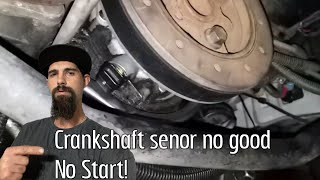
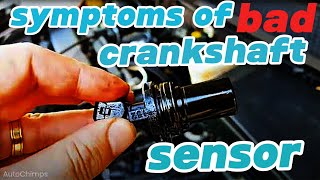
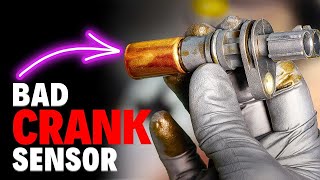
🎬 See a detailed breakdown of common bad crank sensor symptoms.- Engine Won't Start: The engine cranks but refuses to start. This happens because the computer doesn't know the crankshaft is turning and won't trigger spark or fuel.
- Intermittent Stalling: The engine may shut off unexpectedly while driving or idling. This is a serious safety concern.
- Poor Performance: You might experience rough idling, engine misfires, hesitation during acceleration, and reduced power.
- Check Engine Light: A failing sensor will often trigger the Check Engine Light. On these OBD-I vehicles, you might see codes like 36 or 82.
- Reduced Fuel Economy: Inefficient timing for fuel and spark can cause your gas mileage to drop.
Safety First: The Risk of Stalling
A failing crankshaft sensor can cause your engine to stall at any time, including at high speeds or in traffic. If you are experiencing intermittent stalling, it is highly recommended to diagnose and repair the issue promptly to avoid a dangerous situation.
Choosing the Right Aftermarket Sensor
For a critical part like this, quality matters. While many aftermarket options are available, they can be grouped into different quality tiers.
- Premium Aftermarket (NGK/NTK, Standard Ignition): These brands are often original equipment (OE) suppliers for many automakers and have a strong reputation for quality and reliability. They are engineered to meet or exceed OE specifications and are a trusted choice for many mechanics.
- Standard Aftermarket (Walker Products, Global Parts, True Tech): These brands offer a good balance of value and quality. They are designed as direct OE replacements and undergo testing to ensure proper fit and function. They are a solid choice for a daily driver repair.
- Economy Brands: While the lowest price can be tempting, economy-tier sensors may have a higher failure rate. For a part that can leave you stranded, spending a little more for a reputable brand is often a wise investment.
A Note on LT1 Engines
Owners of LT1-powered Firebirds are often very particular about engine electronics. Many enthusiasts in forums strongly recommend using high-quality parts from brands like ACDelco (GM's Original Equipment) or premium aftermarket suppliers like NGK for any ignition-related sensor to ensure maximum reliability and avoid hard-to-diagnose issues.
| Part Type | Estimated Cost |
|---|---|
| New Aftermarket | $16.43 - $87.07 |
| New OEM (ACDelco) | $70 - $120 |
| Shop Labor | $90 - $180 |
Frequently Asked Questions (FAQ)
Where is the crankshaft sensor located on a 1994 Firebird LT1?
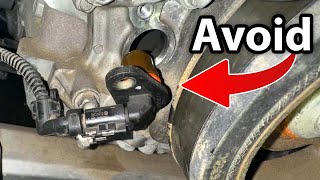
The sensor is located on the lower driver's side of the engine, mounted in the timing cover just behind the main crankshaft pulley 🎬 Watch this video to see the exact sensor location on a Firebird. (harmonic balancer). It is held in by a single 8mm bolt and is accessed from underneath the car.
Can I replace this sensor myself? 🎬 Watch this step-by-step walkthrough for replacing an LT1 crank sensor.
Yes, this is a DIY-feasible job for those comfortable with safely jacking up the vehicle and working underneath it. The replacement involves removing one bolt and an electrical connector. Always use jack stands for safety. Applying a little clean engine oil to the new sensor's O-ring can make installation easier.
What are the OBD1 codes for a bad crank sensor on a 1994 Firebird?
Common OBD-I trouble codes related to the crankshaft position sensor circuit on these GM vehicles include Code 36 (24x Crankshaft position sensor circuit error) and Code 82 or 83 (3x Crankshaft position sensor circuit error).
Does the new sensor need to be reset or relearned?
On these OBD-I systems, a specific 'relearn' procedure with a scan tool is not typically required like on newer OBD-II cars. After installation, the computer will adapt to the new sensor's signal during normal operation. Disconnecting the battery for 15 minutes during the repair will reset the computer's learned values.
Helpful Videos

Technical Specifications
OEM Part Numbers: 10456146 10456162 213-219
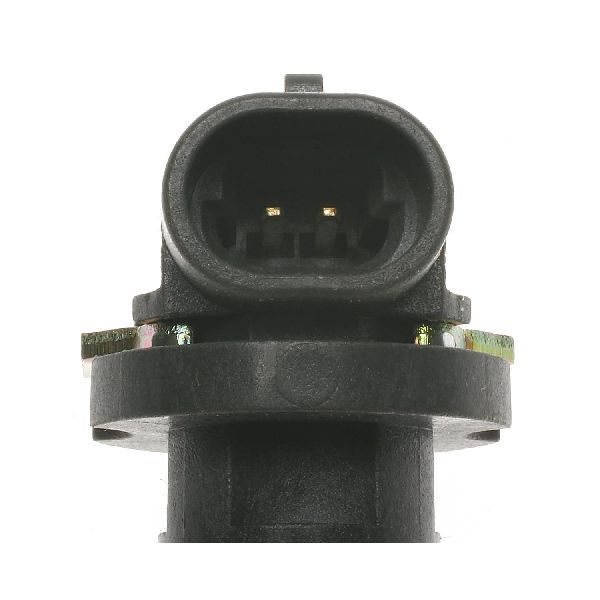
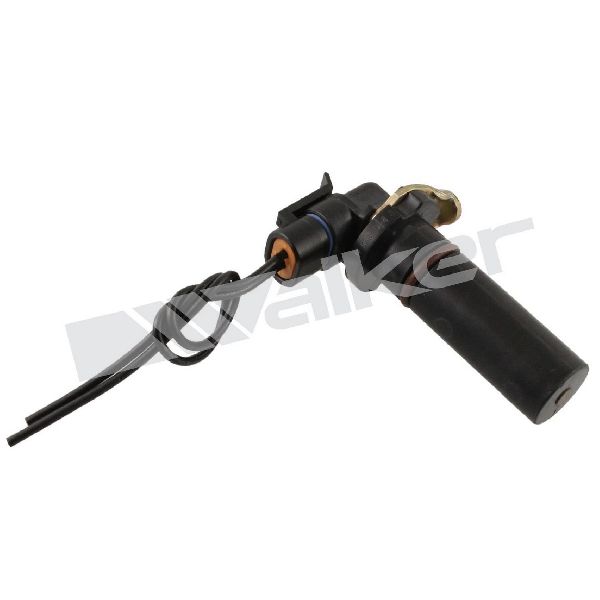
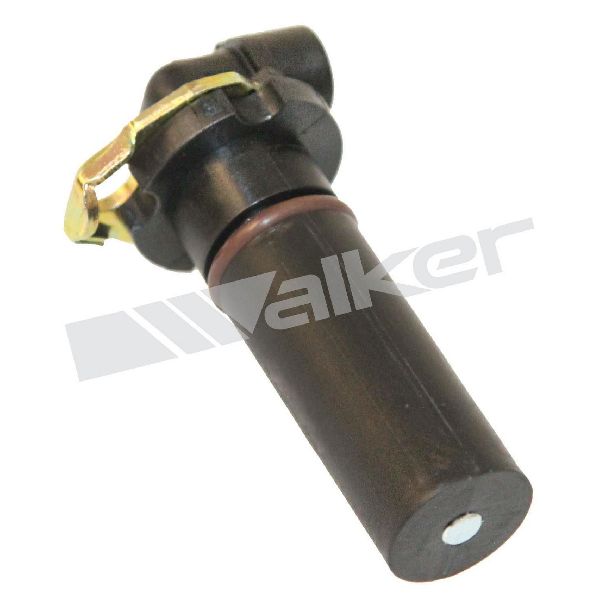
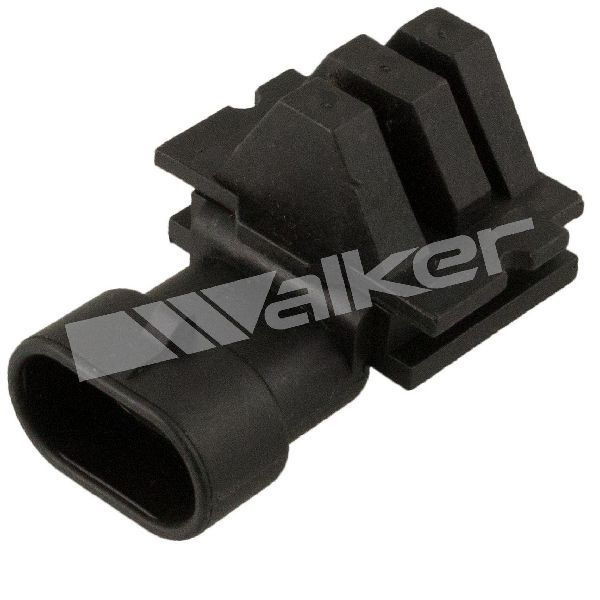
Typically a 2-terminal Hall Effect sensor with an O-ring seal.
We Have This Part in Stock


The information in this article is provided for general reference and educational purposes only. Vehicle specifications, procedures, and part compatibility can vary by production date, trim level, and region. Always consult your vehicle's factory service manual and verify part numbers before purchasing or performing repairs. Safety-critical components such as airbags, seat belts, and braking systems should be installed by a qualified professional.
- Pontiac Firebird: