

Engine Timing Belt Guide for the 1989-1995 Chrysler LeBaron
Protect your LeBaron's engine by understanding this critical replacement job.
- If you have the 3.0L V6, you have an interference engine; a broken timing belt will destroy the engine.
- The recommended replacement interval is every 60,000-90,000 miles or 5-7 years, whichever comes first.
- Always replace the belt, tensioner, and water pump (on V6) as a complete kit from a quality brand like Gates, Continental, or Mitsuboshi.
- The 2.2L and 2.5L 4-cylinder engines are non-interference, making a belt failure less catastrophic but still leaving you stranded.
Understanding Your LeBaron's Engine Timing Belt


The timing belt is one of the most important maintenance items on your 1989-1995 Chrysler LeBaron. Whether you have a 4-cylinder or the V6, your engine uses a rubber belt to keep its internal parts moving in perfect harmony. Because this belt is a wear item, it requires replacement at regular intervals to prevent catastrophic engine failure.
Interference vs. Non-Interference Engines: A Critical Distinction
A key factor for LeBaron owners is understanding which engine you have and what happens if the belt breaks.
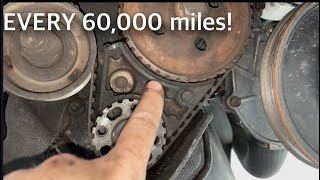
- 2.2L & 2.5L 4-Cylinder: These are non-interference engines. This is good news. If the timing belt breaks, the engine will stop running, but the pistons and valves will not collide. The repair typically involves installing a new belt and re-timing the engine. 🎬 Watch: Step-by-step timing belt replacement for 2.2L and 2.5L engines.
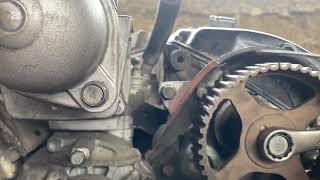
- 3.0L V6 (Mitsubishi 6G72): This is an interference engine. If the timing belt breaks, the pistons will slam into the open valves, causing severe and expensive internal damage, likely destroying the engine. For V6 owners, replacing the timing belt on schedule is not optional—it's essential protection against a massive repair bill. 🎬 See this walkthrough for installing a 3.0L V6 timing belt.
Choosing the Right Aftermarket Timing Belt Kit

For a vehicle of this age, high-quality aftermarket parts are the standard. OEM parts are likely discontinued or difficult to find. Reputable aftermarket brands often meet or exceed the original specifications. When you buy, always purchase a complete kit.
A complete timing belt kit should include the belt, a tensioner, and any idler pulleys. For the 3.0L V6, the water pump is also driven by the timing belt and should always be replaced at the same time. The labor to access the pump is the same, so replacing it is cheap insurance against having to do the job twice.
Aftermarket Brand Quality Tiers
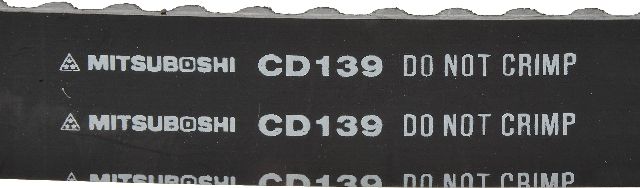
- Premium Brands (Recommended for 3.0L V6): Gates, Continental, Mitsuboshi, Bando. These brands are often original equipment suppliers to many automakers and are trusted by professional mechanics. Mitsuboshi and Bando are excellent choices, especially for the Mitsubishi-made V6. Kits from these brands provide the highest level of reliability.
- Standard, Reliable Brands: Dayco, Cloyes. These are well-known, reputable brands that offer a good balance of quality and value. They are a solid choice for both the 4-cylinder and V6 engines for normal driving.
- Economy Brands: Crown Automotive, un-branded parts. While budget-friendly, the timing belt is not the place to cut corners, especially on the 3.0L V6. The risk of premature failure and catastrophic engine damage outweighs the small initial savings. It is best to stick with a well-known, trusted brand.
| Component/Service | Estimated Cost |
|---|---|
| New Aftermarket Timing Belt Kit | $13.33 - $56.24 |
| Shop Labor | $451 - $662 |
| Total Professional Replacement | $652 - $932 |
Frequently Asked Questions (FAQ)

What is the timing belt replacement interval for a 1989-1995 LeBaron?
The generally accepted replacement interval for these vehicles is every 60,000 to 90,000 miles, or every 5-7 years, whichever comes first. Due to the age of the rubber, the time interval is just as important as the mileage.
Should I replace the water pump with the timing belt?
Yes, absolutely, especially on the 3.0L V6 where the water pump is driven by the timing belt. The water pump is a wear item, and its bearing can fail, which would damage your new belt and cause overheating. Since the labor to get to it is the same, it is standard practice to replace it at the same time.
Can I tell if my timing belt is going bad?
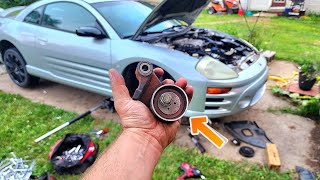
Often, a timing belt will fail without warning. However, sometimes you might hear a ticking or rattling noise from the front of the engine, which could be a sign of a failing tensioner or a loose belt. 🎬 Important: Learn about secondary timing belt tensioner issues on V6 engines. You may also experience poor engine performance or see the Check Engine Light. Do not rely on a visual inspection, as a belt can look fine but be internally weakened.
Is this a good DIY job?
For the experienced home mechanic, yes. The 4-cylinder engines are simpler. The 3.0L V6 is more complex. The job requires specific tools to set tension, and it is critical that the timing marks are aligned perfectly. For most owners, this job is best left to a professional mechanic due to the risk of engine damage if done incorrectly.
Helpful Videos
Technical Specifications
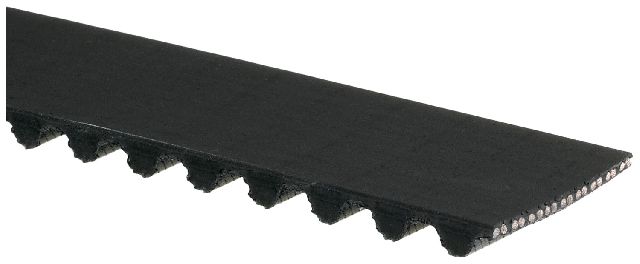
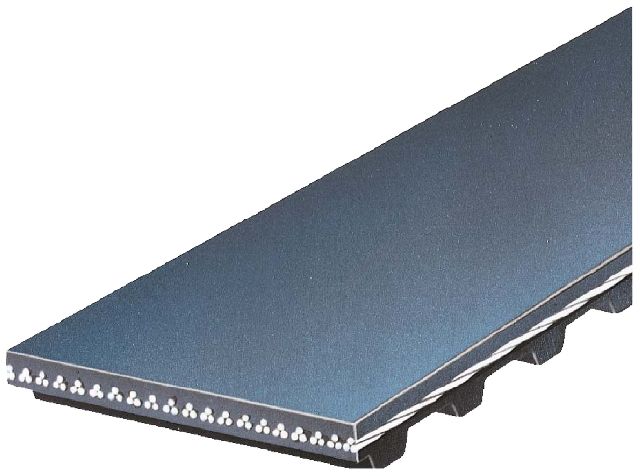
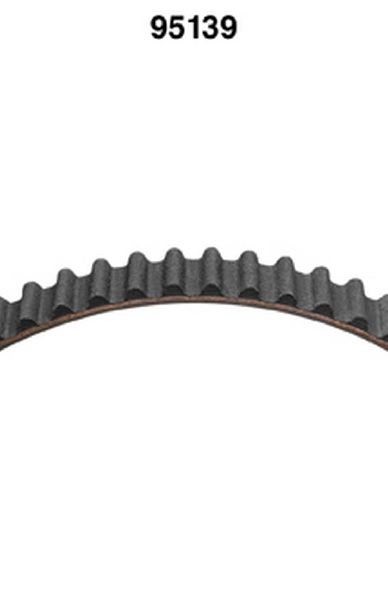
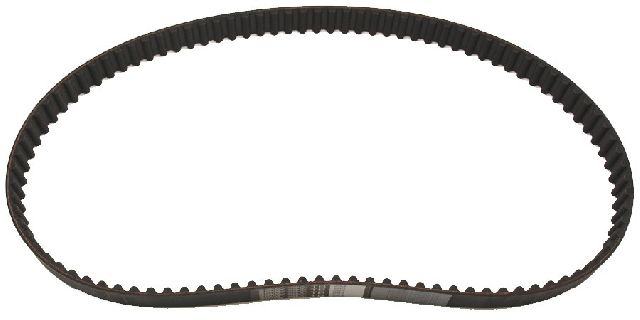
This vehicle generation uses a toothed rubber timing belt. Engine options include the Chrysler 2.2L I4, 2.5L I4, and the Mitsubishi 3.0L 6G72 V6. The 2.2L and 2.5L are non-interference designs, while the 3.0L V6 is an interference design.
We Have This Part in Stock

The information in this article is provided for general reference and educational purposes only. Vehicle specifications, procedures, and part compatibility can vary by production date, trim level, and region. Always consult your vehicle's factory service manual and verify part numbers before purchasing or performing repairs. Safety-critical components such as airbags, seat belts, and braking systems should be installed by a qualified professional.
- Chrysler LeBaron: