

Dodge Spirit Throttle Position Sensor (TPS) Guide for 1989-1995 Models
Address stalling, poor acceleration, and erratic shifting in your Dodge Spirit by understanding and choosing the right replacement TPS.
- A failing TPS directly causes poor automatic transmission performance in the Dodge Spirit, a key vehicle-specific symptom.
- Replacement is a very simple DIY task, requiring only basic tools and less than an hour of your time.
- Choosing a reputable aftermarket brand like Delphi or Standard Ignition is recommended over budget options for long-term reliability.
- Common symptoms include hesitation, erratic idle, stalling, and a Check Engine Light with codes P0121, P0122, or P0123.
Is Your Dodge Spirit Hesitating or Stalling? It Could Be the TPS.
If your 1989-1995 Dodge Spirit is experiencing drivability issues like engine hesitation, rough idling, or unpredictable automatic shifting, a failing Throttle Position Sensor (TPS) is a likely culprit. This sensor is a key part of the engine management system, and when it wears out, it sends incorrect signals to your vehicle's computers, leading to a variety of problems. Because this is a simple potentiometer that wears out over time, replacement is a common repair for these vehicles.
Vehicle-Specific Shifting Problems
On the 1989-1995 Dodge Spirit, a bad TPS signal directly affects the automatic transmission. The transmission control module may default to a 'limp mode' where shifts are based only on vehicle speed, not engine load. This can cause harsh, poorly timed shifts and a failure to downshift when you press the gas.
Symptoms of a Failing Throttle Position Sensor
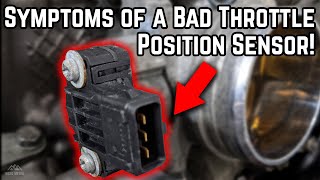
- Hesitation or Stumbling: The car may bog down or jerk when you try to accelerate.
- Rough or High Idle: The engine may idle erratically, too fast, or surge up and down.
- Engine Stalling: The engine might die unexpectedly when you come to a stop or let off the gas.
- Poor Fuel Economy: The computer receives bad data, leading to an inefficient air-fuel mixture and wasted gas.
- Check Engine Light: A failing TPS will often trigger the check engine light and store diagnostic trouble codes like P0121, P0122, or P0123.
Choosing the Right Aftermarket TPS Brand
With original Mopar parts for the Spirit likely discontinued, the aftermarket is your only source for a new TPS. Quality varies significantly between brands, so choosing the right one is important for a lasting repair.
| Brand Tier | Brands | Quality & Cost Assessment |
|---|---|---|
| Best (OE-Quality Aftermarket) | Delphi, NGK | Delphi is a well-respected Original Equipment (OE) manufacturer for many car brands. Their sensors are known for reliability and are built to meet or exceed factory standards. NGK is another top-tier brand known for quality electronics. These are your best bet for a long-term, reliable repair. |
| Better (Mid-Grade) | Standard Ignition (SMP), Walker Products | These brands offer a good balance of quality and price. Standard Ignition is a long-standing aftermarket company with a solid reputation. Walker Products is an ISO-certified manufacturer that produces reliable sensors. These are dependable choices for most owners. |
| Good (Value/Economy) | Replacement, True Tech, Global Parts | These brands offer the lowest price point. While functional, forum discussions and general mechanic experience suggest that budget sensors can have a shorter lifespan. They can be a good option if you're on a tight budget or plan to sell the vehicle soon, but may not be the most durable long-term solution. |
A Simple DIY Replacement
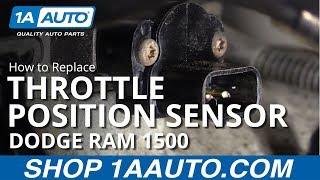
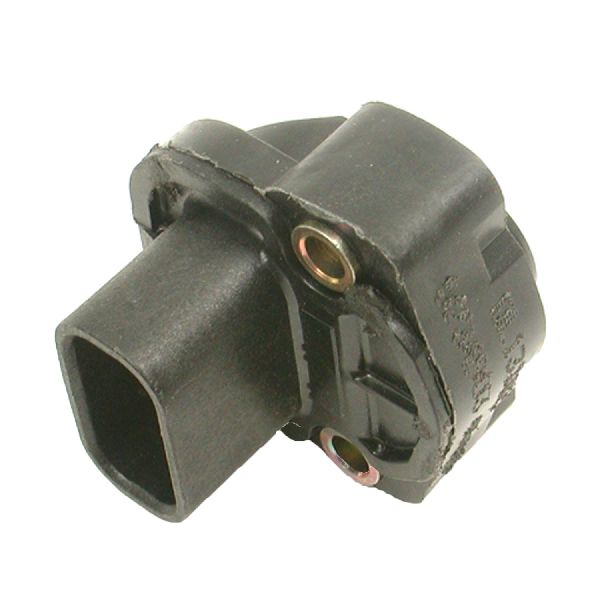
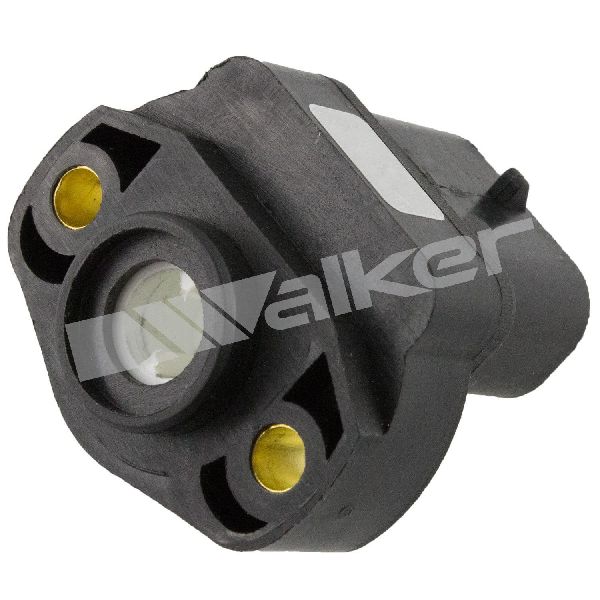
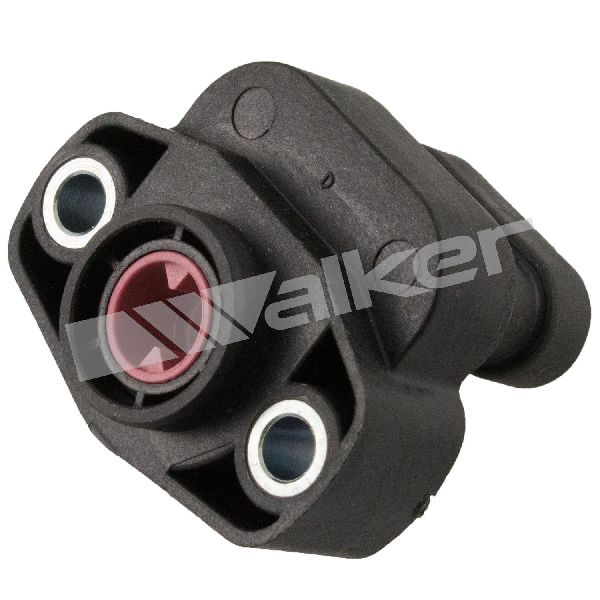
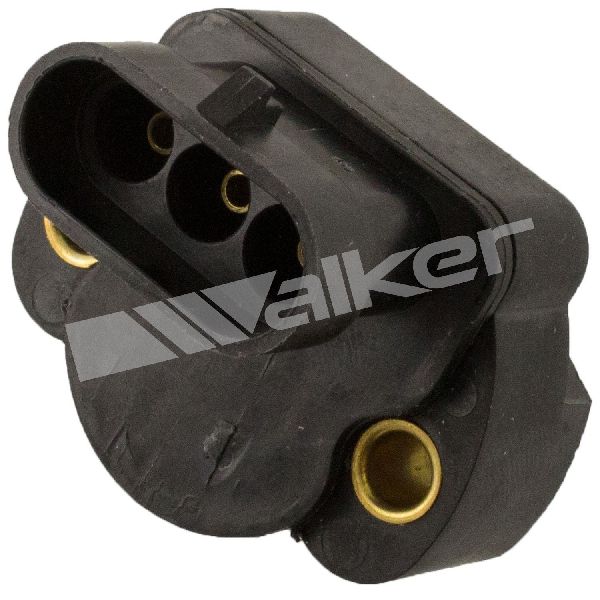
Replacing the TPS on a Dodge Spirit is a great job for a beginner. It is located on the side of the throttle body, held on by two screws, and has a single electrical connector. The entire job can usually be done in under 30 minutes with basic hand tools.
🎬 See this walkthrough of a typical Dodge TPS replacementFrequently Asked Questions (FAQ)
Do I need to calibrate or adjust the new TPS?
For the 1989-1995 Dodge Spirit, a direct-fit replacement TPS should not require manual calibration. These sensors are designed to work correctly upon installation. The engine computer will relearn the new sensor's idle and full-throttle positions on its own after you start the car.
How can I test my old TPS to be sure it's bad?
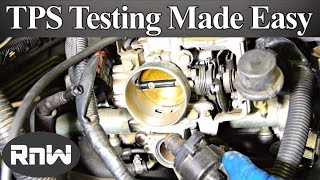
You can test a TPS with a multimeter set to measure voltage. Back-probe the signal wire at the sensor's connector. With the key on and engine off, the voltage should be low at idle (around 0.5V) and sweep smoothly upwards to around 4.5V as you manually open the throttle. Any jumps, dead spots, or erratic readings indicate the sensor has failed.
🎬 Watch: How to test your sensor with a multimeterAre there any recalls for the Dodge Spirit TPS?
No, there are no specific recalls or Technical Service Bulletins (TSBs) from the NHTSA related to the throttle position sensor for the 1989-1995 Dodge Spirit.
Can a bad TPS cause my Spirit to fail an emissions test?
Yes. A faulty TPS causes the engine computer to calculate the air-fuel mixture incorrectly. This can lead to increased harmful emissions, which could cause your vehicle to fail a smog check.
Helpful Videos
Technical Specifications
OEM Part Numbers: 4626051 4637072 4761871 5234904 4288898 5276010 4759001
Typically a 3-pin, bolt-on, potentiometer-style sensor located on the throttle body.
We Have This Part in Stock


The information in this article is provided for general reference and educational purposes only. Vehicle specifications, procedures, and part compatibility can vary by production date, trim level, and region. Always consult your vehicle's factory service manual and verify part numbers before purchasing or performing repairs. Safety-critical components such as airbags, seat belts, and braking systems should be installed by a qualified professional.
- Dodge Spirit: