

Choosing the Right Alternator for Your 1989-1995 Ford Mustang
Keep your Fox Body or SN95 Mustang's electrical system reliable with the right alternator.
- For 1989-1993 models, upgrading the failure-prone 2G alternator to a more reliable 3G unit is the single most important step.
- Choose an amperage based on your needs: 130 amps is great for stock or lightly modified cars, while 150+ amps is needed for cars with electric fans or big stereos.
- When upgrading to a higher-amperage alternator, you must also upgrade the main power wire to a heavier gauge (e.g., 4-gauge) to prevent a fire hazard.
- Replacing the alternator is a straightforward DIY job for most home mechanics, typically taking 1-2 hours with basic tools.
The Most Important Upgrade: 2G vs. 3G Alternators
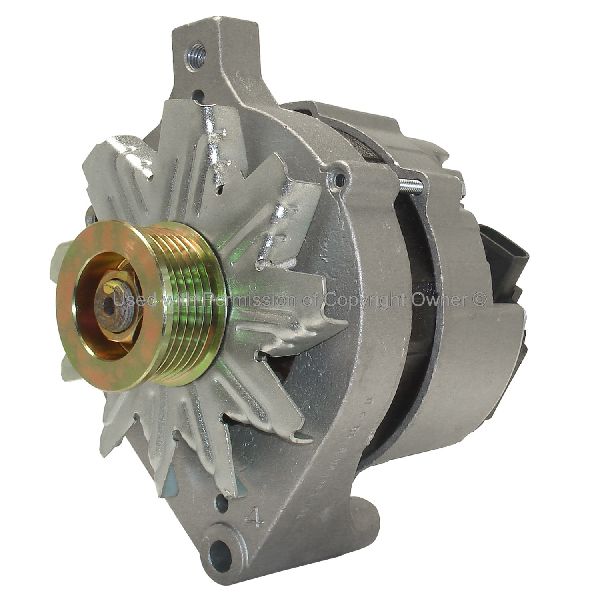
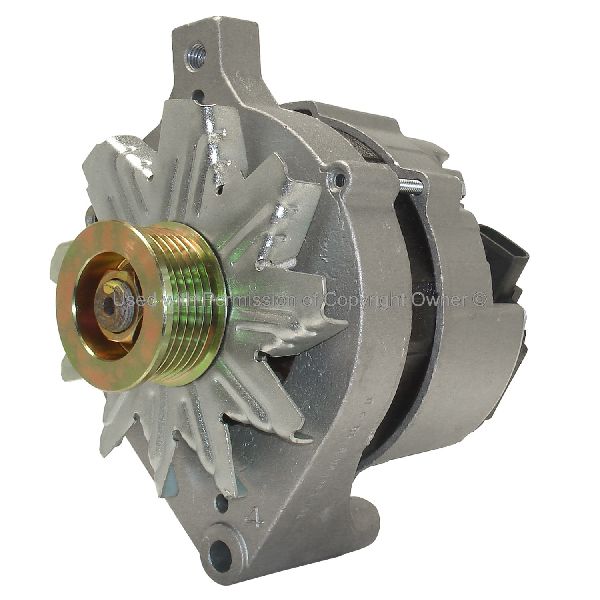
If you own a 1989-1993 Mustang, your car came from the factory with a 2nd Generation (2G) alternator. These units are known for their low output (around 75 amps) and a plug design that is prone to melting and creating a fire hazard. For these Fox Body Mustangs, upgrading to a 3rd Generation (3G) alternator is one of the most important reliability modifications you can make.
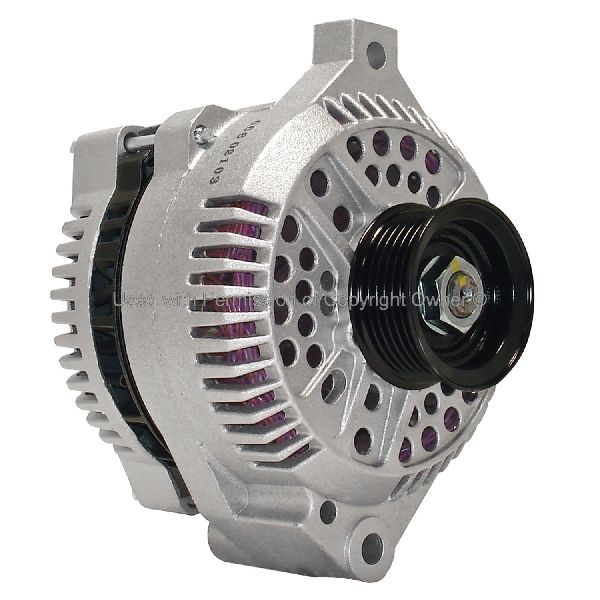
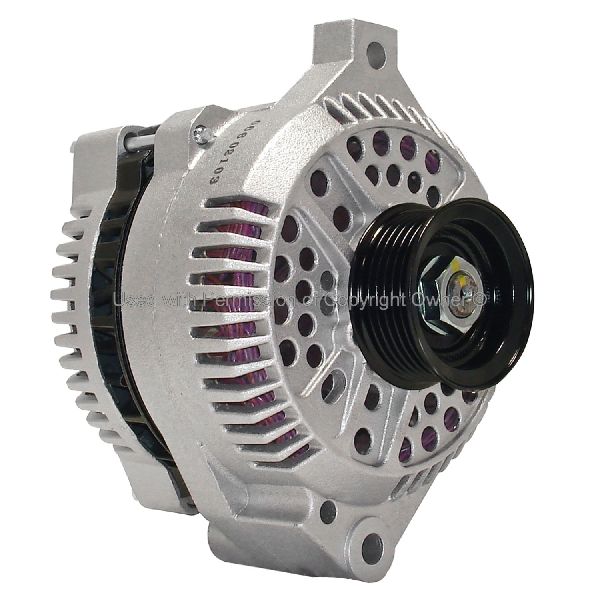
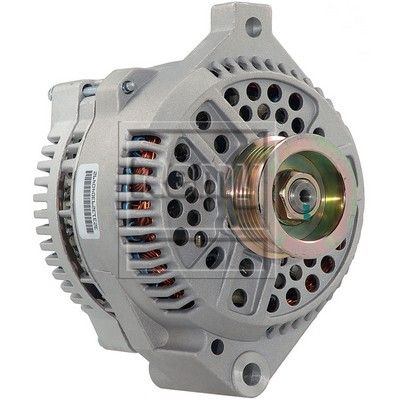
The 1994-1995 SN95 Mustangs came factory-equipped with the superior 3G alternator, which offers higher output (typically 130 amps) and a much safer, more reliable design. This makes finding a replacement for a '94 or '95 model straightforward, but it also makes the 3G alternator a popular bolt-on upgrade for the earlier cars.
Pro Tip: Upgrading to a 3G Alternator
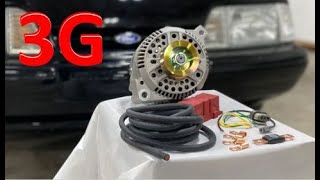
When upgrading a 1989-1993 Mustang to a 3G alternator, you will need a conversion wiring harness or kit. This is because the plug design is different. You will also need to upgrade the main power wire to a heavier gauge (like a 4-gauge wire) to safely handle the higher amperage output.
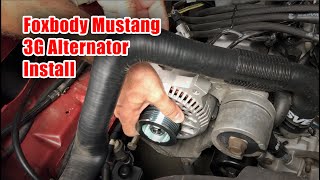
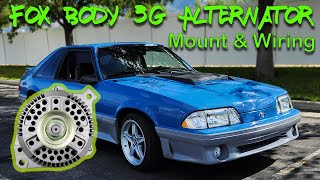
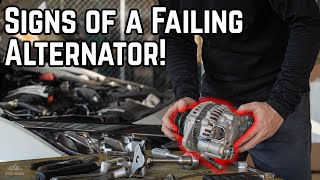
🎬 Watch: A complete guide to swapping your Fox Body to a 3G alternator.Symptoms of a Failing Alternator
A failing alternator will give you several warning signs. Ignoring them can leave you stranded with a dead battery. Common symptoms include:
- Dimming Lights: Headlights and interior lights may flicker or dim, especially at idle or when using accessories like the A/C.
- Battery Warning Light: The battery light on your dashboard indicates a problem with the charging system, not necessarily the battery itself.
- Slow or Dead Battery: If the alternator isn't recharging the battery, your car will run on battery power alone until it's depleted.
- Whining or Grinding Noises: Worn-out bearings inside the alternator can cause a distinct whining or grinding sound that changes with engine RPM.
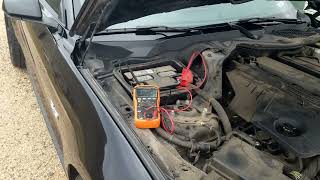
- Electrical Issues: Power windows may operate slowly, or the radio might cut out. These are signs the electrical system isn't getting enough power. 🎬 See these common symptoms of a failing alternator in action.
Choosing the Right Aftermarket Alternator
When shopping for a new alternator, consider your car's electrical needs.
- Stock Replacement (75-130 Amp): If your Mustang is mostly stock, a standard-output alternator will work perfectly. For 1994-1995 models, a 130-amp unit is the standard replacement. For 1989-1993 models, upgrading from the stock 75-amp 2G to a 95-amp or 130-amp 3G is highly recommended even for stock cars.
- High-Output (140-200+ Amp): If you have added high-draw accessories like a powerful sound system, electric cooling fans, or extra lighting, you need a high-output alternator to keep up with the demand. Brands like Powermaster and Ford Performance specialize in these units. 🎬 Watch: How to install a high-output 200 amp alternator on SN95 Mustangs.
Aftermarket Brand Tiers
| Tier | Brands | Best For |
|---|---|---|
| Performance / High-Output | Powermaster, Ford Performance, PA Performance | Modified Mustangs with high electrical demands (electric fans, large stereos). |
| Premium Aftermarket | Bosch, Remy | Owners seeking OEM-or-better quality and reliability for daily drivers or restorations. |
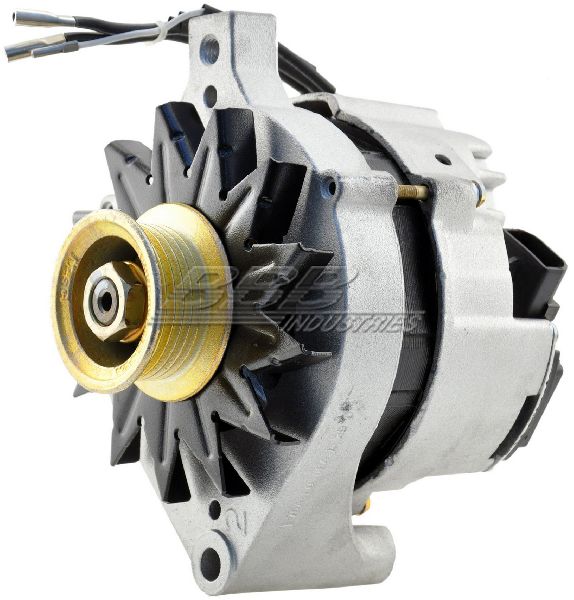
| Standard Aftermarket | WAI Global, BBB Industries, MPA | A balance of quality and value for stock replacement. |
Some forum users have reported mixed reliability with Powermaster units over the long term, sometimes requiring multiple replacements. However, others have had positive experiences.
Frequently Asked Questions
Is a new aftermarket alternator better than a remanufactured one?
New aftermarket alternators are built with 100% new components and often come with excellent warranties. While a quality remanufactured unit from a reputable brand can be a good value, new units eliminate the risk of inheriting worn-out internal parts that weren't replaced during the remanufacturing process.
What amperage do I need for my Mustang?
For a stock 1989-1993 Mustang, a 95-amp or 130-amp 3G upgrade is ideal. For a stock 1994-1995 Mustang, a 130-amp alternator is the standard replacement. If you have an electric fan, a large stereo, or other significant electrical upgrades, consider a 150-amp to 200-amp alternator to prevent issues.
Do I need to replace my serpentine belt when I replace the alternator?
It's a good idea to inspect the serpentine belt and tensioner while you have them off. If the belt is cracked, frayed, or glazed, you should replace it to ensure the new alternator is driven properly.
Are there any recalls for the 1989-1995 Mustang alternator?
Searches of the NHTSA database did not find any specific alternator recalls for the 1989-1995 Ford Mustang. The most significant known issue is the fire-prone 2G alternator plug on 1989-1993 models, which is a well-documented problem in owner communities but not an official recall.
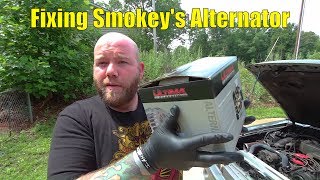
Helpful Videos


Technical Specifications
OEM Part Numbers: F4ZU-10300-AA F1DU-10300-CA F07U-10300-BA
1989-1993 models were equipped with a Ford 2G series alternator, typically 75 amps. 1994-1995 models were equipped with a Ford 3G series alternator, typically 130 amps. Aftermarket options are available from 95 amps to over 200 amps.
We Have This Part in Stock

The information in this article is provided for general reference and educational purposes only. Vehicle specifications, procedures, and part compatibility can vary by production date, trim level, and region. Always consult your vehicle's factory service manual and verify part numbers before purchasing or performing repairs. Safety-critical components such as airbags, seat belts, and braking systems should be installed by a qualified professional.
- Ford Mustang: