

Engine Camshaft Position Sensor Guide for 1989-1995 Mercury Sable
Understanding the role of the camshaft position sensor in your Sable and how to choose the right replacement.
- A failing camshaft sensor will cause symptoms like stalling, no-starts, and a Check Engine Light with code P0340.
- Listen for a chirping noise, which points to failure of the camshaft synchronizer assembly—a critical issue on these engines that can lead to oil pressure loss.
- When replacing the sensor, it is highly recommended to replace the entire camshaft synchronizer assembly at the same time.
- Check for the unrelated but critical NHTSA recall on subframe corrosion (98V323000), which poses a major safety risk.
Is a Failing Camshaft Position Sensor a Serious Problem?
Yes, a failing camshaft position sensor can cause significant issues, from poor engine performance to leaving you stranded. When the sensor sends incorrect or no data to the engine's computer, it disrupts the precise timing needed for fuel injection and ignition. This can lead to a range of symptoms, including a rough idle, engine stalling, and difficulty starting. In some cases, particularly with the 3.0L Vulcan engine, the sensor is part of a synchronizer assembly that also drives the oil pump. A complete failure of this assembly can lead to a sudden loss of oil pressure, which can quickly cause catastrophic engine damage.
Special Note for 3.0L Vulcan and 3.8L Essex Engines
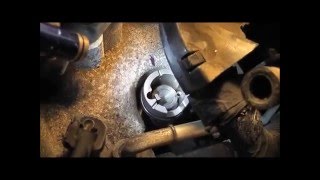
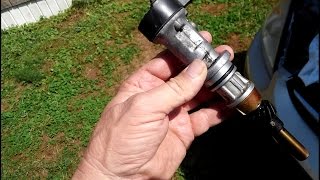
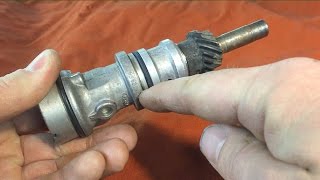
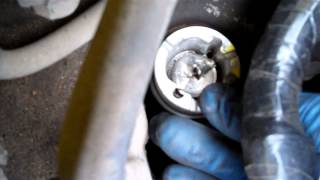
On many Ford engines of this era, including the 3.0L and 3.8L V6s found in your Sable, the camshaft position sensor is mounted on top of a "camshaft synchronizer." This part replaces the old distributor and is driven by the camshaft. The synchronizer itself can wear out, often making a squeaking or chirping noise that sounds like a bad belt. If the synchronizer fails, it can damage the sensor and, more importantly, stop driving the oil pump, leading to severe engine failure. If you hear a persistent chirp from the engine bay, 🎬 See how to identify that specific chirping noise. it is critical to have the camshaft synchronizer inspected immediately, not just the sensor itself.
Choosing the Right Aftermarket Camshaft Sensor
For a vehicle like the 1989-1995 Mercury Sable, original equipment (OEM) parts may be difficult to find or discontinued. Aftermarket parts are a perfectly acceptable and common solution. The key is to choose a reputable brand. The brands available, Standard Ignition and Global Parts, represent different tiers in the aftermarket.
- Standard Ignition (Standard Motor Products): Often considered a top-tier aftermarket brand, Standard has a long history of producing quality engine management components. Their sensors often feature advanced circuitry and undergo extensive testing to ensure they meet or exceed OEM performance. For a critical part like the camshaft sensor, choosing a brand with a strong reputation for reliability is a wise investment.
- Global Parts (GPD): GPD is a well-known aftermarket supplier that offers a cost-effective alternative. While they may not have the same long-standing reputation specifically for sensors as Standard, they produce direct-fit parts that meet basic OE form and function requirements. For a budget-conscious repair, GPD can be a suitable choice.
Pro Tip: Given the potential for the camshaft synchronizer to be the root cause of the problem, it is highly recommended to replace the sensor and the synchronizer as a complete assembly. 🎬 Watch this step-by-step guide on synchronizer diagnosis and replacement. This prevents a new sensor from being damaged by a worn-out synchronizer.
Cost to Replace the Camshaft Position Sensor
| Part/Service | Estimated Cost |
|---|---|
| New Aftermarket Part | $33 - $44 |
| Shop Labor | $51 - $140 |
| Total Professional Replacement | $84 - $184 |
Note: Costs are estimates and can vary based on your location and specific vehicle needs. The price range for the part is based on available inventory. Labor costs are based on general estimates for this type of repair.
Frequently Asked Questions (FAQ)
What are the most common signs of a bad camshaft sensor on my Sable?
The most common symptoms include the Check Engine Light coming on, difficulty starting the engine, a rough idle, engine stalling, hesitation during acceleration, and reduced fuel economy. You may also hear a chirping or squeaking noise if the related camshaft synchronizer is failing.
Will a bad camshaft sensor cause my car to not start?
Yes, it is possible. A failing camshaft position sensor can cause prolonged cranking times or a complete no-start condition because the engine's computer doesn't receive the necessary signal to initiate the ignition sequence correctly.
What does the P0340 code mean?
The diagnostic trouble code (DTC) P0340 specifically indicates a malfunction in the camshaft position sensor "A" circuit. This means the computer has detected a problem with the sensor's signal, the wiring, or the sensor itself. This is the most common code associated with a failing camshaft sensor.
🎬 Watch: How to diagnose and fix a P0340 code.Are there any recalls for the camshaft position sensor on the 1989-1995 Sable?
No, searches of the National Highway Traffic Safety Administration (NHTSA) database did not show any recalls specifically for the camshaft position sensor. However, this vehicle generation has a critical recall for subframe corrosion (NHTSA ID: 98V323000) that can cause a loss of steering control and should be inspected by any owner.
Helpful Videos
Technical Specifications
OEM Part Numbers: E9SZ12A112A E9DZ12A112A E9SE12A112AA
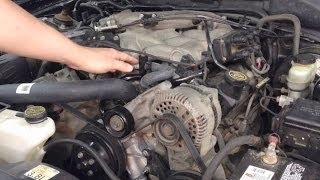
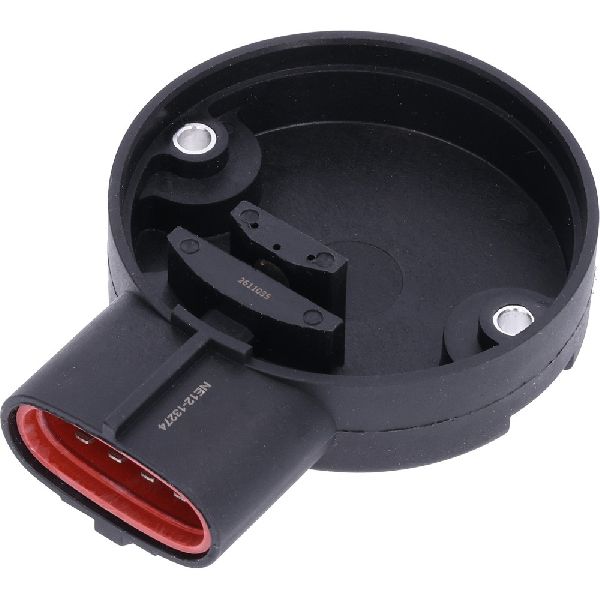
This is a Hall-Effect magnetic switch sensor. On the 3.0L and 3.8L V6 engines, it is typically mounted on the camshaft synchronizer assembly, which is located where a traditional distributor would be, towards the rear of the engine block.
We Have This Part in Stock


The information in this article is provided for general reference and educational purposes only. Vehicle specifications, procedures, and part compatibility can vary by production date, trim level, and region. Always consult your vehicle's factory service manual and verify part numbers before purchasing or performing repairs. Safety-critical components such as airbags, seat belts, and braking systems should be installed by a qualified professional.
- Mercury Sable: