

A Comprehensive Guide to the 1989-1995 Suzuki Swift Alternator
Everything you need to know before replacing the alternator in your Suzuki Swift.
- Key symptoms of failure include dim/flickering lights, a battery warning light on the dash, and whining noises from the engine.
- For this vehicle, choosing a 100% new aftermarket alternator is a better value than a remanufactured unit.
- No major safety recalls for the alternator itself were found for the 1989-1995 Swift model years.
- DIY replacement is possible for those with mechanical experience, but accessing the bolts can be tricky.
Is Your Suzuki Swift's Alternator Failing?
The alternator is a part that wears out over time. When it starts to fail, it can cause a range of electrical problems that can leave you stranded. Recognizing the signs early can save you from a major headache. Your car is running on borrowed time once the alternator stops working correctly, relying solely on the battery's limited power.
Common Failure Symptoms
🎬 Watch: 7 common signs your alternator is failing- Dim or Flickering Lights: One of the most common signs is headlights and dashboard lights that are dimmer than usual or flicker while you drive. This happens because the alternator isn't producing enough power.
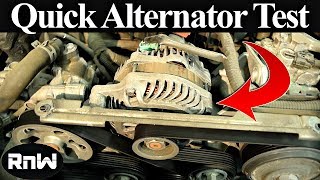
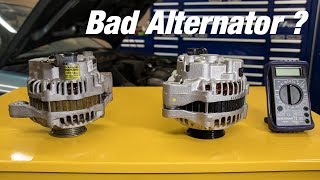
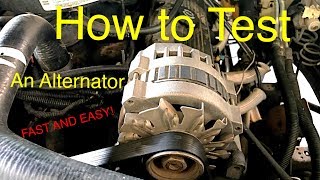
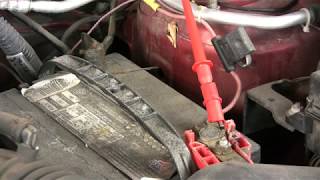
- Battery Warning Light: A warning light on your dashboard, often shaped like a battery, will illuminate if the system detects a charging problem. This light means the alternator's output voltage is too low, and the car is running off the battery. 🎬 Learn how to test your alternator the right way
- Strange Noises: A grinding or whining sound coming from the engine bay can point to bad bearings inside the alternator. This noise may change with engine speed.
- Dead Battery: If your alternator is completely dead, it won't recharge the battery. You might be able to jump-start the car, but it will die again shortly after as the battery drains.
Choosing the Right Aftermarket Alternator
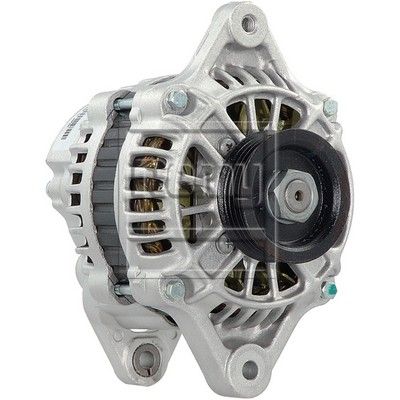
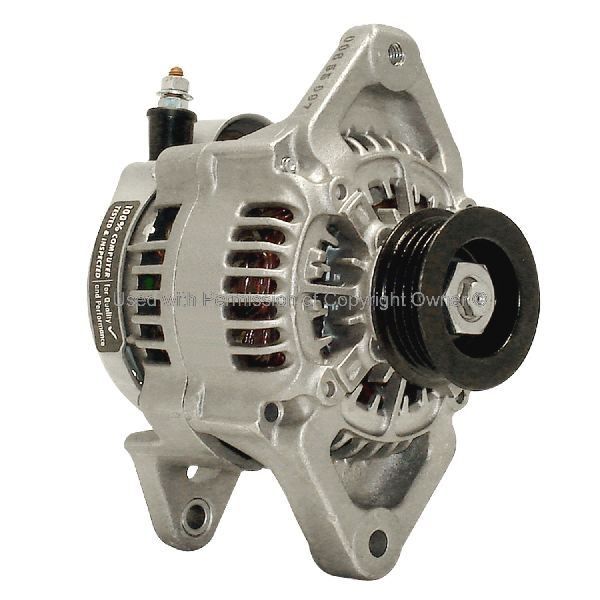
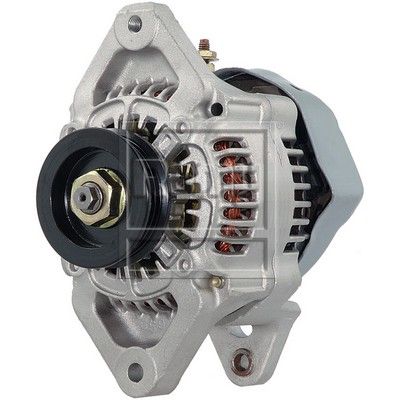
For a vehicle like the 1989-1995 Suzuki Swift, a new aftermarket alternator is often the most practical and cost-effective choice. While OEM (Original Equipment Manufacturer) parts from Suzuki were made by top-tier suppliers like Denso, they can be expensive and hard to find for a car of this age. Aftermarket brands offer a balance of price and quality.
When shopping, you will see both "new" and "remanufactured" options. For a critical part like an alternator, choosing a 100% new unit is highly recommended. Remanufactured units can be inconsistent, as quality depends on which internal components were replaced.
Aftermarket Brand Tiers
Pro Tip: Since Suzuki is a Japanese brand, their original parts were often made by Denso. While not one of the listed aftermarket brands, if you can find a new Denso unit that fits your Swift, it is an excellent choice.
- Tier 1 - Good Quality Aftermarket (WAI Global): WAI Global often produces 100% new alternators and sometimes includes an individual test result sheet in the box, showing a commitment to quality control. While some online forum users have reported occasional issues, they are generally considered a solid choice among readily available aftermarket brands.
- Tier 2 - Standard Aftermarket (BBB Industries, MPA, Remy): These are massive players in the aftermarket world. MPA is the parent company of Quality-Built, and BBB Industries owns Remy's aftermarket business. Reviews for these brands are often mixed; some users have great success, while others report premature failures. They are an affordable option, but their quality can be less consistent than top-tier brands. Buying a new unit instead of a remanufactured one from these brands can improve your odds of getting a reliable part.
A Note on Recalls: Searches for recalls on the 1989-1995 Suzuki Swift alternator did not find any specific recalls for the alternator itself. Some other Suzuki models and years had recalls related to alternator belt tensioners or charging issues, but these do not appear to apply to this specific generation of the Swift.
Cost of Replacing a Suzuki Swift Alternator
| Part Type | Estimated Cost |
|---|---|
| New Aftermarket Alternator | $72 - $229 |
| Shop Labor | $150 - $250 |
| Total Estimated Cost | $222 - $479 |
Frequently Asked Questions (FAQ)
Is an aftermarket alternator good enough for my Swift?
Yes. For a vehicle of this age, a quality new aftermarket alternator provides a great balance of performance, reliability, and value. Aftermarket replacement alternators can be as durable as original parts but are much more affordable.
What is amperage and why does it matter?
Amperage (amps) is the measure of electrical output. The stock alternator is about 50 amps, which is sufficient for the car's original equipment. If you have added high-power accessories like a large stereo system or extra lighting, you might consider a high-output alternator, but for a stock vehicle, the standard replacement is all you need.
Can I install a new alternator myself?
Yes, if you have some mechanical experience. The alternator is usually located on the back of the engine and can be "fiddly" to access. The process involves loosening the drive belt, disconnecting the wiring, and unbolting the unit. It requires basic hand tools, including an 8mm Allen key for the pivot bolt on some models.
🎬 See this step-by-step alternator installation walkthroughShould I buy a new or remanufactured alternator?
Always choose a 100% new alternator if it fits your budget. Remanufactured alternators reuse old components that may not have been replaced, leading to a higher chance of early failure. A new unit ensures all components, including bearings and electronics, are fresh from the factory.
Helpful Videos

Technical Specifications
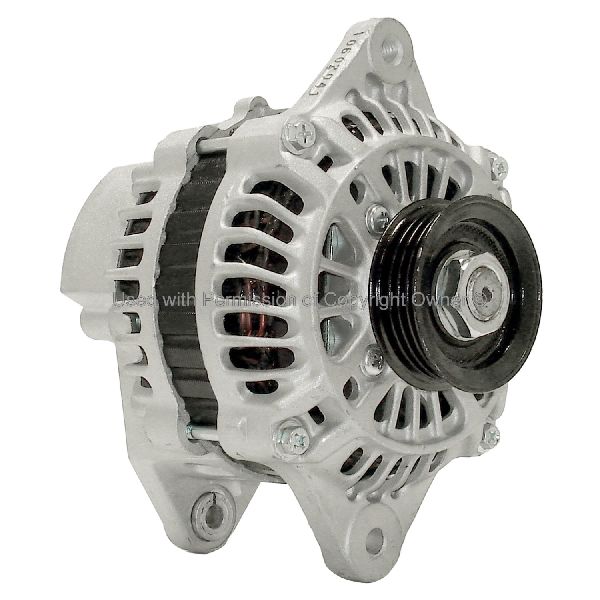
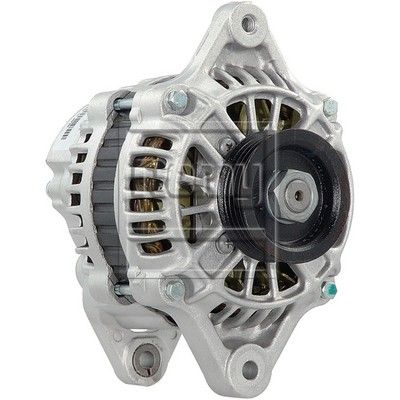
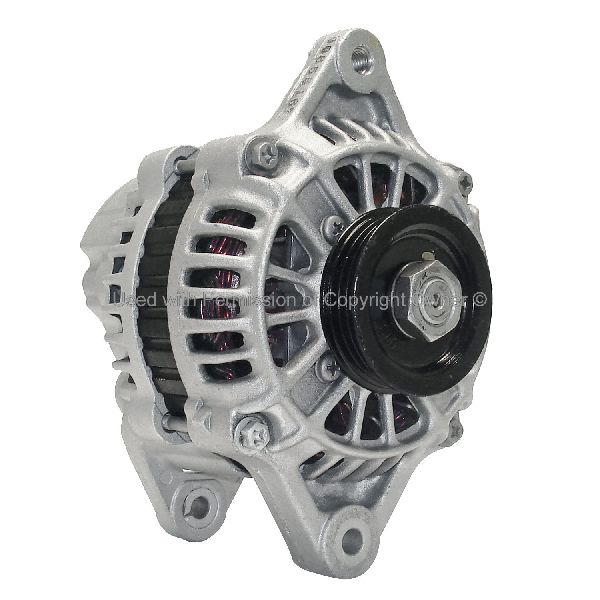
OEM Part Numbers: 31400-60A20 31400-82110 31400-82111 31400-60B11 31400-60B30 100211-1410 100211-2200
Voltage: 12V, Standard Amperage: 50 Amps, Regulator: Internal.
We Have This Part in Stock

The information in this article is provided for general reference and educational purposes only. Vehicle specifications, procedures, and part compatibility can vary by production date, trim level, and region. Always consult your vehicle's factory service manual and verify part numbers before purchasing or performing repairs. Safety-critical components such as airbags, seat belts, and braking systems should be installed by a qualified professional.
- Suzuki Swift: