

Eagle Summit A/C Receiver Drier: A Guide for 1989-1996 Models
Keep your Eagle Summit's air conditioning running cold by understanding this critical, often-overlooked part.
- The receiver drier MUST be replaced any time the A/C system is opened for service to protect new components and validate warranties.
- For this vehicle, Denso is the highest quality aftermarket choice, followed by reputable brands like Four Seasons and ACDelco.
- Symptoms of failure include poor cooling, musty smells, and rattling noises.
- This is not a DIY job for most people due to the need for specialized refrigerant handling equipment.
Is Your A/C Not as Cold as It Used to Be?
If the air conditioning in your Eagle Summit isn't performing well, a failing A/C receiver drier could be part of the problem. Because this part is so important for the health of the entire A/C system, it's a rule among mechanics to replace it any time the system is opened for repairs, such as when replacing a compressor or hose. The material inside gets saturated with moisture once exposed to air and can't be reused.
Symptoms of a Failing A/C Receiver Drier
- Poor Cooling Performance: The most common symptom is simply that your A/C doesn't blow cold air, or the air is only slightly cool. A clogged drier restricts the flow of refrigerant.
- Moldy or Musty Smell: If the desiccant inside is saturated, it can't absorb new moisture, which can lead to a moldy smell coming from your vents.
- Rattling Noises: If the drier is old, internal parts or the desiccant material can break loose, causing a rattling sound when the A/C is on.
- Frost on A/C Components: You might see frost forming on the drier itself or the connected lines. This can indicate a serious clog.
- Oily Residue or Leaks: While less common, the seals on the drier can fail, leading to refrigerant leaks. You might see a greasy film on the part itself.
A Note on a Related Issue
For 1993-1996 models specifically, a common issue is the failure of the passenger-side A/C condenser fan. This will cause the A/C to blow warm when you are stopped in traffic but get cold again when you start moving at higher speeds. If you experience this specific symptom, you should inspect the fan before replacing other A/C parts.
Choosing the Right Aftermarket Drier
Finding a new original equipment (OEM) part for a vehicle of this age is nearly impossible. The good news is that several reputable aftermarket companies make replacement parts that meet or exceed original quality. Since the Eagle Summit is a rebadged Mitsubishi, brands that are OEM suppliers for Japanese vehicles are an excellent choice.
- Tier 1 (OEM Quality): Denso is a highly respected brand that was likely the original supplier for your vehicle's A/C system. If you can find a Denso drier, it is considered a top-quality choice that ensures a perfect fit and long life.
- Tier 2 (Reputable Aftermarket): Four Seasons is a well-known A/C parts specialist and a very common choice for repairs. ACDelco, while a GM brand, often sources its parts from various manufacturers and can be a reliable option, though it may sometimes be a re-packaged Four Seasons part.
- Tier 3 (Budget-Friendly): Brands like Global Parts (UAC) are widely available and offer a more budget-conscious option. They can be a good choice for an older vehicle where cost is a primary concern.
Pro Tip: Always Replace When the System is Open
Think of the receiver drier as the oil filter for your A/C system. You must replace it whenever you replace a major component like the compressor or condenser. In fact, most warranties for new A/C compressors are void if you don't also install a new receiver drier.
Typical Replacement Costs
Replacing the A/C receiver drier is a job that requires special equipment to handle refrigerant, so most people will need to have it done by a professional shop.
| Item | Estimated Cost |
|---|---|
| New Aftermarket A/C Receiver Drier | $21 - $50 |
| Shop Labor & Refrigerant Service | $150 - $250 |
| Total Estimated Cost | $171 - $300 |
Frequently Asked Questions
Can I replace the A/C receiver drier myself?
This is not recommended for DIYers without the proper tools and training. The A/C system must be professionally evacuated to remove all refrigerant before you can open the system. After installation, it needs to be vacuumed down and recharged with a precise amount of refrigerant and oil. Failure to do this correctly can damage the new parts and result in poor performance.
How often should the receiver drier be replaced?
It must be replaced any time the A/C system is opened for a repair. Some manufacturers recommend replacing it every 2-3 years as a preventative measure, but most people only replace it when other A/C work is being done.
Are there any recalls for the Eagle Summit A/C system?
No, there are no recalls or common Technical Service Bulletins (TSBs) from the NHTSA specifically for the A/C receiver drier on the 1989-1996 Eagle Summit. Any failures are due to the age and normal wear of the components.
What's the difference between a receiver/drier and an accumulator?
They perform the same basic job of removing moisture and debris, but they are used in different types of A/C systems and are located in different places. Your Eagle Summit uses a receiver/drier, which is on the high-pressure side of the system. You should not use parts referred to as accumulators.
Technical Specifications
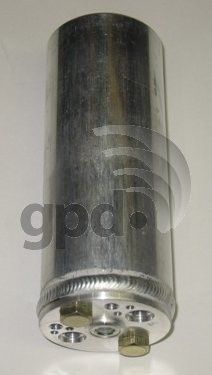
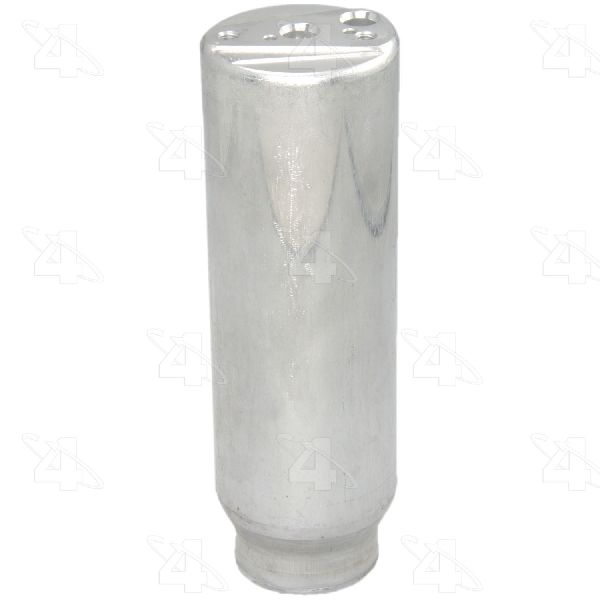
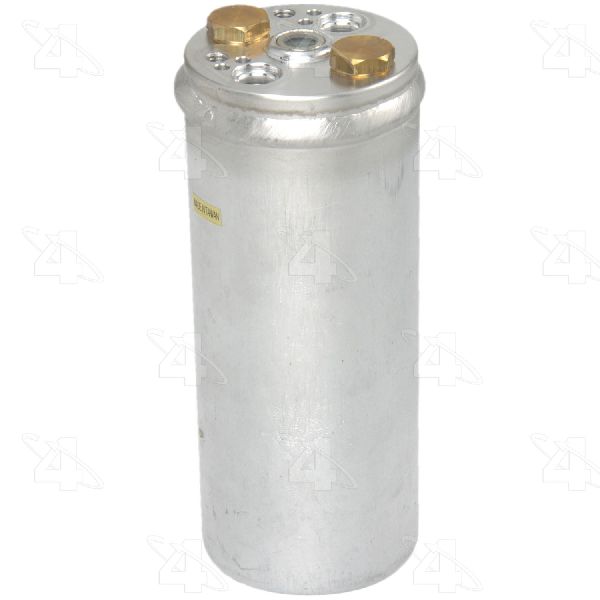
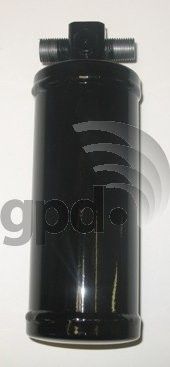
Vehicle uses a receiver/drier located on the high-pressure side of the A/C system. It contains desiccant material to absorb moisture. Replacement is mandatory when the system is opened.
We Have This Part in Stock
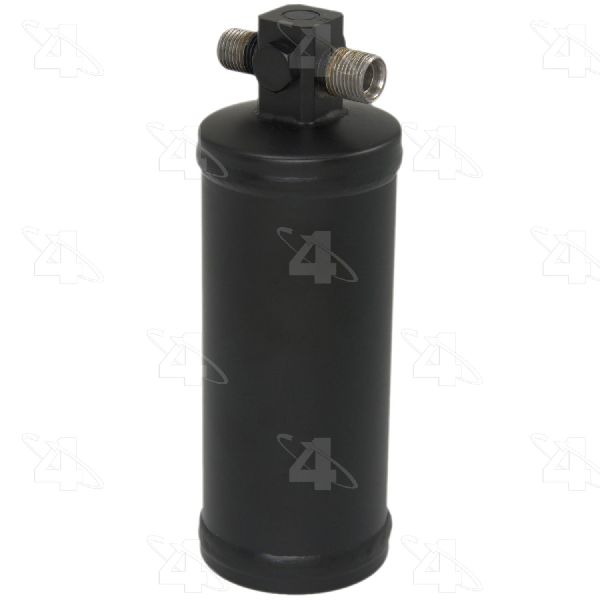
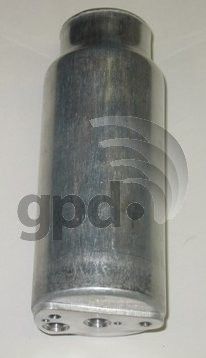

The information in this article is provided for general reference and educational purposes only. Vehicle specifications, procedures, and part compatibility can vary by production date, trim level, and region. Always consult your vehicle's factory service manual and verify part numbers before purchasing or performing repairs. Safety-critical components such as airbags, seat belts, and braking systems should be installed by a qualified professional.
- Eagle Summit: