

Eagle Summit Accessory Drive Belt Replacement Guide (1989-1996)
Everything an Eagle Summit owner needs to know about replacing their accessory drive belts.
- Your Summit uses multiple V-belts, not a single serpentine belt; you must know your engine size and accessories to buy the correct parts.
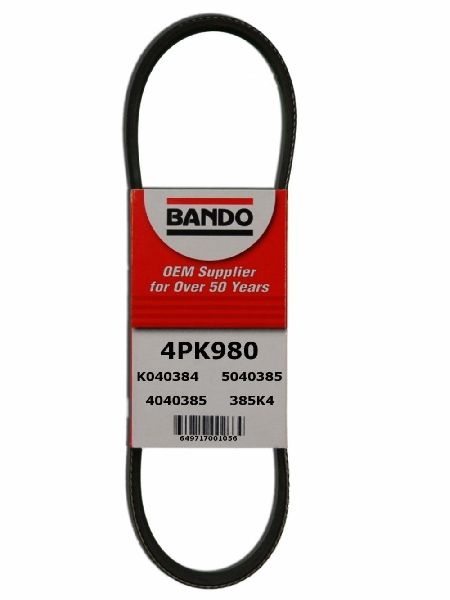
- Since the Summit is a rebadged Mitsubishi, choosing OEM-supplier brands like Bando or Mitsuboshi is a safe bet for quality and fit.
- It is cheaper and safer to replace all drive belts at the same time and inspect the pulleys for wear.
- A squealing noise is the first warning sign; do not ignore it. Check for visible cracks and fraying.
Signs of a Bad Drive Belt

A failing drive belt usually gives you some warning before it snaps. If you notice any of these signs, it's time to inspect your belts.
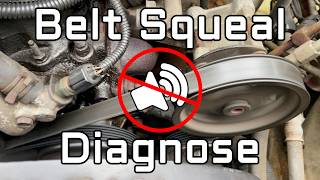
- Squealing Noises: A high-pitched squeal or chirp, especially when you start the engine or turn on the A/C, is the most common sign of a worn or loose belt. 🎬 Watch: How to easily diagnose and fix a squeaky belt.
- Visible Damage: Look at the belts. If you see cracks, fraying, missing chunks, or a shiny, glazed surface, the belt is old and needs replacement.
- Accessory Problems: If your power steering feels heavy, the A/C isn't blowing cold, or the battery light flickers on your dash, it could be a slipping belt failing to power those components properly.
- Overheating Engine: On some models, a drive belt runs the water pump. If that belt fails, the engine can overheat quickly, which is a serious problem.
Don't Ignore a Bad Belt
A broken belt can leave you stranded. If the alternator belt breaks, your car will run on battery power for only a short time. If the water pump belt breaks, your engine can suffer catastrophic damage from overheating.
Choosing the Right Aftermarket Belt

Since the Eagle Summit is a rebadged Mitsubishi Mirage, choosing brands that are original equipment (OEM) suppliers for Japanese vehicles is a smart move. All the listed brands are reputable, but they fall into a couple of tiers for your specific car.
Tier 1: OEM Supplier Quality
These brands are known OEM suppliers for Mitsubishi and other Japanese automakers. They are a direct, high-quality replacement for the original belts.
- Mitsuboshi & Bando: Both are top-tier choices and were likely the original belts on your Summit. You can't go wrong with either for fit and durability.
Tier 2: Top-Tier Aftermarket
These are major American and European brands with a long history of making quality replacement parts. They are excellent, reliable choices.
- Gates: A highly respected brand in the aftermarket, known for making durable belts that often meet or exceed OEM specs.
- Continental (ContiTech): Another premium brand with a great reputation for quality and longevity.
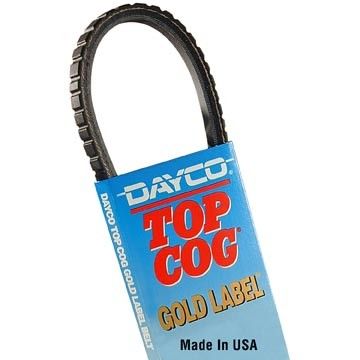
- Dayco: A solid, reliable choice that offers a good balance of quality and value.
- ACDelco: While a GM brand, their belts are often sourced from other major manufacturers like Gates or Dayco and are a dependable option.
Pro Tip: The most common mistake is ordering the wrong belt. Your Summit has different engines (1.5L, 1.6L, 1.8L, 2.4L) and options (with or without A/C, with or without Power Steering). You must verify which belts you need for your specific setup before ordering. There isn't one single belt for all models.
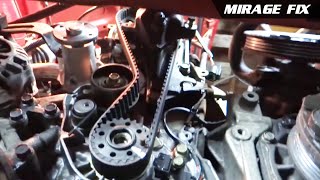
🎬 See this walkthrough for 4G15 engine belt and water pump service.Cost to Replace Eagle Summit Drive Belts

| Part Type | Estimated Cost |
|---|---|
| New Aftermarket Belts (per belt) | $5.18 - $44.01 |
| Shop Labor | $100 - $200 |
Cost estimates are for parts and labor and may vary based on your location and the specific belts your vehicle requires. It is highly recommended to replace all belts at the same time.
Frequently Asked Questions
Should I replace all the belts at once?
Yes. It is highly recommended. All the belts are the same age and have been exposed to the same conditions. If one is worn out, the others are likely close to failing too. Replacing them all at once saves you from having to do the job again in a few months and can save on labor costs.
Do I need to replace the pulleys or tensioner?
Not always, but you must inspect them. With the old belts off, spin each pulley by hand. They should spin smoothly and silently. If you feel any roughness, hear grinding, or see any wobble, the pulley or its component should be replaced. A bad pulley can quickly shred a new belt.
How often should I replace my drive belts?
As a general rule, inspect the belts annually and plan to replace them every 5-6 years or 60,000 miles, whichever comes first. Rubber degrades over time, even if the car isn't driven much.
Is this a difficult DIY job?
For most home mechanics with basic tools, this is a manageable job. Access can be tight, but the process involves loosening the tensioner for each belt, swapping the belt, and then re-tensioning it. Always make sure the new belt is properly seated in the pulley grooves.
🎬 Watch: Step-by-step guide to replacing alternator and power steering belts.Helpful Videos

Technical Specifications
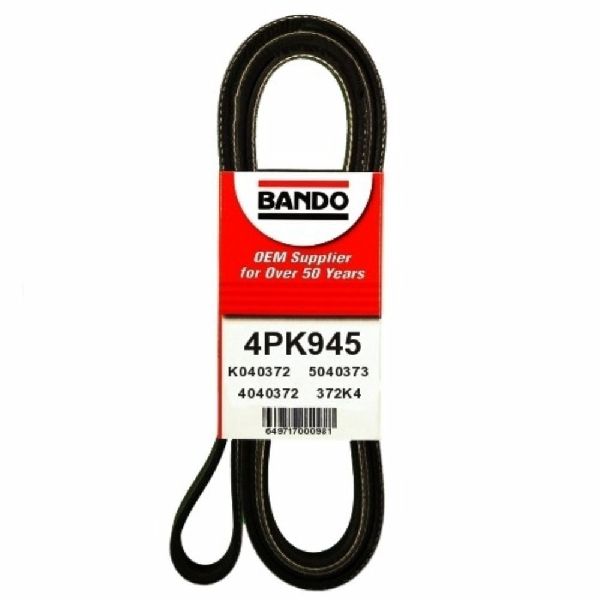
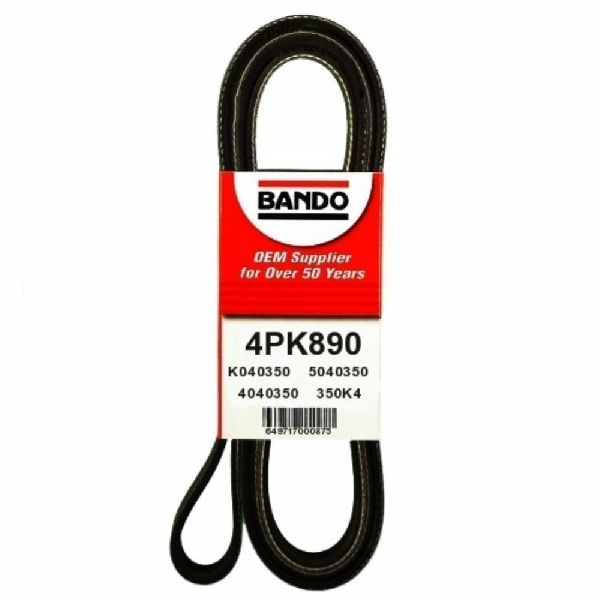
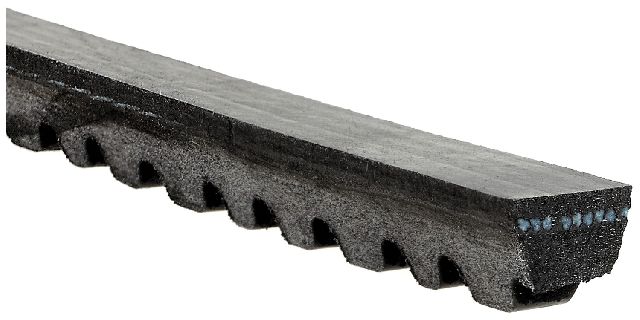
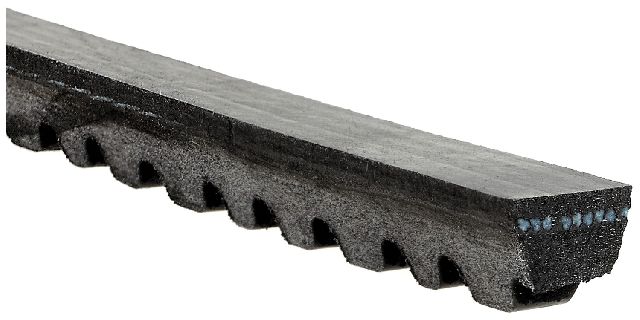
The 1989-1996 Eagle Summit uses a multi-belt system with V-belts of varying lengths depending on the engine (1.5L, 1.6L, 1.8L, 2.4L) and accessories (A/C, Power Steering). Belts are typically made of EPDM rubber with polyester reinforcement cords. Due to the high number of variations, there is no single universal part number.
We Have This Part in Stock

The information in this article is provided for general reference and educational purposes only. Vehicle specifications, procedures, and part compatibility can vary by production date, trim level, and region. Always consult your vehicle's factory service manual and verify part numbers before purchasing or performing repairs. Safety-critical components such as airbags, seat belts, and braking systems should be installed by a qualified professional.
- Eagle Summit: