

Eagle Summit Accessory Drive Belt Idler Pulley Guide (1989-1996)
Keep your Eagle Summit's belts running smoothly and quietly with the right replacement idler pulley.
- Your 1989-1996 Eagle Summit uses multiple V-belts, not a single serpentine belt; verify your engine and accessory configuration before ordering.
- A squealing or wobbly pulley is a clear sign of failure and should be addressed before the belt breaks and leaves you stranded.
- For this vehicle, quality aftermarket brands like Gates, Dayco, and Continental are reliable alternatives to hard-to-find OEM parts.
- It is highly recommended to replace all drive belts when replacing an idler pulley to save on future labor and ensure system reliability.
Is Your Eagle Summit's Idler Pulley Failing?
A failing idler pulley will almost always give you an audible warning. The bearing inside the pulley wears out from heat and constant rotation. When it starts to go bad, you'll notice distinct symptoms that shouldn't be ignored. A complete failure can shred your drive belt, leaving you stranded without a charging system or engine cooling.
Symptoms of a Bad Idler Pulley:
- Squealing or Chirping Noises: The most common sign is a high-pitched squeal or persistent chirp from the engine bay. This noise often changes with engine speed.
- Grinding or Rumbling Sound: As the bearing inside the pulley deteriorates, it can make a grinding or rough spinning sound, indicating a lack of internal lubrication.
- Visible Wobble: With the engine off, grab the pulley and try to wiggle it. If there is any play or wobble, the bearing is worn and the pulley needs to be replaced. You might also see the pulley wobbling while the engine is running.
- Damaged or Thrown Belt: A seized or wobbly pulley can quickly damage the edge of the drive belt or cause it to fly off the pulleys completely, leading to immediate accessory failure.
A Note on Eagle Summit Belt Systems
It's critical to know that the 1989-1996 Eagle Summit uses a system of multiple V-belts, not a single serpentine belt. This means you may have more than one idler pulley. When ordering, you must know your engine size (e.g., 1.5L, 1.8L, 2.4L) and accessory configuration (with or without A/C, etc.) to get the correct parts.
Choosing the Right Aftermarket Idler Pulley
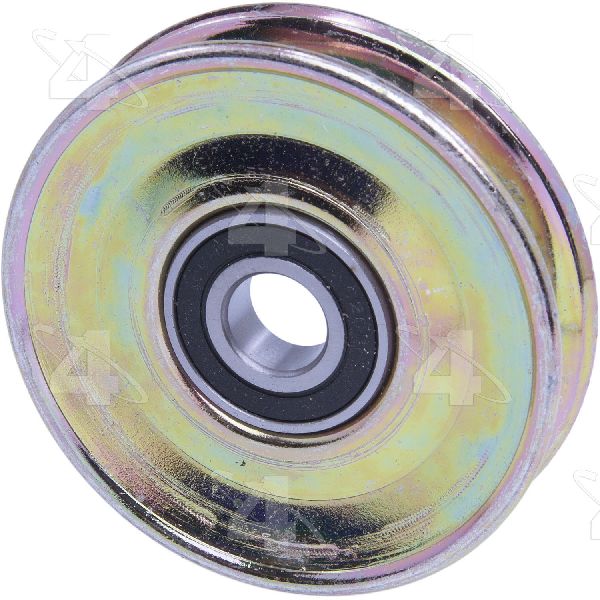
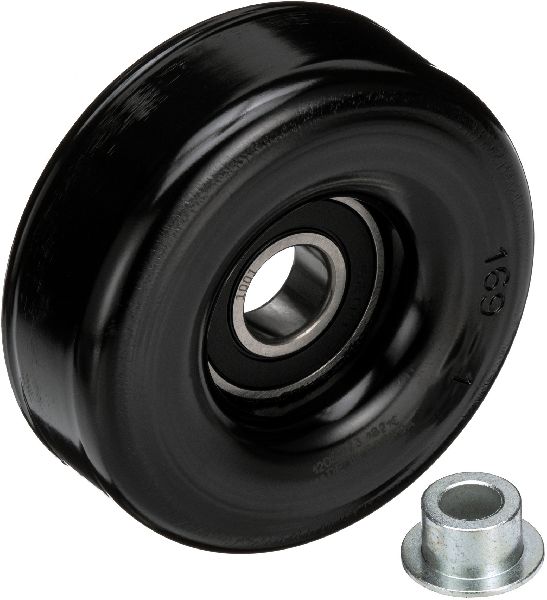
Original OEM idler pulleys for a vehicle of this age are likely discontinued or very difficult to find. The aftermarket provides many good-quality options. The key difference between brands is often bearing quality and the material of the pulley itself (steel vs. plastic/thermoplastic). For a component that spins thousands of times per minute, a quality bearing is the most important factor.
| Brand Tier | Brands | Quality & Notes |
|---|---|---|
| Tier 1: OE Quality | Gates, Dayco, Continental | These brands are well-regarded as OEM suppliers and top-tier aftermarket manufacturers. They are known for using high-quality bearings and materials. Many professional mechanics trust these brands for reliability. Some users note that Gates pulleys are often made of steel, which they prefer over plastic. |
| Tier 2: Quality Aftermarket | Four Seasons, Hayden | Both Four Seasons and Hayden are reputable brands that produce reliable replacement parts designed to meet or exceed original specifications. They often use steel or durable thermoplastic and focus on bearings that can withstand high engine bay temperatures. Customer reviews are generally positive regarding fit and function. |
| Tier 3: Economy | Skyward, other store brands | These pulleys are designed to be a budget-friendly solution. While they will fit and function, the long-term durability of the bearing may not match that of higher-tier brands. They can be a viable option for a lower-mileage or budget-conscious repair. |
Pro Tip: Replace in Sets
While you have the belts off to replace a bad idler pulley, it is the perfect time to inspect the other components. Spin each pulley by hand. If you feel any roughness or hear noise, replace it. It's also highly recommended to install a new set of drive belts at the same time. This prevents the old belt from causing premature wear on your new pulley and saves you from doing the same job twice.
Frequently Asked Questions (FAQ)
Are there any recalls for the Eagle Summit idler pulley?
No. Searches of the National Highway Traffic Safety Administration (NHTSA) database show no recalls or specific technical service bulletins (TSBs) related to the accessory drive belt idler pulley for the 1989-1996 Eagle Summit.
Is a plastic or steel pulley better?
Both materials work well. Some mechanics prefer steel for its perceived durability, but a high-quality plastic or thermoplastic pulley from a reputable brand is perfectly acceptable and was often the original factory material. The quality of the bearing inside the pulley is more important than the pulley material itself.
Can I just replace the bearing in the pulley?
While technically possible for a skilled DIYer with a press, it is not common practice. The cost of a complete new pulley assembly is low, and it eliminates the risk of damaging the pulley while pressing the old bearing out and a new one in. For most owners, replacing the entire pulley is faster, easier, and more reliable.
Do I need a special tool for the replacement?
For most Eagle Summit models, you will only need basic hand tools like a socket set and wrenches to loosen the pulley bolt and adjust the belt tensioner. Unlike modern cars with spring-loaded tensioners, your Summit likely has a manual tensioner that you adjust with a bolt. No special pulley removal tools are typically required.
Technical Specifications
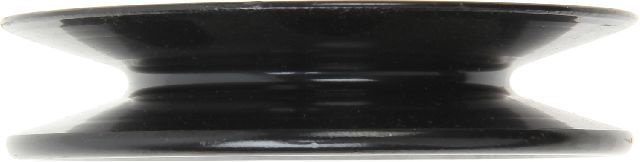
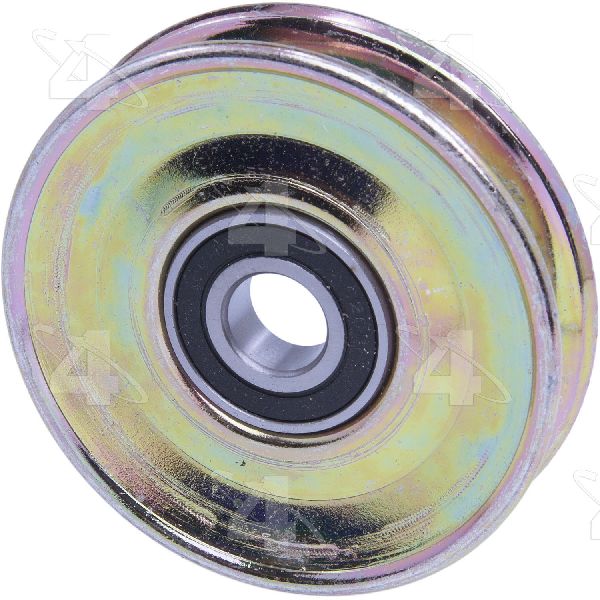
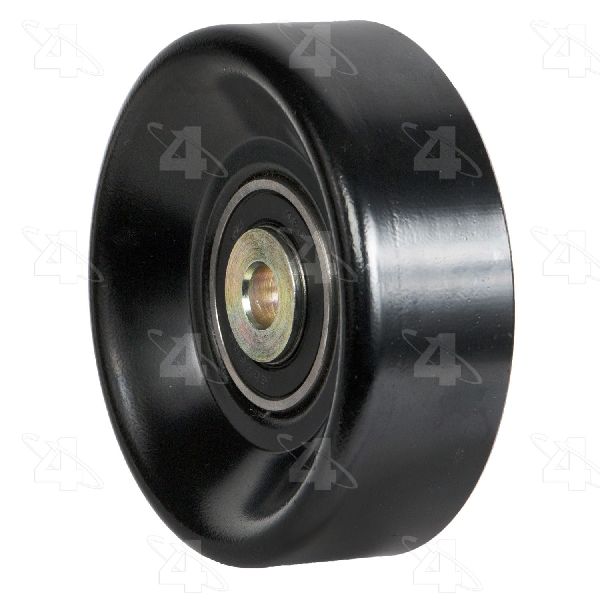
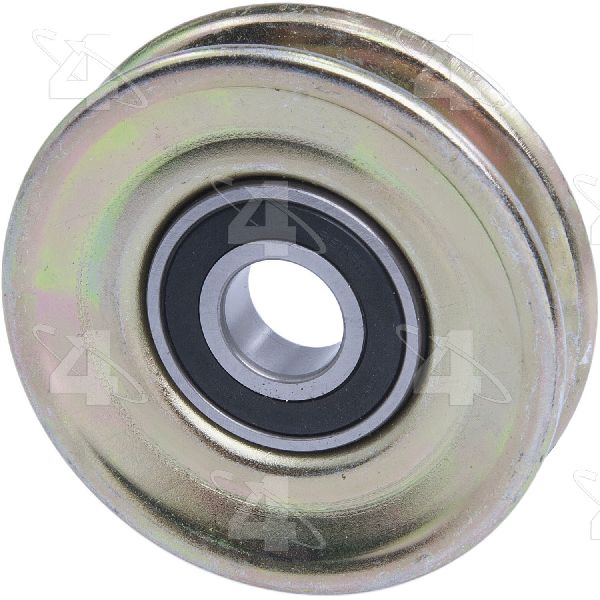
The idler pulley is specific to the engine size (1.5L, 1.6L, 1.8L, or 2.4L) and accessory configuration (with/without A/C, with/without Power Steering). Pulleys are typically made of steel or thermoplastic with a sealed internal bearing.
We Have This Part in Stock

The information in this article is provided for general reference and educational purposes only. Vehicle specifications, procedures, and part compatibility can vary by production date, trim level, and region. Always consult your vehicle's factory service manual and verify part numbers before purchasing or performing repairs. Safety-critical components such as airbags, seat belts, and braking systems should be installed by a qualified professional.
- Eagle Summit: