

Eagle Summit Engine Coolant Temperature Sensor Guide (1989-1996)
Is your Eagle Summit running rough, getting bad gas mileage, or overheating? Your Engine Coolant Temperature Sensor might be the problem.
- A failing ECT sensor commonly causes poor fuel economy, black smoke, rough idle, and potential overheating.
- This is a simple and inexpensive DIY repair for most owners, typically taking less than an hour.
- Your Summit may have two sensors; one for the ECU (which affects performance) and one for the dash gauge.
- Choosing a quality aftermarket brand like Delphi, Standard Ignition, or Hella is a reliable alternative to finding a rare OEM part.
Is Your Summit's Engine Acting Up? It Could Be the Coolant Sensor.
Because the Eagle Summit is a rebadged Mitsubishi Mirage, it shares a simple and reliable engine management system. However, after decades of use, the Engine Coolant Temperature (ECT) sensor can fail. When it does, it sends bad information to your engine's computer, leading to a host of problems. It might tell the computer the engine is always cold, or always hot, regardless of its actual temperature. This guide will help you identify the symptoms, choose the right replacement part, and understand what the repair involves.
A Note on Two-Sensor Systems
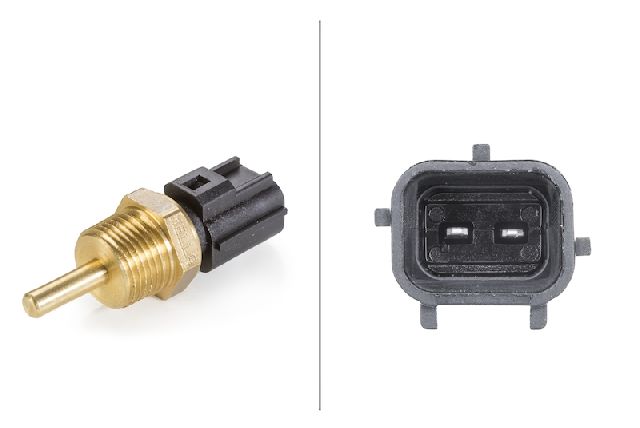
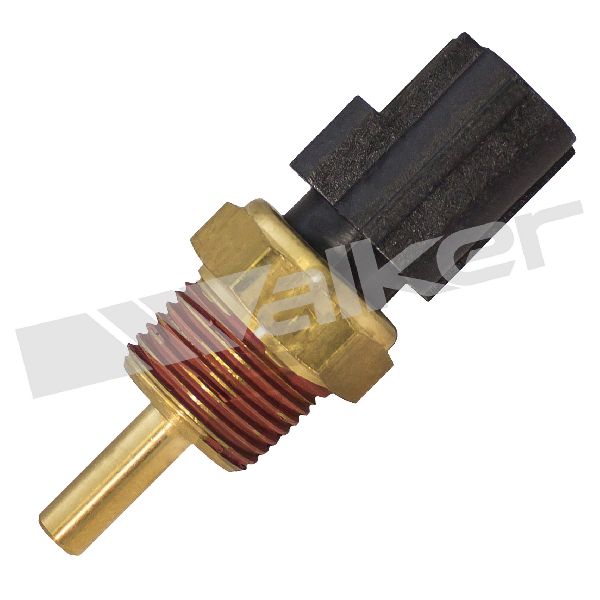
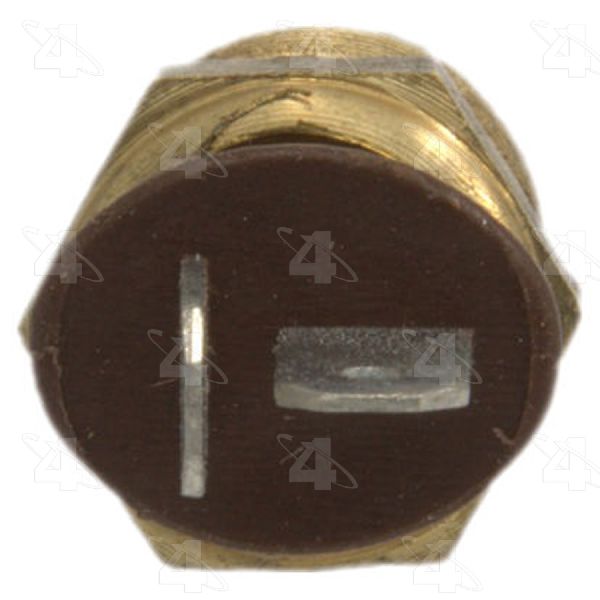
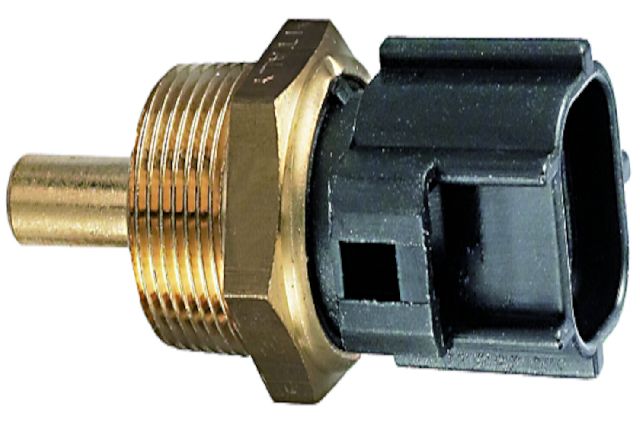
Some gasoline engines in this generation may use two separate coolant temperature sensors. One is a single-pin sensor that sends information only to the temperature gauge on your dashboard. The other is a two-pin sensor that sends critical data to the engine's main computer (ECU). The sensor that affects engine performance is the two-pin sensor for the ECU. Be sure to identify which sensor has failed before ordering a replacement.
Symptoms of a Failing Coolant Temperature Sensor
A bad ECT sensor can cause a variety of issues, from annoying to serious. Here are the most common signs:
- Poor Fuel Economy: If the sensor wrongly tells the computer the engine is cold, the ECU will inject extra fuel, wasting gas.
- Black Smoke from Exhaust: A rich fuel mixture from a bad sensor reading can result in unburned fuel exiting the exhaust as black smoke.
- Engine Overheating: On some models, this sensor helps control the electric cooling fans. If it fails, the fans may not turn on when needed, leading to overheating, especially in traffic.
- Check Engine Light: A faulty sensor will often trigger the Check Engine Light. Common trouble codes on slightly newer but related vehicles include P0115, P0116, and P0117.
- Rough Idle or Stalling: The engine computer relies on the sensor for proper idle control. A bad signal can cause a shaky idle or stalling.
- Hard Starting: The engine needs an accurate temperature reading to start correctly. A bad sensor can make the engine difficult to start, especially when it's already warm.
Choosing the Right Aftermarket Sensor
Original Mitsubishi (OEM) parts for a vehicle of this age can be difficult to find and may not be necessary. The aftermarket offers a wide range of sensors that provide reliable performance. Quality is important, as a cheap, poorly made sensor can fail quickly or be inaccurate out of the box. The brands available can be grouped into tiers.
| Tier | Brands | Quality & Notes |
|---|---|---|
| Premium Aftermarket | Delphi, Hella, Vemo, Standard Ignition (SMP) | These brands are often original equipment suppliers to many automakers or have a long-standing reputation for producing high-quality components that meet or exceed OEM specifications. They are a reliable choice for a long-lasting repair. |
| Quality Aftermarket | Walker Products, Four Seasons, Motorad, Holstein | These are well-regarded aftermarket brands that produce a huge range of parts. They offer a good balance of quality and value, making them a popular choice for most daily-driver repairs. |
| Economy | Global Parts, Facet | These brands provide a budget-friendly option. While functional, they may not have the same long-term durability or precise calibration as premium brands. They can be a suitable choice if the price is a primary concern. |
Known Issues, Recalls, and TSBs
Searches of the National Highway Traffic Safety Administration (NHTSA) database show no recalls or technical service bulletins (TSBs) specifically for the engine coolant temperature sensor on the 1989-1996 Eagle Summit or Mitsubishi Mirage. A recall was issued for some 1991-1996 AWD models for a transfer case lubrication issue, but it is unrelated to this part.
Frequently Asked Questions (FAQ)
Where is the coolant temperature sensor located on the Eagle Summit?
The ECT sensor is typically screwed into the thermostat housing or directly into the cylinder head or engine block nearby. On many Mitsubishi engines from this era, you can find it by following the upper radiator hose to where it connects to the engine. Removing the air filter box and intake hose can make access easier on some models.
Can I replace the ECT sensor myself?
Yes, this is a DIY-friendly job for most home mechanics. It requires basic hand tools, like a deep socket and wrench. The main steps are partially draining the coolant, unplugging the sensor, unscrewing the old part, installing the new one, and refilling the coolant.
Do I need to drain all the coolant to replace the sensor?
No, you don't need to drain the entire system. If the sensor is high up on the engine, you only need to drain a small amount of coolant from the radiator's petcock so the level is below the sensor. This will prevent a big spill when you remove the old sensor.
What is the difference between a temperature 'sensor' and a 'sender'?
Often, the terms are used interchangeably. However, 'sensor' typically refers to the part that sends information to the engine computer (ECU), while 'sender' or 'sending unit' refers to the part that operates the gauge on the dashboard. As mentioned, your Summit may have one of each.
Technical Specifications
OEM Part Numbers: MD177572 MD182467 MD091056 8342087703000
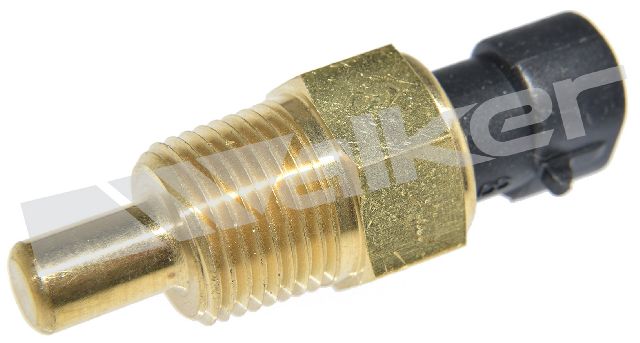
The sensor for the ECU is typically a two-terminal thermistor that changes resistance based on temperature. The sensor for the dashboard gauge is often a single-terminal unit. Both are usually located on or near the thermostat housing.
We Have This Part in Stock


The information in this article is provided for general reference and educational purposes only. Vehicle specifications, procedures, and part compatibility can vary by production date, trim level, and region. Always consult your vehicle's factory service manual and verify part numbers before purchasing or performing repairs. Safety-critical components such as airbags, seat belts, and braking systems should be installed by a qualified professional.
- Eagle Summit:
- 🛍️ Shop This Part
- Is Your Summit's Engine Acting Up? It Could Be the Coolant Sensor.
- A Note on Two-Sensor Systems
- Symptoms of a Failing Coolant Temperature Sensor
- Choosing the Right Aftermarket Sensor
- Known Issues, Recalls, and TSBs
- Frequently Asked Questions (FAQ)
- Where is the coolant temperature sensor located on the Eagle Summit?
- Can I replace the ECT sensor myself?
- Do I need to drain all the coolant to replace the sensor?
- What is the difference between a temperature 'sensor' and a 'sender'?
- 🎟️ Get 5% Off