

Eagle Summit Engine Coolant Thermostat: A Comprehensive Guide (1989-1996)
Keep your Summit's engine temperature in check by understanding, diagnosing, and replacing a faulty thermostat.
- A stuck-closed thermostat is a critical failure that can cause severe engine damage from overheating. Pull over immediately if this happens.
- A stuck-open thermostat is less urgent but will cause poor heating and bad fuel economy. It should be replaced soon.
- For a daily driver, choose a quality aftermarket thermostat from brands like Gates or Beck Arnley with the stock 180°F temperature rating.
- Replacing the thermostat is a simple, low-cost DIY job for most owners, requiring basic tools and less than an hour.
Is Your Eagle Summit's Thermostat Failing?
A bad thermostat can cause serious engine problems, but catching it early is straightforward. Since the Eagle Summit is a rebadged Mitsubishi Mirage, it shares the same simple and generally reliable cooling system. However, age can cause any thermostat to fail. A thermostat typically fails in one of two ways: stuck open or stuck closed.
Symptoms of a Faulty Thermostat
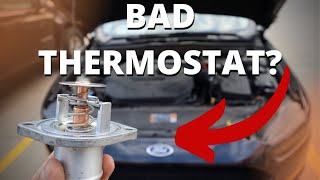
🎬 Watch: A visual guide to common bad thermostat symptoms.Stuck Closed: This is the most dangerous failure. The thermostat blocks coolant from reaching the radiator, causing the engine to overheat quickly. Signs include:
- Temperature gauge rising rapidly into the red zone.
- Steam coming from under the hood.
- Boiling, gurgling, or knocking sounds from the engine area.
- Coolant leaking from the overflow or pressure relief points.
Stuck Open: This is less critical but still needs attention. The thermostat allows coolant to circulate constantly, preventing the engine from reaching its proper operating temperature. Signs include:
- Engine temperature gauge stays on cold or takes a very long time to warm up.
- Heater blows lukewarm or cold air, even when the engine has been running.
- Noticeable decrease in fuel economy over time.
- On newer vehicles, this can trigger a P0128 check engine light code, though this is less common on the 1989-1996 Summit.
Choosing the Right Aftermarket Thermostat
For a vehicle like the 1989-1996 Eagle Summit, original equipment manufacturer (OEM) parts are likely discontinued or very hard to find. Fortunately, the aftermarket offers many reliable options. The key is to choose a quality brand and ensure the temperature rating matches your vehicle's specification, which is typically 180°F for this model.
Aftermarket Brand Tiers for Eagle Summit
| Tier | Brands | Quality & Notes |
|---|---|---|
| Tier 1: OEM Quality | Gates, Beck Arnley | Gates is a top-tier manufacturer of cooling system parts. Beck Arnley specializes in sourcing parts that match original specs, often from the original suppliers. Both are excellent choices for reliability. |
| Tier 2: Reputable Aftermarket | Motorad, Calorstat, Facet | Motorad is a massive thermostat manufacturer that supplies many brands, including some in Gates boxes. They are a solid, standard replacement. Calorstat and Facet are reputable European brands that also produce quality thermostats. |
| Specialty: Performance | Mishimoto | Mishimoto specializes in performance cooling. Their thermostats often open at a lower temperature to keep the engine cooler for racing applications. For a daily driven Summit, it's best to stick with an OE-temperature thermostat unless your engine is heavily modified. |
Replacement Cost
Replacing a thermostat on an Eagle Summit is an inexpensive repair, especially if you do it yourself. The part itself is affordable, and the labor is minimal.
| Item | Estimated Cost |
|---|---|
| New Aftermarket Thermostat | $9.85 - $68.95 |
| Shop Labor | $75 - $150 |
| Total Professional Replacement | $85 - $220 |
Pro Tip: Replace the Gasket!
Always use a new thermostat gasket during installation. Most new thermostats come with one. Do not reuse the old gasket, as it can easily cause a coolant leak. Also, it's a good time to inspect your radiator hoses and consider a coolant flush if the fluid looks old or dirty.
Frequently Asked Questions (FAQ)
Can I replace the Eagle Summit thermostat myself?
Yes, this is a very DIY-friendly job for most home mechanics. The thermostat is typically located where the upper radiator hose connects to the engine. The process involves partially draining the coolant, removing two bolts from the housing, swapping the thermostat and gasket, and then refilling and bleeding the system of air. It usually takes less than an hour.
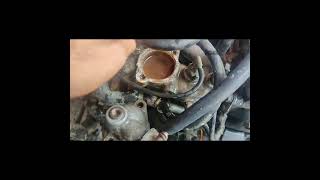
🎬 See this step-by-step replacement walkthrough for the 4g15 engine.What temperature thermostat should I use for my 1989-1996 Eagle Summit?
The standard OE temperature for most Eagle Summit engines (1.5L, 1.8L, 2.4L) is 180°F. It is highly recommended to use a thermostat with this rating to ensure proper engine performance and fuel economy. Using a lower temperature thermostat can prevent the engine from reaching its optimal operating temperature.
Are there any recalls for the Eagle Summit thermostat?
There are no specific recalls listed with the National Highway Traffic Safety Administration (NHTSA) for the engine coolant thermostat on the 1989-1996 Eagle Summit. A recall was issued for 1992-1993 models for a door latch issue, but nothing related to the cooling system was found. Always check for any TSBs (Technical Service Bulletins) which might address common issues without being a full recall.
What is a 'jiggle pin' and is it important?
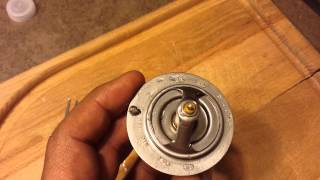
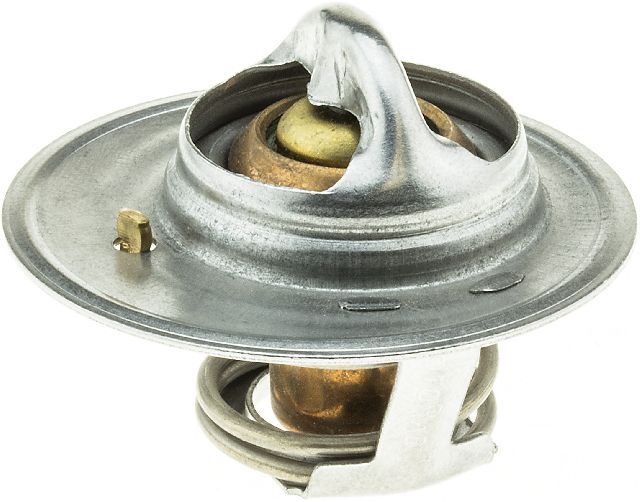
A jiggle pin is a small, movable pin on the flange of some thermostats. Its purpose is to allow trapped air to bleed past the thermostat when the system is being filled with coolant. This helps prevent air pockets that can cause overheating issues. 🎬 Watch: How to properly purge air from your cooling system. If your replacement thermostat has one, it should be installed in the 'up' or 12 o'clock position.
Helpful Videos
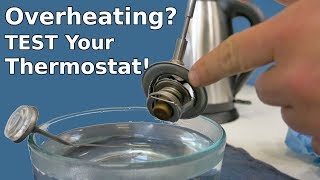
![How To Purge Air Out of a Cooling System! [FREE and DIY Method]](https://img.youtube.com/vi/JEv8bC4S6UI/mqdefault.jpg)
Technical Specifications
OEM Part Numbers: MD972905 MD997603 MD997680
Standard Temperature: 180°F (82°C)
We Have This Part in Stock


The information in this article is provided for general reference and educational purposes only. Vehicle specifications, procedures, and part compatibility can vary by production date, trim level, and region. Always consult your vehicle's factory service manual and verify part numbers before purchasing or performing repairs. Safety-critical components such as airbags, seat belts, and braking systems should be installed by a qualified professional.
- Eagle Summit: