

Choosing the Right Oxygen Sensor for Your 1989-1996 Eagle Summit
A failing oxygen sensor can hurt your fuel economy and performance; here's how to pick the right replacement.
- A bad oxygen sensor will decrease fuel economy and cause poor engine performance.
- For best results, choose a direct-fit sensor from an OEM-quality brand like Denso or NGK/NTK.
- No recalls or specific TSBs are on file for the oxygen sensor for this vehicle.
- Replacement is DIY-friendly, but the old sensor can be seized by rust, requiring a special tool and effort to remove.
Is Your Eagle Summit's Oxygen Sensor Failing?
An oxygen sensor is a critical part of your engine's management system. When it starts to fail, it can't send accurate information to the engine's computer. This forces the computer to guess how much fuel to add, which usually results in poor engine performance and higher fuel consumption. Because these sensors live in the hot, dirty exhaust stream, they wear out over time and need to be replaced.
Symptoms of a Bad Oxygen Sensor
A bad O2 sensor can cause several noticeable problems. The most common sign is the Check Engine Light turning on. Other symptoms you might experience include:
- Noticeably worse gas mileage
- Engine running rough, hesitating, or stalling
- A strong smell of gasoline or rotten eggs from the exhaust
- Black smoke coming from the tailpipe
- Failing an emissions test
Check Engine Light Codes
If your Check Engine Light is on, a code scanner can help confirm if the O2 sensor is the problem. Common codes for oxygen sensor issues range from P0130 to P0167.
Choosing the Right Aftermarket Oxygen Sensor
Since the Eagle Summit is a rebadged Mitsubishi, using parts from brands that specialize in Japanese vehicles is a smart move. Not all aftermarket brands are created equal.
Tier 1: OEM Quality
These brands are known to be Original Equipment (OE) suppliers for many Japanese automakers and offer the best quality and reliability.
- Denso: Denso is widely considered the original equipment manufacturer for many Mitsubishi vehicles. Choosing a Denso sensor is the closest you can get to buying a genuine factory part, ensuring perfect fit and function.
- NGK/NTK: NGK (under their sensor brand NTK) is another top-tier OE supplier known for excellent quality and durability. They are a highly recommended alternative to Denso.
Tier 2: Quality Aftermarket
These brands are well-respected in the aftermarket and offer a good balance of quality and price.
- Bosch: Bosch invented the automotive oxygen sensor and has a long-standing reputation for quality. While some mechanics prefer sticking to Denso or NGK for Japanese cars, Bosch is a reliable choice.
- Delphi: Delphi is a major parts supplier with a reputation for producing reliable components that meet or exceed OE specifications.
Tier 3: Economy Options
These brands provide a budget-friendly solution, but may not offer the same longevity or precision as higher-tier brands.
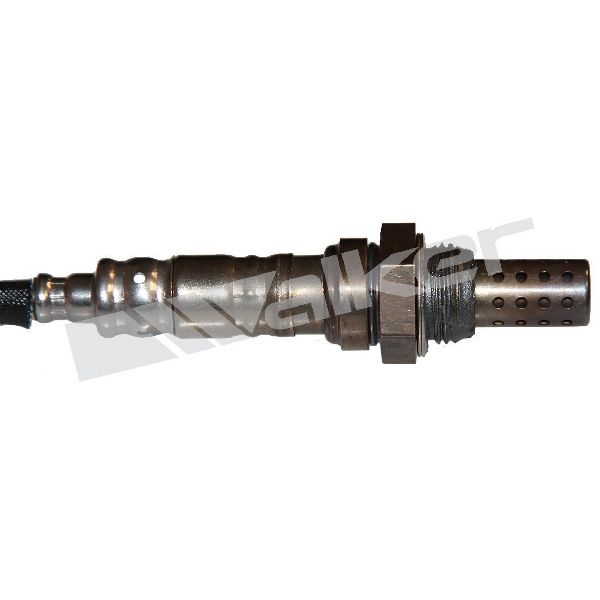
- Walker Products, Spectra, DriveWire: These brands are common in the aftermarket. While functional, some forum users have reported shorter lifespans or issues with budget sensors. They can be a viable option if budget is the primary concern, but may need to be replaced sooner.
Direct-Fit vs. Universal Sensors
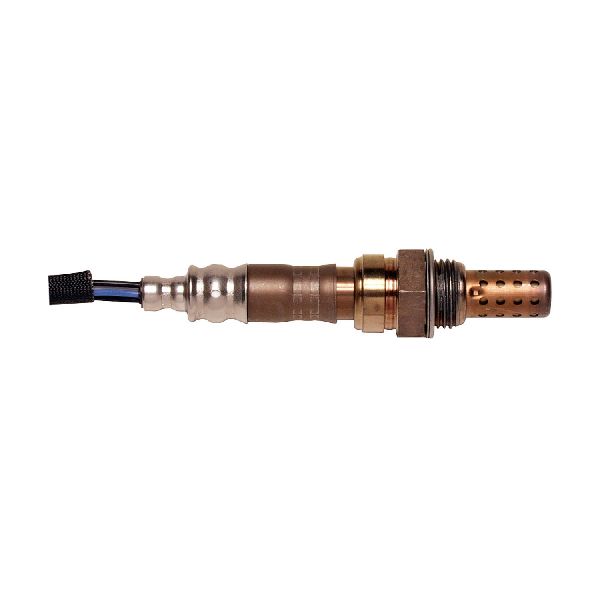
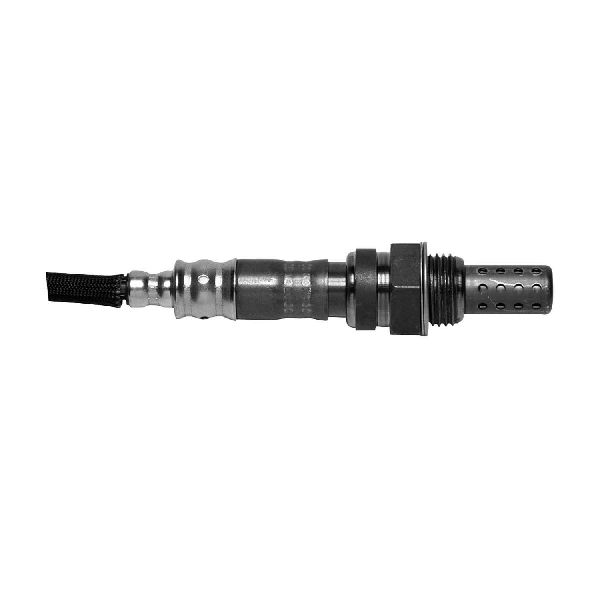
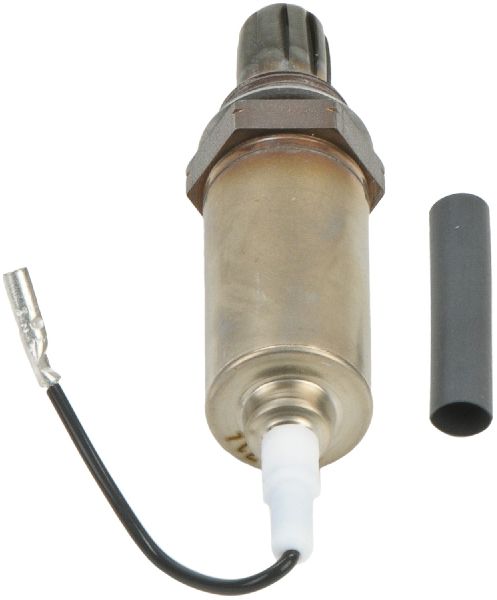
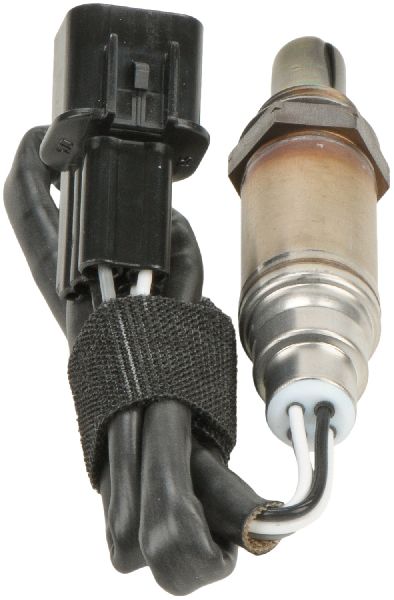
You will see both "direct-fit" and "universal" sensors available. A direct-fit sensor comes with the correct plug for your vehicle and is highly recommended for an easy installation. A universal sensor requires you to cut the old plug off and splice it onto the new sensor's wires. While cheaper, this adds complexity and a potential point of failure if not done correctly.
Estimated Costs for Oxygen Sensor Replacement (1989-1996 Eagle Summit)
| Part Type | Estimated Cost |
|---|---|
| New Aftermarket (Premium: Denso, NGK) | $45 - $110 |
| New Aftermarket (Economy) | $22 - $45 |
| Shop Labor | $60 - $120 |
Frequently Asked Questions
Can I replace the oxygen sensor myself?
Yes, this is a job many DIYers can handle. The sensor simply unscrews from the exhaust pipe. However, they can be very difficult to remove if they are rusted in place. Using a special oxygen sensor socket and letting the exhaust cool down completely before starting is recommended. Applying penetrating oil beforehand can also help.
Where is the oxygen sensor located on my Eagle Summit?
Your Eagle Summit will have at least one oxygen sensor, located in the exhaust system before the catalytic converter (called the "upstream" sensor). Some later models may have a second sensor after the catalytic converter ("downstream"). The upstream sensor is the one that controls the air-fuel mixture and is the most common one to fail.
Are there any recalls for the Eagle Summit oxygen sensor?
No, searches of the National Highway Traffic Safety Administration (NHTSA) database did not find any recalls or technical service bulletins (TSBs) specifically for the oxygen sensor on the 1989-1996 Eagle Summit.
Should I replace my O2 sensor as preventative maintenance?
Older, unheated oxygen sensors had a recommended replacement interval of around 30,000 to 50,000 miles. While modern heated sensors last much longer, they do degrade over time. If your Summit has high mileage and the original sensor, replacing it can restore lost fuel economy and performance even if the check engine light isn't on yet.
Technical Specifications
Varies by engine and model year. Most are 1, 2, or 4-wire heated or unheated sensors. A direct-fit model is recommended to ensure correct wire count and connector type.
We Have This Part in Stock


The information in this article is provided for general reference and educational purposes only. Vehicle specifications, procedures, and part compatibility can vary by production date, trim level, and region. Always consult your vehicle's factory service manual and verify part numbers before purchasing or performing repairs. Safety-critical components such as airbags, seat belts, and braking systems should be installed by a qualified professional.
- Eagle Summit:
- 🛍️ Shop This Part
- Is Your Eagle Summit's Oxygen Sensor Failing?
- Symptoms of a Bad Oxygen Sensor
- Check Engine Light Codes
- Choosing the Right Aftermarket Oxygen Sensor
- Tier 1: OEM Quality
- Tier 2: Quality Aftermarket
- Tier 3: Economy Options
- Direct-Fit vs. Universal Sensors
- Estimated Costs for Oxygen Sensor Replacement (1989-1996 Eagle Summit)
- Frequently Asked Questions
- 🎟️ Get 5% Off