

1989-1996 Eagle Summit Radiator Coolant Hose Replacement Guide
Keep your Eagle Summit's engine cool and prevent breakdowns by knowing when and how to replace your radiator hoses.
- No specific recalls or TSBs were found for the radiator hoses on the 1989-1996 Eagle Summit; failures are due to age.
- Reputable aftermarket brands like Gates, Dayco, and Continental are the standard, reliable choice for this vehicle.
- Always replace hoses that are cracked, bulging, leaking, or feel spongy or brittle to the touch.
- It is highly recommended to replace both upper and lower hoses at the same time, along with the hose clamps.
Signs of a Failing Radiator Hose
Radiator hoses are wear items. Made of rubber, they break down over time from heat and pressure. For your 1989-1996 Eagle Summit, it's important to inspect the hoses regularly. Don't wait for them to fail. Look for these warning signs:
- Visible Damage: Check for cracks, splits, or abrasions on the hose surface. Look for bulges or swelling, which indicates the hose is weak and could burst soon.
- Coolant Leaks: This is the most obvious sign. You may see puddles of green, yellow, or orange fluid under your car, or notice a sweet smell after driving. Sometimes you can see dried coolant crust around the hose connections.
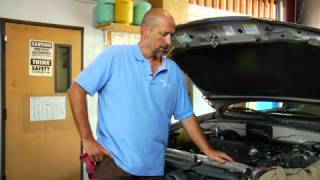
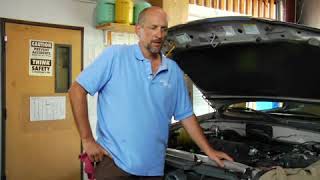
- Spongy or Hard Hoses: When the engine is cool, squeeze the hoses. They should be firm but flexible. If a hose feels mushy, spongy, or rock-hard and brittle, it's time for a replacement. 🎬 Watch: How to check your radiator hoses for damage. A soft feel can indicate internal deterioration.
- Engine Overheating: If your Summit's temperature gauge starts climbing into the red, a failing radiator hose could be the cause. A leak or a collapsed hose can prevent coolant from circulating properly, leading to overheating.
- Steam from Engine Bay: If you see steam coming from under the hood, pull over immediately. This often means a hose has burst and is spraying hot coolant onto the engine.
Choosing the Right Aftermarket Hoses
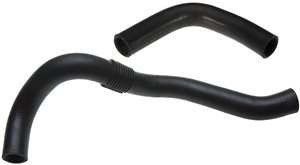
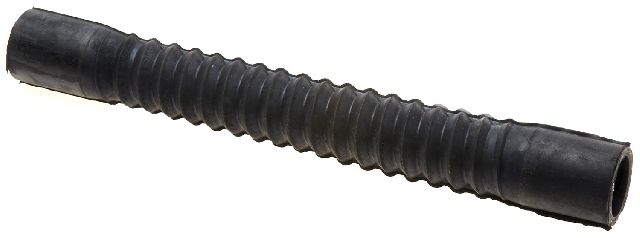
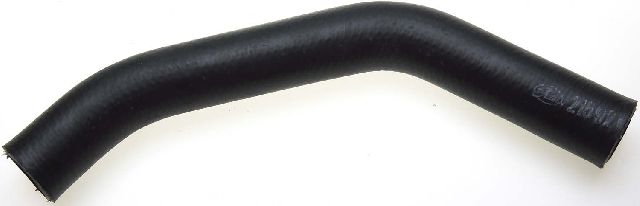
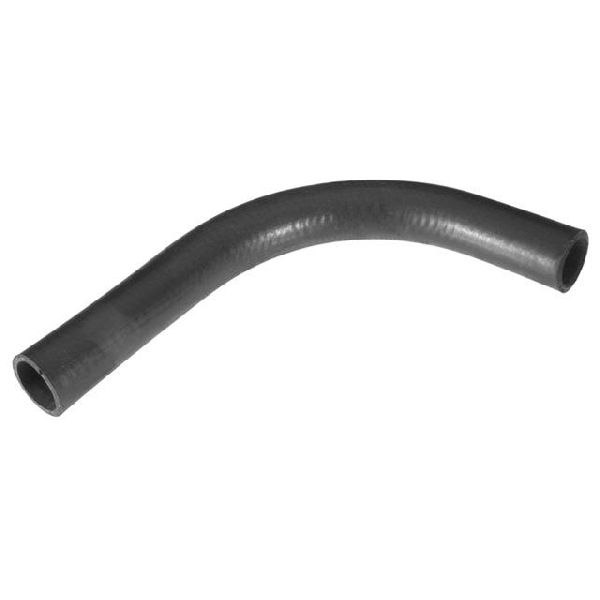
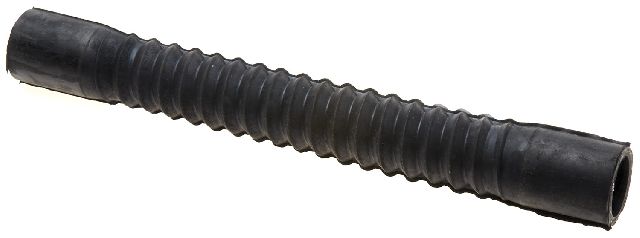
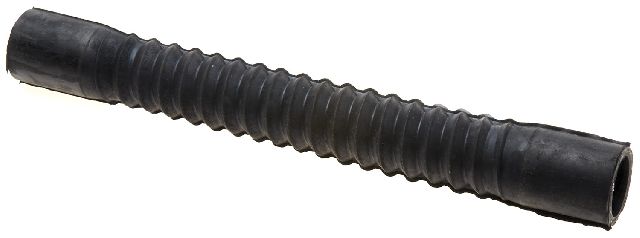
For a vehicle like the 1989-1996 Eagle Summit, original equipment manufacturer (OEM) hoses are likely discontinued and difficult to find. The good news is that several reputable aftermarket brands produce high-quality replacements that meet or exceed original specifications. Brands like Gates, Dayco, and Continental are well-regarded in the automotive community for their reliability. You can confidently choose any of these brands for your Summit. The most important factor is ensuring you buy the correct molded hose for your specific engine (either the 1.5L, 1.8L, or 2.4L) to ensure a perfect fit without kinks or stress.
Replacement Cost
Replacing radiator hoses is a relatively inexpensive but critical maintenance job. The parts themselves are affordable, and the labor is straightforward for a mechanic.
| Item | Estimated Cost |
|---|---|
| New Aftermarket Hoses (Upper & Lower) | $21.46 - $44.58 |
| Shop Labor | $100 - $250 |
| Total Estimated Cost | $121 - $295 |
Pro Tip: It's a good practice to replace the radiator cap and hose clamps at the same time you replace the hoses. It's also a great time to flush the cooling system and add new coolant.
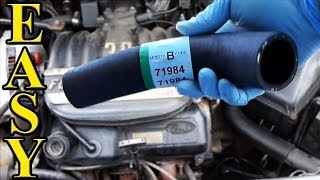
🎬 Watch: How to flush and change your coolant properly.Frequently Asked Questions
Are there any recalls for Eagle Summit radiator hoses?
No, there are no specific recalls or technical service bulletins (TSBs) from the NHTSA related to radiator coolant hoses for the 1989-1996 Eagle Summit. Failures are typically due to normal age and wear.
Should I replace both hoses at the same time?
Yes. If one hose is failing due to age, the other is likely not far behind. Since you have to drain the coolant to replace one hose, it is more efficient and safer to replace the upper and lower hoses (and bypass hoses, if applicable) at the same time.
How often should I replace my radiator hoses?
As a general rule for older vehicles, it's wise to inspect your hoses at every oil change and consider replacing them every 4 to 5 years as preventative maintenance, regardless of their appearance.
Can I perform this replacement myself?
Yes, for a DIYer with some experience, this is a manageable job. It requires basic hand tools, a drain pan, and the ability to safely work on your vehicle. The main steps involve draining the coolant, removing the old hoses and clamps, installing the new ones, and then refilling and bleeding the air from the cooling system.
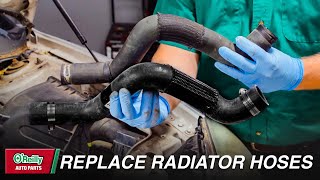
🎬 See this walkthrough on replacing upper and lower radiator hoses.Helpful Videos

Technical Specifications
The Eagle Summit requires molded EPDM rubber hoses. The exact shape and diameter depend on the engine installed (1.5L, 1.8L, or 2.4L L4). Ensure you purchase the correct part number for your specific engine to guarantee fitment.
We Have This Part in Stock

The information in this article is provided for general reference and educational purposes only. Vehicle specifications, procedures, and part compatibility can vary by production date, trim level, and region. Always consult your vehicle's factory service manual and verify part numbers before purchasing or performing repairs. Safety-critical components such as airbags, seat belts, and braking systems should be installed by a qualified professional.
- Eagle Summit: