

Your Guide to the 1989-1996 Eagle Summit Throttle Position Sensor
Solving rough idling and poor acceleration in your Summit starts with understanding this critical sensor.
- Symptoms like rough idle, hesitation, and poor acceleration are strong indicators of a failing TPS.
- No recalls or TSBs are specifically for the TPS on this vehicle; failures are from age and wear.
- Quality aftermarket brands like Standard Ignition are a reliable and cost-effective alternative to hard-to-find OEM parts.
- Before replacing, clean the throttle body and check the wiring, as this can sometimes resolve the issue.
Is Your Eagle Summit's Throttle Position Sensor Failing?
A faulty Throttle Position Sensor (TPS) can cause a range of frustrating engine problems. Because the TPS sends incorrect information to the engine computer, the air-fuel mixture can be thrown off, leading to poor performance. Since the Eagle Summit is a rebadged Mitsubishi Mirage or Expo, these symptoms are common across all versions of the vehicle.
Top 5 Failure Symptoms:
- Rough or High Idle: The engine may idle erratically, surge, or stall when you come to a stop.
- Hesitation and Stalling: When you press the gas, the car might hesitate, buck, or even stall completely because the computer is getting bad data.
- Poor Acceleration: Your Summit may feel sluggish and lack power, struggling to get up to speed.
- Check Engine Light: A failing TPS will often trigger the check engine light. Common codes include P0120, P0121, P0122, P0123, and P0124.
- Automatic Transmission Problems: On automatic models, a bad TPS signal can cause harsh, late, or jerky shifting.
Known Issues for the 1989-1996 Eagle Summit
No specific recalls or Technical Service Bulletins (TSBs) have been issued by the NHTSA for the throttle position sensor on the 1989-1996 Eagle Summit. Problems are typically due to normal wear and tear on this electronic component.
Choosing the Right Aftermarket TPS
For an older vehicle like the Eagle Summit, finding a new original equipment (OEM) sensor from a dealer can be difficult and very expensive. The aftermarket offers several good alternatives at different price points.
| Brand Tier | Brands | General Quality & Price |
|---|---|---|
| Premium Aftermarket | Standard Ignition (SMP) | Often considered an OEM-equivalent. Standard has a long reputation for making reliable sensors that fit and perform correctly. They are a trusted choice for a long-term repair. Avoid their lower-cost "T-Series" line if possible. |
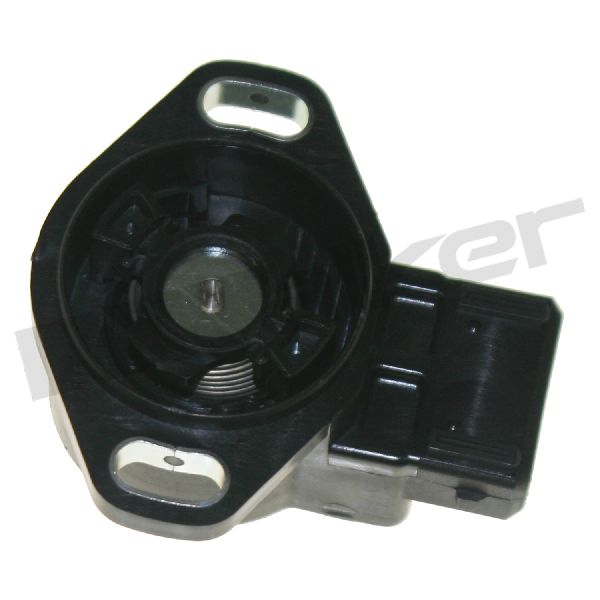
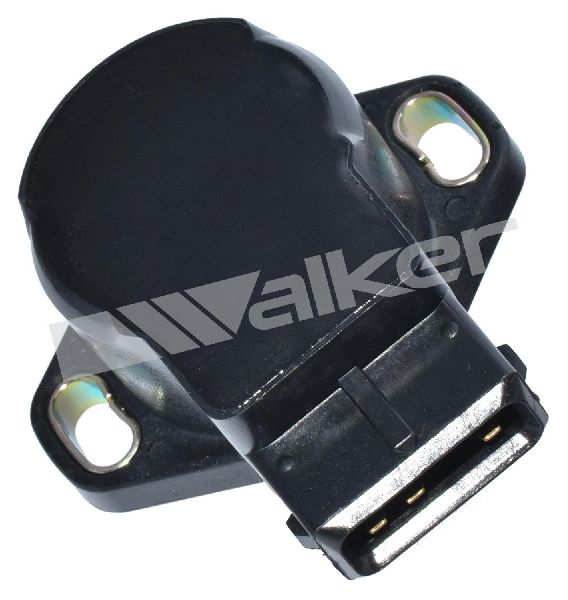
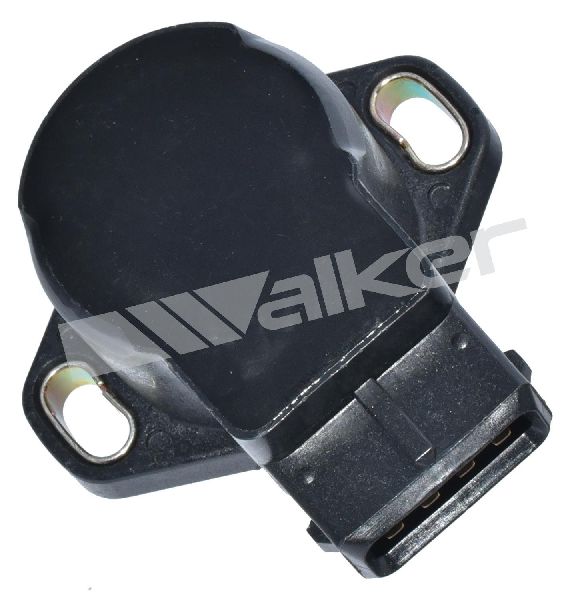
| Standard Aftermarket | Walker Products | Walker is another established brand that produces a wide range of sensors. They aim for OEM quality, though some user feedback can be mixed. They generally offer a good balance of price and performance. |
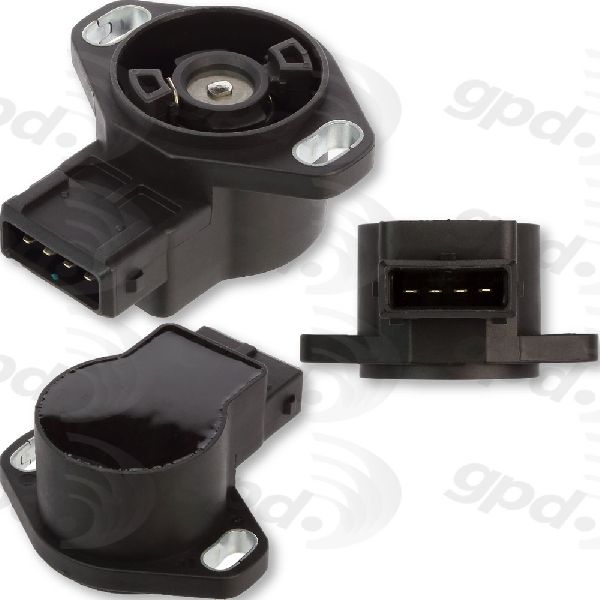
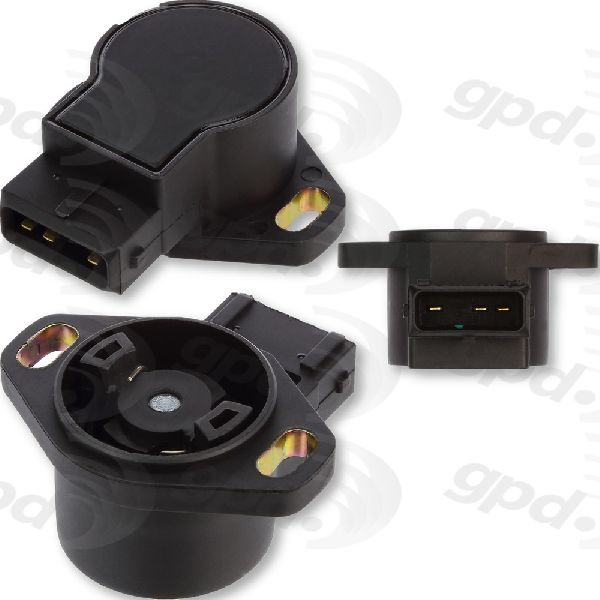
| Economy | Global Parts, Replacement | These brands represent the most budget-friendly options. They are typically generic or private-label parts that will get the job done, but may not have the same long-term durability or precise calibration as higher-tier brands. They can be a viable option for a quick or low-cost repair. |
Pro Tip: Check the Whole Throttle Body
Before replacing the sensor, it's a good idea to clean the throttle body. Carbon buildup can cause the throttle plate to stick, which can mimic the symptoms of a bad TPS. A simple cleaning might solve your problem without needing a new part.
Frequently Asked Questions
Is it hard to replace an Eagle Summit TPS?
For someone with basic mechanical skills, it's a fairly easy job. The sensor is located on the side of the throttle body and is usually held on by two screws. The main challenges are accessing it and potentially needing to adjust the new sensor. The replacement itself often takes less than an hour.
Does a new TPS need to be adjusted or calibrated?
Sometimes, yes. Some replacement sensors for this era of vehicle require manual adjustment. This involves rotating the sensor slightly before tightening the screws to set a specific voltage reading at idle (checked with a multimeter). Other times, the car's computer can relearn the new sensor by following a specific procedure, like disconnecting the battery for 30 minutes or a sequence of turning the key on and off.
What is the difference between an OEM and aftermarket TPS?
An OEM (Original Equipment Manufacturer) part is made by the same company that supplied Mitsubishi/Eagle. Aftermarket parts are made by other companies. For the Summit, high-quality aftermarket brands like Standard Ignition often provide performance and longevity that is very close to the original. Given the age of the vehicle, a quality aftermarket part is usually the most practical and cost-effective choice.
Could something else cause TPS error codes?
Yes. A dirty throttle body, vacuum leaks, or wiring issues between the sensor and the computer can sometimes cause similar symptoms or trigger a TPS-related code. It's always good to check the sensor's wiring connector for corrosion or damage before replacing the part.
Technical Specifications
OEM Part Numbers: MD614488 MD614662 MD614697
Typically a 4-pin, blade-style connector. The sensor is a potentiometer that translates the throttle plate's rotation into a variable voltage signal for the ECU.
We Have This Part in Stock


The information in this article is provided for general reference and educational purposes only. Vehicle specifications, procedures, and part compatibility can vary by production date, trim level, and region. Always consult your vehicle's factory service manual and verify part numbers before purchasing or performing repairs. Safety-critical components such as airbags, seat belts, and braking systems should be installed by a qualified professional.
- Eagle Summit: