

Ford Bronco Accessory Drive Belt Guide (1989-1996)
Everything you need to know before replacing the serpentine belt on your 5th Generation Ford Bronco.
- A failing belt will cause squealing noises, visible cracking, and eventually lead to loss of power steering and alternator function.
- If the belt breaks, the engine will overheat quickly. Pull over immediately.
- Verify the correct belt length for your Bronco's specific engine (4.9L, 5.0L, or 5.8L) and A/C configuration before ordering.
- Always inspect the belt tensioner and idler pulleys when replacing the belt and replace them if they show any signs of wear or noise.
Signs of a Failing Accessory Drive Belt
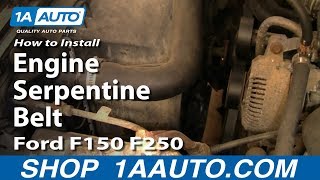
A drive belt is a wear item, meaning it needs to be replaced over time. On a Ford Bronco from this era, you should inspect the belt regularly. Look for visible signs of wear like cracks, fraying, missing ribs, or a glazed, shiny appearance. You might also hear symptoms, such as a loud squealing or chirping noise from the engine bay, especially on startup or when accelerating. 🎬 Watch: How to diagnose and replace a squeaking serpentine belt. This noise often indicates the belt is slipping. If accessories like your power steering or A/C begin to work intermittently, or if your battery light comes on, it could be due to a loose or failing belt.
Critical Failure Warning
If the accessory drive belt breaks completely, your Bronco will lose power steering, the alternator will stop charging the battery, and the water pump will stop circulating coolant. This will cause the engine to overheat quickly, potentially leading to severe engine damage. If your belt breaks, pull over immediately and shut off the engine.
Choosing the Right Aftermarket Belt
When it's time for a replacement, you have a choice between OEM (Original Equipment Manufacturer) parts from Ford (Motorcraft) and aftermarket parts from brands like ACDelco and Bando.
- OEM / Motorcraft: These are the parts your Bronco was built with. They guarantee a perfect fit and are known for their longevity. However, they are often the most expensive option.
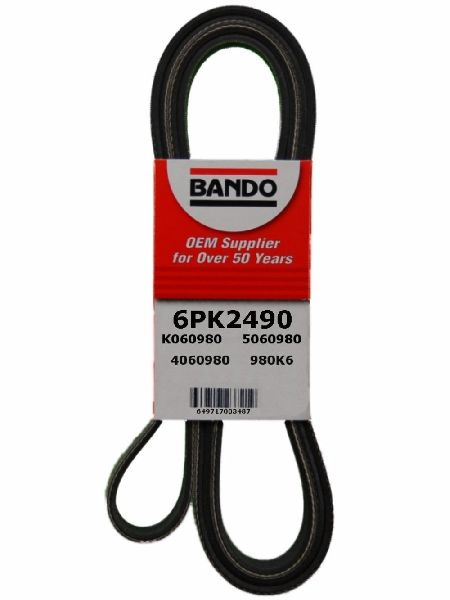
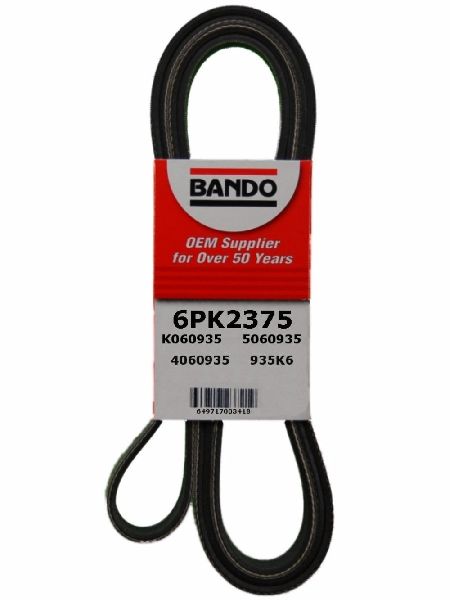
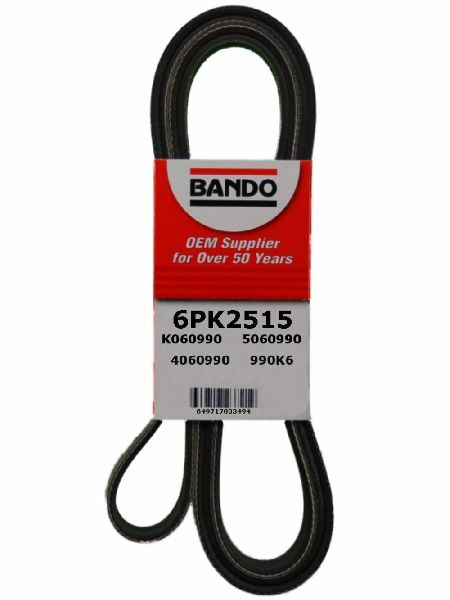
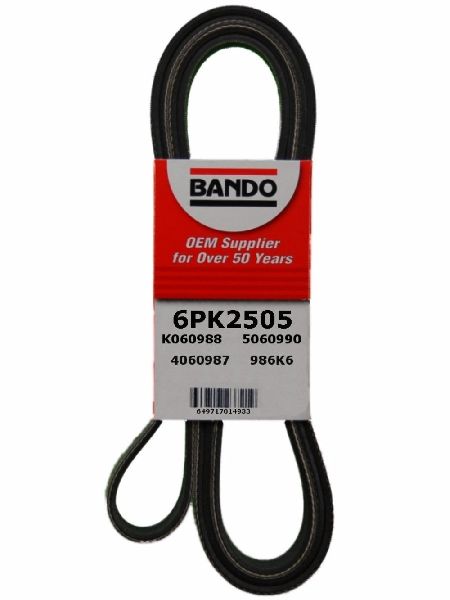
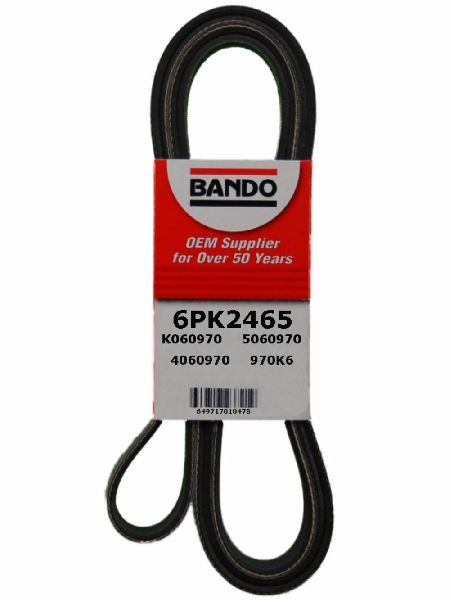
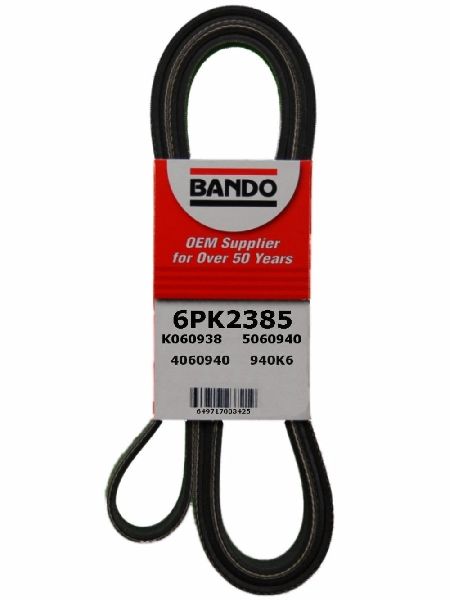
- Premium Aftermarket (ACDelco, Bando): Reputable aftermarket brands like ACDelco and Bando are excellent alternatives. Bando is a known OEM supplier for many car manufacturers, and their aftermarket belts are often identical to the OEM version but at a lower price. ACDelco is also known for producing high-quality, durable belts that meet or exceed OEM specifications. For a daily driver or work truck, a premium aftermarket belt offers the best balance of quality and value.
Pro-Tip: While replacing the belt, it's a great time to inspect the belt tensioner and idler pulleys. These components can also wear out and cause belt noise or premature failure. A worn tensioner is a common cause of belt problems. Spinning the pulleys by hand should be smooth and silent; any noise or wobble means they should be replaced at the same time.
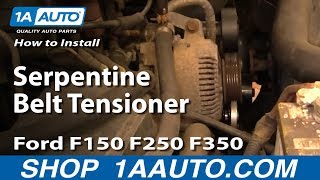
🎬 See this walkthrough for replacing your tensioner and idler pulleys.Common Ordering Mistakes
The biggest mistake when ordering a belt for the 1989-1996 Bronco is getting the wrong length. Belt length can vary based on:
- Engine Size: The 4.9L I6, 5.0L V8, and 5.8L V8 engines may require different belts.
- Model Year: There were changes to the accessory drive system during these years. For example, a 1992 model may use a different belt than a 1993-1996 model with the same engine.
- With or Without A/C: Trucks without air conditioning use a shorter belt.
Always verify the correct part number for your specific vehicle configuration before ordering. Check the belt routing diagram, which is often on a decal under the hood.
Frequently Asked Questions (FAQ)
How often should I replace my Bronco's accessory drive belt?
As a general rule, serpentine belts should be inspected regularly and replaced every 60,000 to 100,000 miles, or as soon as they show signs of significant wear like cracking or fraying. Given the age of these vehicles, it's wise to replace it based on condition rather than just mileage.
Is it hard to replace the accessory drive belt myself?
For a 1989-1996 Bronco, this is a very DIY-friendly job. It requires basic hand tools, primarily a ratchet or breaker bar to release the spring-loaded tensioner, allowing you to slip the old belt off and the new one on. The most important part is ensuring the new belt is routed correctly around all the pulleys.
🎬 Watch: Step-by-step guide to replacing the belt on your Ford.What's the difference between a serpentine belt and a V-belt?
Your 1989-1996 Bronco uses a single, wide serpentine belt with multiple ribs. Older vehicles used multiple, individual V-belts to run accessories. Serpentine systems are more efficient and reliable but rely on a single belt, so its failure disables all accessories at once.
Should I replace the belt tensioner at the same time?
It is highly recommended. The tensioner is a spring-loaded pulley that keeps the belt tight. It wears out over time and a weak tensioner can cause a new belt to slip, squeal, or wear out prematurely. Replacing them together is cheap insurance and saves you from doing the job twice.
Helpful Videos

Technical Specifications
OEM Part Numbers: F2TZ-8620-E E8TZ-8620-D
This vehicle uses a multi-ribbed (serpentine) belt. The specific length and number of ribs vary depending on the engine (4.9L, 5.0L, 5.8L) and whether the vehicle is equipped with air conditioning. A spring-loaded automatic tensioner is used to maintain belt tension.
We Have This Part in Stock

The information in this article is provided for general reference and educational purposes only. Vehicle specifications, procedures, and part compatibility can vary by production date, trim level, and region. Always consult your vehicle's factory service manual and verify part numbers before purchasing or performing repairs. Safety-critical components such as airbags, seat belts, and braking systems should be installed by a qualified professional.
- Ford Bronco: