

Ford Bronco Automatic Transmission Mount Guide (1989-1996)
Diagnose and fix the clunks and vibrations from a bad transmission mount on your 4th generation Bronco.
- The most common symptoms of failure are clunking noises when shifting and excessive vibration in the cabin.
- Replacement is a straightforward DIY job that does not require removing the transmission crossmember.
- Use a floor jack with a block of wood on the transmission pan to support the weight during replacement.
- Since OEM parts are unavailable, choose a quality aftermarket brand like Pioneer for better longevity, or inspect economy brands carefully before installation.
Symptoms of a Failing Transmission Mount
When the rubber in your Bronco's transmission mount wears out, cracks, or separates from the metal plates, it can no longer do its job. This failure results in several distinct and annoying symptoms.
- Clunking or Thumping Noises: This is the most common sign. You will likely hear a loud clunk or bang when you shift from Park into Drive or Reverse. The noise can also happen when you accelerate hard or let off the gas suddenly, as the loose transmission assembly slams forward or backward.
- Excessive Vibrations: A bad mount can't absorb drivetrain vibrations. You may feel a new, persistent vibration in the floor, your seat, or even the steering wheel. This is often most noticeable at idle or during acceleration.
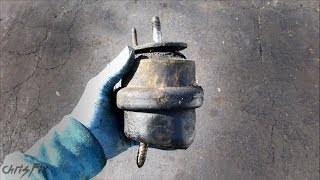
- Visible Drivetrain Movement: In severe cases, the movement is so excessive you can see it. Have a helper stand safely to the side while the vehicle is in Drive with the parking brake on and the regular brakes held firmly. A light tap on the accelerator may cause the entire engine and transmission to lurch noticeably, which is a clear sign of a failed mount. 🎬 Watch: How to diagnose a bad motor or transmission mount
Is It Safe to Drive?
You can drive with a failing transmission mount, but it is not recommended. Continued driving puts significant stress on your engine mounts, U-joints, driveshaft, and even exhaust connections, which can lead to more expensive repairs down the road.
Choosing the Right Aftermarket Mount
Since Ford no longer produces original transmission mounts for this generation of Bronco, you will be choosing from aftermarket brands. These parts are generally affordable, but quality can vary. They can be grouped into two main tiers.
Good: Economy Brands
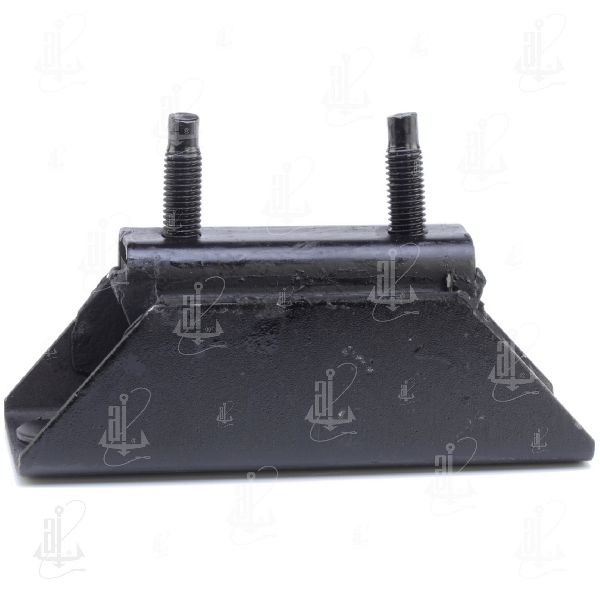
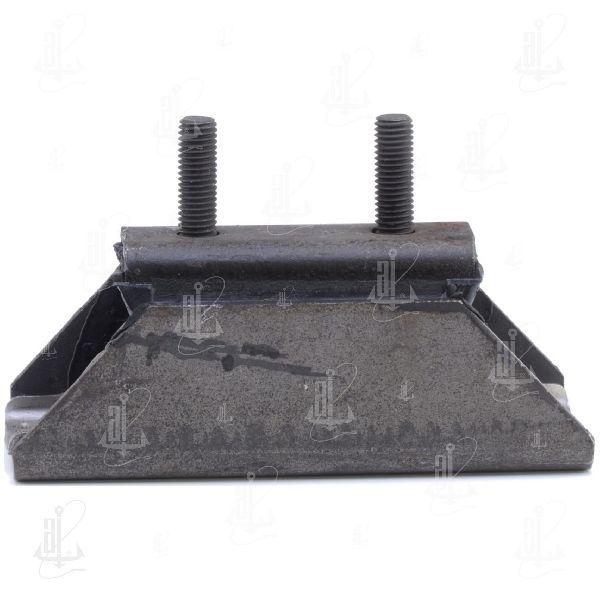
Brands like Anchor, DEA, and Westar are widely available and are the most budget-friendly options. Forum discussions among vehicle owners show mixed experiences; some find them to be acceptable for the price, while others report issues with poor fitment or premature failure compared to the original part. These mounts will work to solve immediate issues like clunking, but their long-term durability can be a concern.
Better: OE-Style Brands
Brands like Pioneer often have a better reputation for quality and fit. Forum users have noted that Pioneer's mounts can be difficult to tell apart from the original factory parts, suggesting a higher standard of manufacturing. While they may cost a few dollars more, opting for a higher-quality OE-style replacement can provide better vibration absorption and a longer service life.
Pro Tip: Regardless of the brand you choose, always inspect the new mount out of the box. Check for any defects in the rubber and ensure the metal plates and bolt holes look correct before you begin the installation.
Cost to Replace a 1989-1996 Bronco Transmission Mount
| Item | Estimated Cost |
|---|---|
| New Aftermarket Mount | $20 - $45 |
| Shop Labor | $150 - $225 |
| Total Estimated Cost | $170 - $270 |
Frequently Asked Questions (FAQ)
Is this a difficult job to do myself?
No, this is a very DIY-friendly job for someone with basic tools. The difficulty is typically rated low, around a 2 out of 5. It involves supporting the transmission, removing a few bolts, and swapping the part. The entire process can usually be done in about 1.5 hours.
🎬 See this step-by-step transmission mount replacement walkthroughHow do I safely support the transmission for the replacement?
The common and accepted method is to use a standard floor jack with a block of wood placed between the jack and the transmission oil pan. The wood spreads the load and prevents damage to the pan. You only need to jack the transmission up about an inch, just enough to take the weight off the mount.
Are the engine mounts and transmission mount the same?
No, they are different parts, but they work together. The engine mounts support the front of the drivetrain, while the transmission mount supports the rear. When a transmission mount fails, it puts extra stress on the engine mounts, and it's common for them to wear out around the same time. It's a good idea to inspect your engine mounts when you replace the transmission mount.
🎬 Learn how to replace both motor and transmission mountsAre there any recalls for the Bronco transmission mount?
No, there are no specific recalls or Technical Service Bulletins (TSBs) from Ford or the NHTSA for the transmission mount on the 1989-1996 Ford Bronco. There was a historical investigation into Ford transmissions from this era slipping from 'Park' to 'Reverse', but this was an internal transmission issue and not related to the mount itself.
Helpful Videos
Technical Specifications
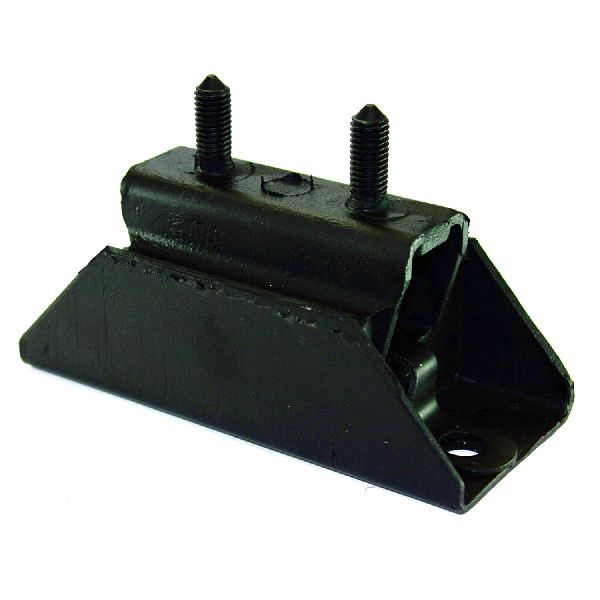
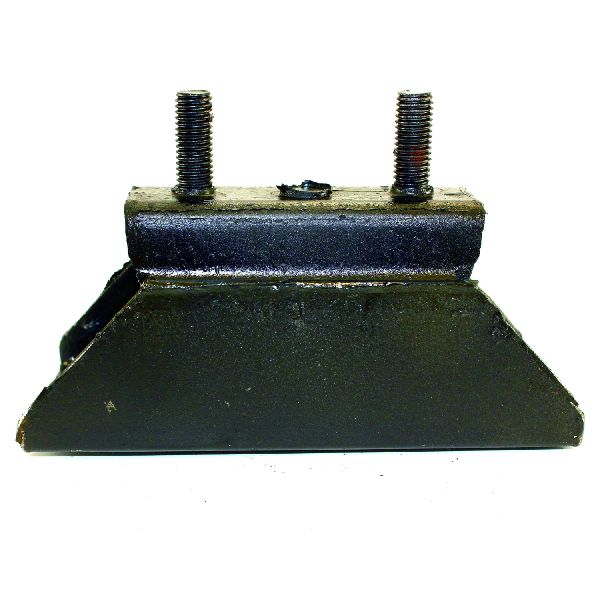
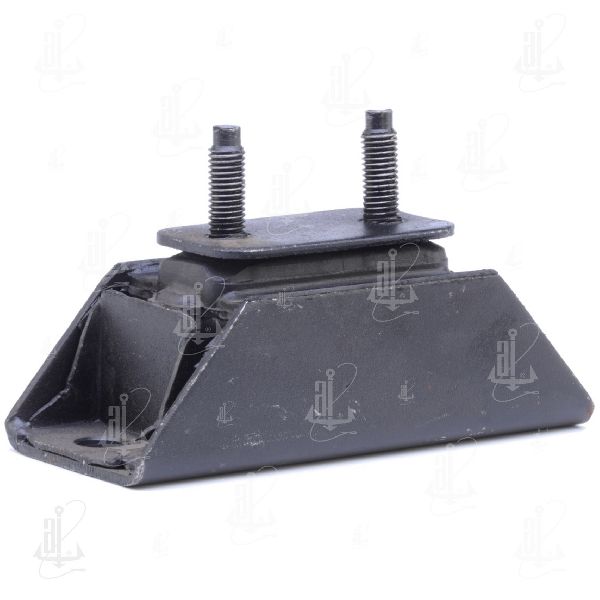
The mount for the automatic transmission is a single, rectangular insulator-style mount that bolts to the transmission extension housing and the frame crossmember. It is not fluid-filled. The crossmember-to-mount nuts typically require an 18mm socket and should be torqued to 60-80 lb-ft.
We Have This Part in Stock


The information in this article is provided for general reference and educational purposes only. Vehicle specifications, procedures, and part compatibility can vary by production date, trim level, and region. Always consult your vehicle's factory service manual and verify part numbers before purchasing or performing repairs. Safety-critical components such as airbags, seat belts, and braking systems should be installed by a qualified professional.
- Ford Bronco: