

A/C Compressor Replacement Guide for 1989-1996 Ford F-150
Get your classic F-150's air conditioning blowing cold again by choosing the right new aftermarket compressor.
- Always replace the accumulator/drier and orifice tube when installing a new compressor to prevent immediate failure and to validate the warranty.
- If the old compressor failed internally, you must flush the entire A/C system to remove metal debris (known as "Black Death") before installing new parts.
- The job requires professional evacuation and recharging of the refrigerant; it is illegal and harmful to vent it into the air.
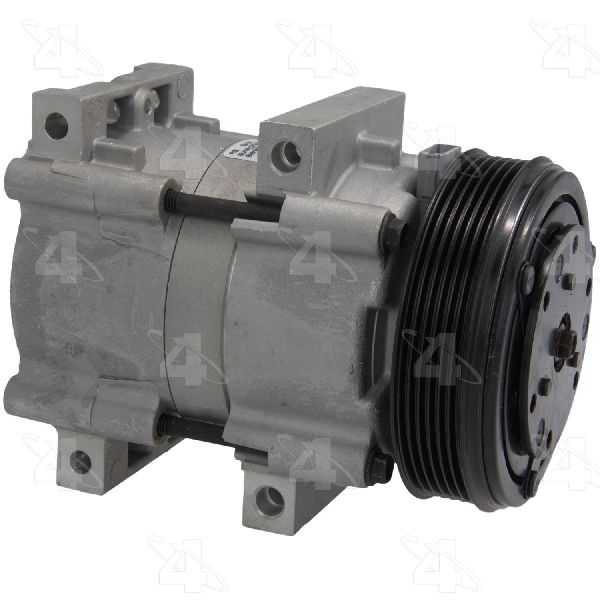
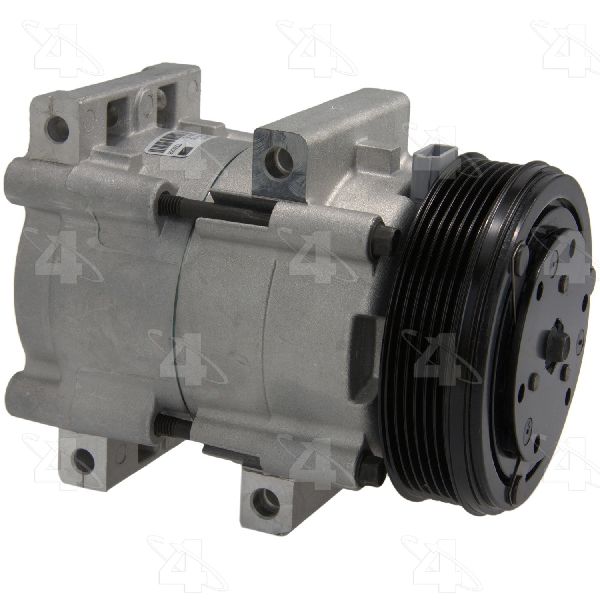
- Choose a brand based on your budget and how long you plan to keep the truck; Denso offers OEM-level quality, while brands like Four Seasons offer a mid-tier balance of price and performance.
Is Your F-150's A/C Compressor Failing?
On a 1989-1996 Ford F-150, the A/C compressor is a workhorse, but it doesn't last forever. If your truck's air conditioning isn't what it used to be, the compressor is a likely suspect. Look for these common signs of failure.
Symptoms of a Bad A/C Compressor:
- No Cold Air: The most obvious symptom. If the compressor can't pressurize the refrigerant, the system can't cool the air.
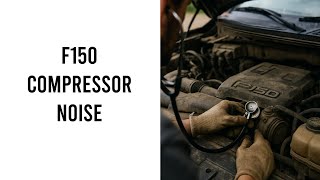
- Loud Noises: Grinding, squealing, or rattling sounds when you turn the A/C on often point to failing internal bearings 🎬 Watch: Hear what a failing F-150 compressor sounds like. or a bad clutch.
- A/C Clutch Not Engaging: The outer pulley of the compressor should spin with the engine belt, but the inner part (the clutch) only engages when you turn the A/C on. If you don't hear a distinct 'click' and see the center of the pulley start spinning, the clutch may have failed. This can be due to a bad clutch, a blown fuse, or low refrigerant pressure.
- Leaking Refrigerant: You might see a greasy residue on the compressor body. This is refrigerant oil leaking out, which means the refrigerant itself is also escaping.
Known Issue: Ford's "Black Death"
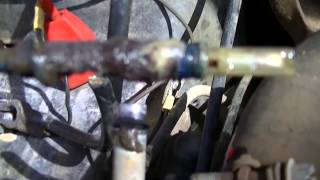
This generation of Ford trucks can suffer from a catastrophic compressor failure known as "Black Death". This happens when the compressor's internal components break apart, sending a thick, black slurry of metal shavings and contaminated oil throughout the entire A/C system. If you see this black goo when inspecting the orifice tube, 🎬 See what the infamous "Black Death" looks like inside. you must replace more than just the compressor. Failure to flush the system and replace key components will cause the new compressor to fail almost immediately.
Choosing the Right Aftermarket A/C Compressor
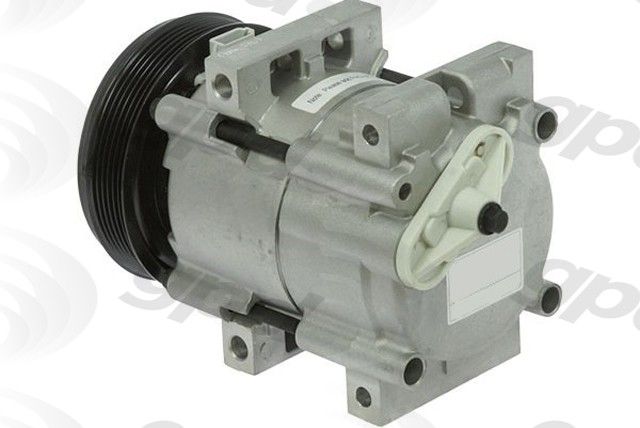
For a vehicle of this age, finding a brand-new OEM (Motorcraft) compressor is difficult and often not cost-effective. Aftermarket compressors are the go-to choice. They are designed to meet or exceed original specifications and are readily available. Here’s a breakdown of common brand tiers.
Brand Quality Tiers
- Premium Aftermarket (e.g., Denso): Denso is a well-respected OEM supplier for many car manufacturers. Choosing a new Denso compressor is often the closest you can get to original quality and is known for durability and quiet operation. This is a top choice if you plan to keep your truck for a long time.
- Standard Aftermarket (e.g., Four Seasons, Global Parts/GPD): Four Seasons is a long-standing, reputable aftermarket brand. GPD is another common option. These brands offer a good balance of quality and price. While some users report long life, others have experienced premature failures, making them a bit of a gamble compared to premium brands. They are a solid choice for a daily driver where budget is a key consideration.
- Economy (e.g., Replacement): These are often the most affordable options. They are typically new, not remanufactured, but may not have the same longevity or refinement as higher-priced brands. They can be a viable option for a truck that is not used daily or if you're on a tight budget, but be aware that the risk of early failure is higher.
Crucial Replacement Steps: Don't Skip These!
Replacing an A/C compressor is more than just swapping the part. To ensure your new compressor lasts and your warranty isn't voided, you must also:
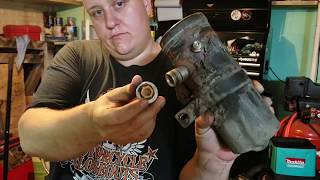
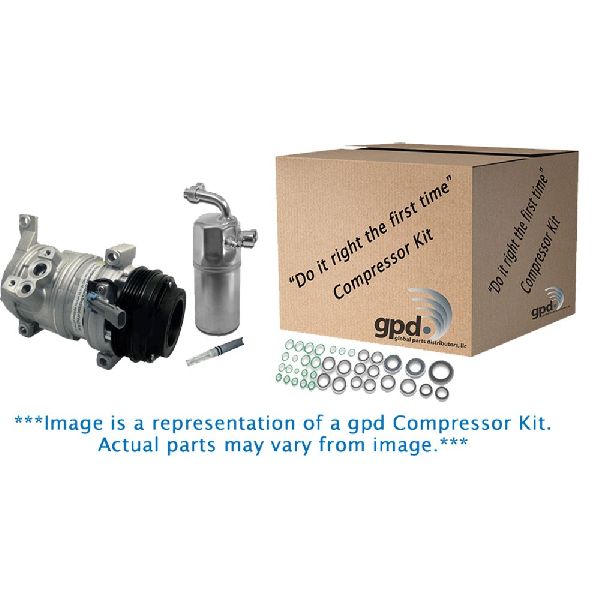
- Replace the Accumulator/Drier: This part absorbs moisture from the refrigerant. A new, dry one is essential for the health of the new compressor.
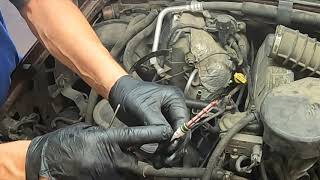
- Replace the Orifice Tube: This small, inexpensive part acts as a filter and expansion valve. It often gets clogged with debris from the old compressor.
- Flush the System: You must use an approved A/C system flush to clean the evaporator, condenser, and lines to remove any old oil and debris. This is the only way to be sure you've removed contaminants from a "Black Death" failure.
Cost of Replacing Your F-150's A/C Compressor
Here is a general breakdown of what to expect in terms of cost. Prices can vary based on your location and specific truck configuration.
| Part/Service | Estimated Cost |
|---|---|
| New Aftermarket Compressor | $177 - $342 |
| New OEM (Motorcraft) Compressor | $350 - $500+ (If available) |
| Remanufactured Compressor | $150 - $250 |
| Shop Labor (including system evacuation and recharge) | $250 - $450 |
Frequently Asked Questions
Do I have to replace the accumulator and orifice tube?
Yes, absolutely. The accumulator contains a desiccant bag that absorbs moisture, and it can only hold so much. A new compressor needs a new, dry accumulator to prevent corrosion. The orifice tube is a filter that is likely clogged with debris from the old compressor. Not replacing these parts is the #1 cause of premature failure for a new compressor.
Do new compressors come with oil?
Most new compressors come pre-filled with a certain amount of PAG oil, but you must verify the amount and type (e.g., PAG 46) is correct for your F-150's system. The documentation with the new compressor will specify if the oil charge is for the compressor only or the entire system. You may need to drain the shipping oil and add the correct amount for your specific vehicle.
Can I replace the compressor myself?
Mechanically, the job is straightforward for a DIYer with the right tools. However, handling refrigerant requires special equipment. It is illegal to release refrigerant into the atmosphere. You must have the system professionally evacuated before you start work and professionally vacuumed and recharged after you are done.
🎬 Watch: A complete walkthrough of an F-150 A/C overhaul.My truck was originally R12. Does that matter?
Yes. If your truck (typically pre-1994 models) has not been converted from R12 to R134a refrigerant, you will need to do so, as R12 is no longer available. This involves installing R134a service port adapters and ensuring you use the correct type of oil (PAG oil) that is compatible with R134a. Most new aftermarket compressors are compatible with both refrigerants, but you must use the correct oil.
Helpful Videos
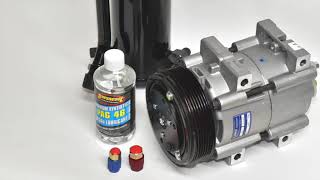
Technical Specifications
OEM Part Numbers: E9TZ-19703-A F4TZ-19703-A F6TZ-19703-AA
System uses a cycling clutch with a fixed orifice tube. Pre-1994 models originally used R12 refrigerant; 1994 and later models use R134a. Oil type is typically PAG 46 for R134a systems. A full system oil charge is approximately 7-10 ounces.
We Have This Part in Stock

The information in this article is provided for general reference and educational purposes only. Vehicle specifications, procedures, and part compatibility can vary by production date, trim level, and region. Always consult your vehicle's factory service manual and verify part numbers before purchasing or performing repairs. Safety-critical components such as airbags, seat belts, and braking systems should be installed by a qualified professional.
- Ford F-150:
- 🎬 Helpful Videos
- 🛍️ Shop This Part
- Is Your F-150's A/C Compressor Failing?
- Symptoms of a Bad A/C Compressor:
- Known Issue: Ford's "Black Death"
- Choosing the Right Aftermarket A/C Compressor
- Brand Quality Tiers
- Crucial Replacement Steps: Don't Skip These!
- Cost of Replacing Your F-150's A/C Compressor
- Frequently Asked Questions
- 🎟️ Get 5% Off