

Ford F-150 Engine Mount Guide: Choosing the Right Part for 1989-1996 Trucks
If your classic F-150 is shaking, clunking, or vibrating, a bad engine mount is a likely culprit.
- Symptoms of bad mounts include vibration, clunking noises, and visible engine rocking.
- Replacing mounts in pairs is highly recommended for balanced support and longevity.
- Solid rubber aftermarket mounts are often a more durable choice than the original hydraulic design for this truck.
- Ensure you buy the correct part for your specific engine (4.9L, 5.0L, 5.8L) and drivetrain (2WD/4WD).
Why Engine Mounts Matter on Your F-150
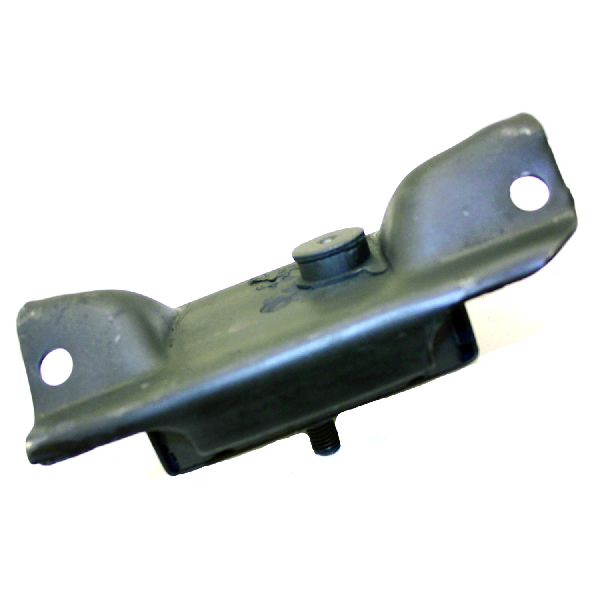
The engine mounts on your 1989-1996 F-150 are simple but critical parts. They are essentially heavy-duty rubber and metal sandwiches that bolt the engine to the truck's frame. Their job is to support the engine's weight and absorb its vibrations so you can have a smoother ride. After decades of heat, torque, and exposure to fluids, the original rubber breaks down, leading to problems you can feel and hear.
Common Symptoms of a Bad Engine Mount
When an engine mount fails, it can no longer do its job of isolating the engine's movement. Here are the most common signs to look for:
- Excessive Vibration: This is the most common symptom. You'll feel a new or worsening vibration through the steering wheel, floor, or seats, especially when the truck is idling.
- Clunking or Thumping Noises: You may hear a loud clunk or bang from the engine bay when you accelerate, brake, or shift from drive to reverse. This is the sound of the engine physically moving and hitting other components.
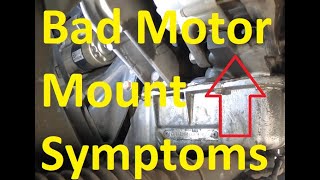
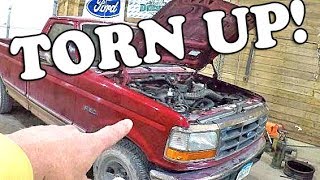
- Visible Engine Movement: With the hood open and the parking brake set, have a friend shift the truck from park to drive while holding the brake. If you see the engine lurch or lift more than an inch or two 🎬 Watch: How to identify and test for failed motor mounts, a mount is likely broken.
A Note on Hydraulic vs. Solid Rubber Mounts
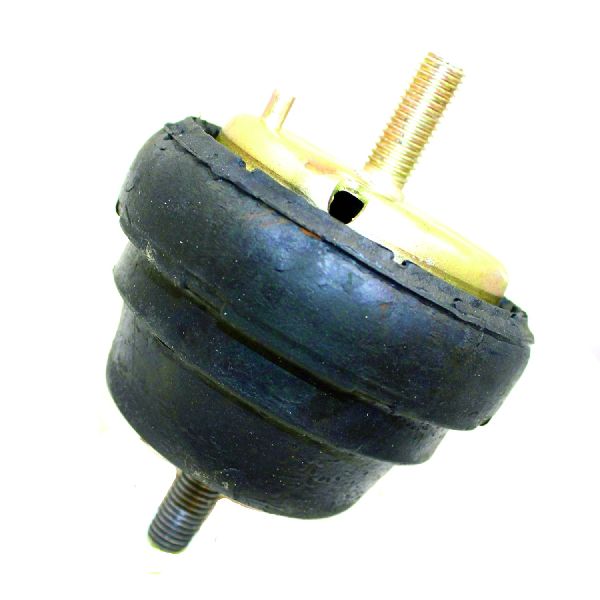
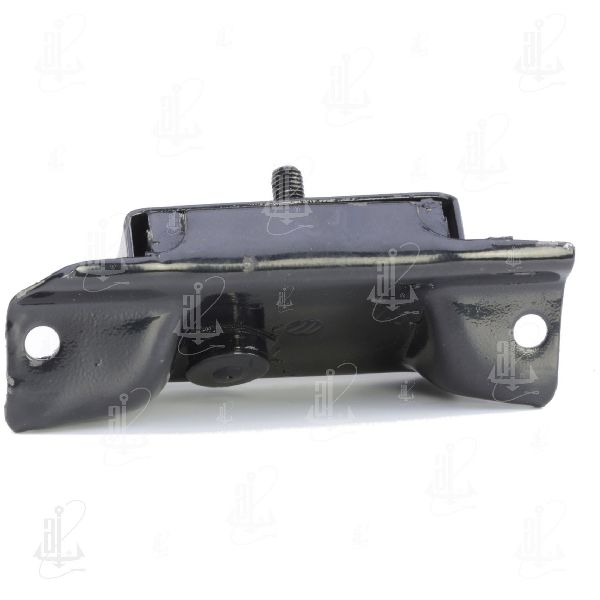
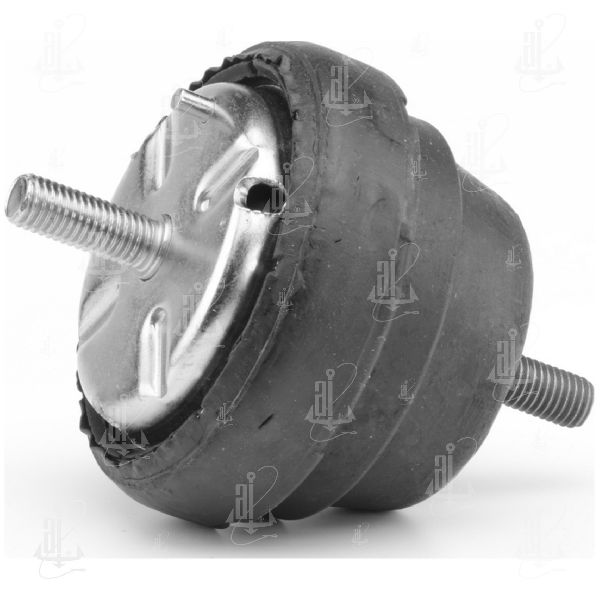
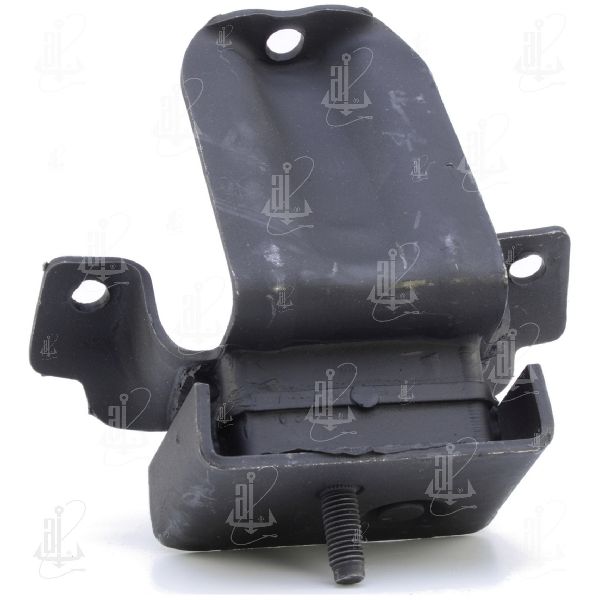
Some earlier models in this F-150 generation were equipped with hydraulic (fluid-filled) engine mounts from the factory. These were designed for better vibration dampening but are known to fail and leak over time. In later years, Ford often reverted to simpler, more durable solid rubber mounts. When replacing mounts on your truck, a quality solid rubber aftermarket mount is often a more reliable and long-lasting choice than a cheap hydraulic version.
Choosing the Right Aftermarket Engine Mount
For a truck of this age, aftermarket parts are the most common and affordable option. The brands available are generally considered economy or standard-grade replacements. They get the job done but may not have the same lifespan as the original factory parts.
- Economy Brands (Anchor, DEA, Westar): These brands offer a budget-friendly solution to fix a broken mount. They are widely available and will restore proper engine stability. However, some owners in forums report these mounts may wear out faster than the originals, sometimes within a few years, especially under heavy use. For a daily driver or work truck, they are a practical choice.
- Pioneer Cable, Skyward: These are less common brands in forum discussions for engine mounts and may be private-label brands from various retailers. Their quality is likely similar to other economy-tier options.
Pro Tip: When one engine mount fails, the others have been carrying extra stress. It is highly recommended to replace them in pairs (both left and right) to ensure the engine is properly balanced and to avoid having to do the job again in a few months.
Cost to Replace Engine Mounts on a 1989-1996 F-150
| Part or Service | Estimated Cost |
|---|---|
| New Aftermarket Mounts (Pair) | $35 - $85 |
| Shop Labor (Independent Shop) | $200 - $600 |
| Total Estimated Cost (Parts + Labor) | $235 - $685 |
Costs are estimates and can vary based on your location and the specific shop's labor rates. Labor costs for this truck are generally lower than for modern vehicles.
Frequently Asked Questions
Can I replace just one engine mount?
You can, but it's not recommended. Engine mounts wear out at a similar rate. If one has failed, the other is likely weak and has been under extra strain. Replacing them in pairs ensures the engine sits level and prevents another failure soon after.
Is replacing an F-150 engine mount a DIY job?
Yes, for someone with the right tools and some mechanical experience, this is a manageable DIY project. It requires safely supporting the engine with a floor jack and a block of wood, unbolting the mounts, and lifting the engine just enough to swap the parts. Always use jack stands for safety.
🎬 Watch: DIY walkthrough for replacing mounts on a 5.0L F-150Do I need different mounts for a 4.9L, 5.0L, or 5.8L engine? 🎬 See this step-by-step motor mount replacement on a 4.9L engine
Yes, the mounts can be different depending on your engine and whether your truck is 2WD or 4WD. It is critical to enter your truck's exact year, model, engine, and drivetrain information to ensure you order the correct parts.
Are there any recalls for 1989-1996 F-150 engine mounts?
No, searches of the National Highway Traffic Safety Administration (NHTSA) database and other sources did not find any official recalls or technical service bulletins (TSBs) for engine mounts on this specific generation of F-150.
Helpful Videos
Technical Specifications
Mounts are specific to engine size (4.9L I6, 5.0L V8, 5.8L V8) and drivetrain (2WD vs 4WD). Some early models used hydraulic mounts, while later models and most aftermarket replacements are solid rubber.
We Have This Part in Stock


The information in this article is provided for general reference and educational purposes only. Vehicle specifications, procedures, and part compatibility can vary by production date, trim level, and region. Always consult your vehicle's factory service manual and verify part numbers before purchasing or performing repairs. Safety-critical components such as airbags, seat belts, and braking systems should be installed by a qualified professional.
- Ford F-150: