

Ignition Coil Guide for the 1989-1996 Jaguar XJS
Understanding the different ignition coils for your V12 or 6-cylinder XJS is key to keeping it running smoothly.
- Identify your engine first: V12 and 6-cylinder models use completely different ignition coil systems.
- On V12 models, a single failed coil can disable half the engine, causing a major loss of power.
- For the later 4.0L engines with six coils, it is best practice to replace all of them at the same time.
- Be cautious with budget brands; enthusiast communities strongly prefer OEM or high-quality aftermarket parts for XJS ignition systems.
Ignition Systems: Not All 1989-1996 XJS Models Are The Same
Before buying a new ignition coil, you must know which engine your XJS has. The parts are very different between the V12 and the 6-cylinder models.
- V12 Engines (5.3L and 6.0L): These engines use a dual ignition system. Early 1989 models have a Lucas setup with two coils working together, which can be replaced by a modern single-coil conversion. From mid-1989 on, Jaguar used a Marelli system with two independent coils; each one is responsible for firing an entire bank of six cylinders. If one coil fails, half of your engine goes dead.
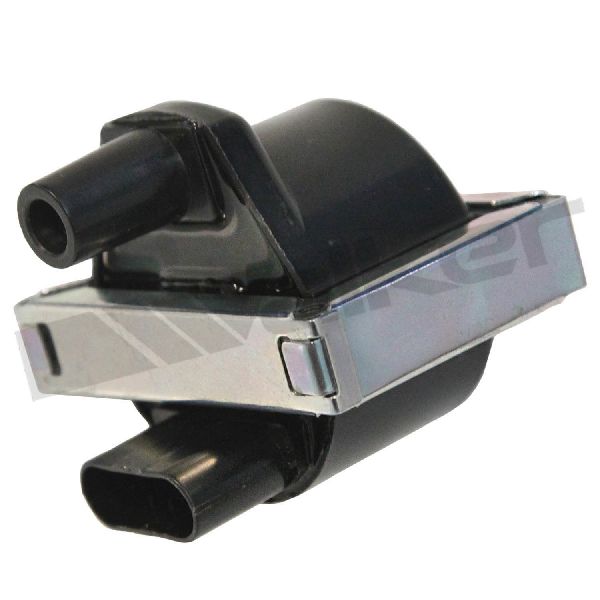
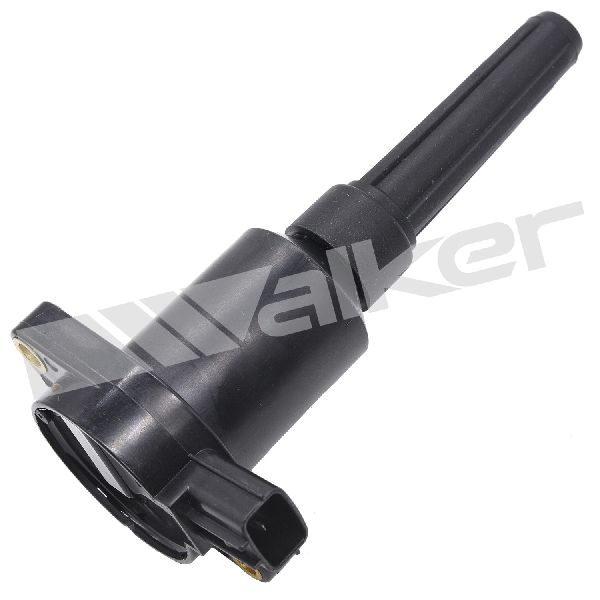
- 6-Cylinder Engines (4.0L): Early 4.0L engines (around 1993-1994) use a single, traditional canister-style ignition coil. The later 4.0L engines (1995-1996) feature a more modern coil-on-plug (COP) ignition system. This means there is one smaller coil sitting directly on top of each of the six spark plugs.
Known Issue: Marelli V12 "Dead Bank"
On V12 models with the Marelli ignition (mid-1989 and later), a very common problem is for one entire side of the engine (a "bank") to stop running. The engine will feel very sluggish and down on power. This is often caused by the failure of just one of the two ignition coils. Swapping the two coils can help diagnose if the coil is the problem; if the dead bank moves to the other side, you've found the faulty coil.
Choosing the Right Aftermarket Ignition Coil
For a classic like the XJS, the quality of ignition components matters. While OEM parts from Jaguar are an option, several aftermarket brands offer replacements. Here’s an honest look at your choices.
- Standard Ignition (Standard Motor Products): A long-time player in the aftermarket world. For the XJS, their quality can be a mixed bag according to owner feedback. Some parts work flawlessly for years, while others have been known to fail prematurely. They are generally considered a mid-tier option; better than budget brands but not always on par with OEM.
- Walker Products: Another established aftermarket brand. While they manufacture a wide range of engine management parts, specific reviews for their coils on an XJS are sparse. General sentiment suggests they are a standard replacement part, but many Jaguar purists recommend sticking with brands known for their reliability on these specific engines.
- DriveWire & Global Parts: These brands fall into the economy or budget category. You will find them at very low prices online. For a daily driver or a car you depend on, these are generally not recommended by the enthusiast community. They might work in a pinch, but their long-term reliability is questionable.
A Note on OEM vs. Aftermarket for the XJS
Jaguar V12 ignition systems are notoriously complex and sensitive. Many experienced owners and mechanics strongly recommend using genuine Jaguar (or the original equipment manufacturer like Lucas or Marelli) parts when possible, especially for the V12 models. While more expensive, they often prevent the headaches of chasing down issues caused by out-of-spec aftermarket parts. For the more common 4.0L 6-cylinder, quality aftermarket parts from reputable brands are generally more accepted.
Cost of Replacing an Ignition Coil on a 1989-1996 Jaguar XJS
| Part Type | Engine | Aftermarket Part Cost | Shop Labor Cost |
|---|---|---|---|
| Canister Coil (Single) | V12 (Marelli) | $100 - $165 each (2 required) | $90 - $135 |
| Coil-on-Plug (Single) | 4.0L I6 (1995-96) | $40 - $100 each (6 required) | $100 - $150 (for all six) |
| Canister Coil (Single) | 4.0L I6 (pre-1995) | $50 - $200 | $75 - $120 |
Frequently Asked Questions (FAQ)
Should I replace all coils at once?
For the 1995-1996 4.0L with coil-on-plug ignition, it is highly recommended. Ignition coils wear at a similar rate. If one has failed, others are likely not far behind. Replacing them all at once saves on future labor costs and prevents being stranded again soon. For the V12 models with two coils, it's good practice to replace both if they are old, as they have been subjected to the same conditions.
Is there a recall on the XJS ignition coil?
There is no recall for the ignition coil itself, but NHTSA issued a recall (92V009000) for 1990-1991 models. The high-tension lead from the ignition coil could be routed too close to a fuel injector hose, creating a risk of a fuel leak and engine fire. It is critical to ensure this has been addressed on any affected vehicle.
Can I replace the ignition coil myself?
Yes, for most owners with basic tools, this is a DIY-friendly job. On the 4.0L engines, the coils are easily accessible after removing a decorative cover. On the V12, the coils are also straightforward to access and replace. The key is to label all wires before disconnecting them to ensure they are reconnected correctly. Always disconnect the battery before starting work.
What are common mistakes when ordering?
The biggest mistake is ordering the wrong part for your specific engine and year. A 1994 4.0L uses a single canister coil, while a 1995 4.0L uses six coil-on-plug units. A 1989 V12 could have a Lucas or Marelli system, which use different coils. Always verify your engine type and, if possible, the part number on the old coil before ordering.
Technical Specifications
OEM Part Numbers: DAC4608 DAC6093 DBC1140 LHE1510AB DAC2945 DAC2693
Varies by engine: V12 models use one or two external canister-style coils (Lucas or Marelli system). 4.0L I6 models use either a single canister coil (early) or six individual coil-on-plug (COP) units (1995-96).
We Have This Part in Stock


The information in this article is provided for general reference and educational purposes only. Vehicle specifications, procedures, and part compatibility can vary by production date, trim level, and region. Always consult your vehicle's factory service manual and verify part numbers before purchasing or performing repairs. Safety-critical components such as airbags, seat belts, and braking systems should be installed by a qualified professional.
- Jaguar XJS:
- 🛍️ Shop This Part
- Ignition Systems: Not All 1989-1996 XJS Models Are The Same
- Known Issue: Marelli V12 "Dead Bank"
- Choosing the Right Aftermarket Ignition Coil
- A Note on OEM vs. Aftermarket for the XJS
- Cost of Replacing an Ignition Coil on a 1989-1996 Jaguar XJS
- Frequently Asked Questions (FAQ)
- 🎟️ Get 5% Off