

Jeep Cherokee XJ (1989-1996) Engine Coolant Temperature Sensor & Sender Guide
Solve rough running, poor fuel economy, and incorrect gauge readings by understanding this critical part.
- Your 1989-96 Cherokee has two separate sensors: one for the ECU (performance) and one for the dash gauge (reading).
- A bad ECU sensor causes poor performance and high fuel use; a bad gauge sender causes an incorrect gauge reading.
- The ECU sensor is usually in the thermostat housing (1991+) or on the block (pre-1991); the gauge sender is at the rear of the cylinder head.
- Replacement is simple for DIYers, but ensure the engine is completely cool before starting.
Understanding the Two Temperature Sensors on Your XJ
One of the most common points of confusion for 1989-1996 Cherokee owners is the presence of two different coolant temperature sensors. It is critical to identify which one you need to replace.
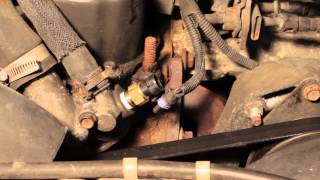
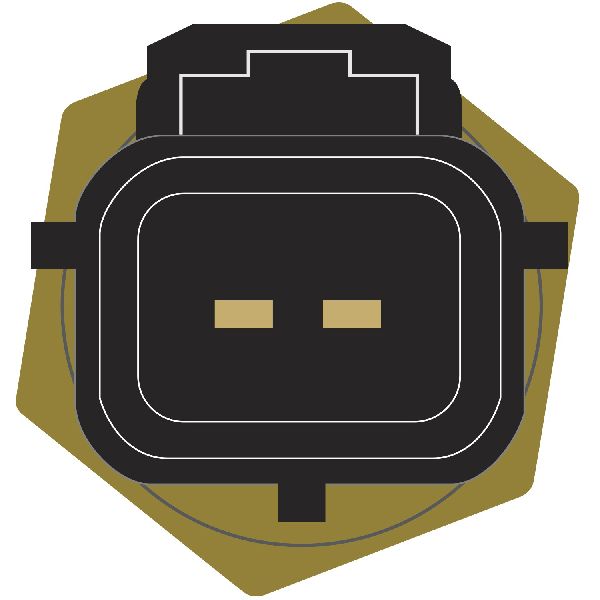
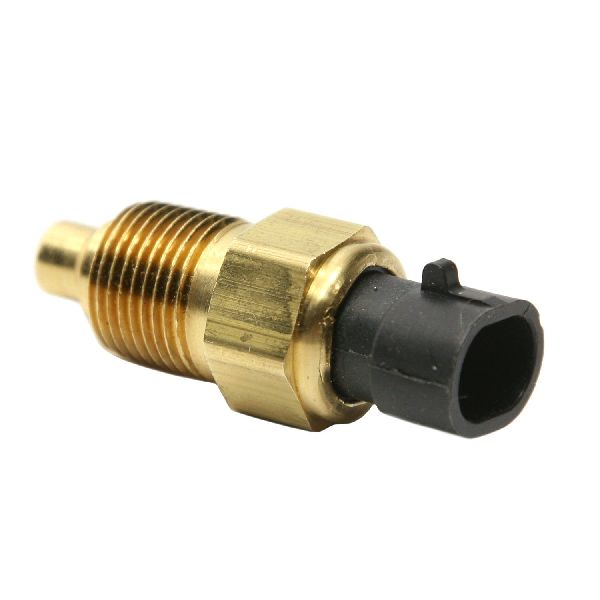
- Engine Coolant Temperature (ECT) Sensor: This is a two-wire sensor that communicates with the Engine Control Unit (ECU). A failure here affects engine performance, causing symptoms like poor fuel economy, rough idle, and black smoke. On 1991 and newer models, it's typically located in the thermostat housing at the front of the engine. On earlier Renix models (1987-1990), it's found on the driver's side of the engine block below the manifold.
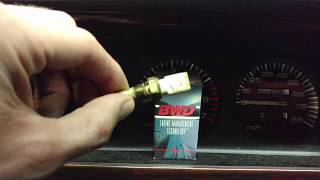
- Temperature Sending Unit (Sender): This is a single-wire sensor that operates the temperature gauge on your dashboard. If your gauge is reading incorrectly, not working at all, or pegged on hot or cold, this is likely the culprit. On most 🎬 Watch: Troubleshooting a dead or inaccurate dashboard temperature gauge. 1989-1996 models, it is located at the very back of the cylinder head on the driver's side.
Symptoms of a Failing Coolant Temperature Sensor
When the main ECT sensor (for the computer) fails, it often sends a false signal that the engine is perpetually cold. This can lead to several noticeable problems:
- Poor Fuel Economy: The ECU provides a rich fuel mixture, thinking the engine is still in its warm-up phase, which wastes gas.
- Black Smoke from Exhaust: An overly rich fuel mixture can result in unburned fuel being cooked in the exhaust, producing black smoke.
- Rough Idle and Poor Performance: The engine may run rough, hesitate, or idle strangely because the fuel and timing calculations are incorrect for the actual engine temperature.
- Check Engine Light: A faulty sensor will often trigger a Check Engine Light.
- Hard Starting: Especially when the engine is already warm, a false 'cold' signal can make it difficult to start.
A failing temperature sending unit will only affect the dashboard gauge, causing it to be inaccurate, dead, or erratic.
Common Ordering Mistake
Before ordering, double-check the location of your faulty sensor to determine if you need the two-wire ECT sensor for the engine computer or the single-wire sending unit for the gauge. They are not interchangeable.
Choosing the Right Aftermarket Sensor
For a critical component like a temperature sensor, quality matters. While many aftermarket options are available, owner experiences suggest that some brands are more reliable than others. Jeeps can be picky about their sensors.
- Premium Aftermarket (Good): Brands like Delphi and Standard Ignition (SMP) have a strong reputation for quality and reliability, often acting as OEM suppliers for various manufacturers. They are a solid choice for those who want near-OEM performance without the dealer price tag.
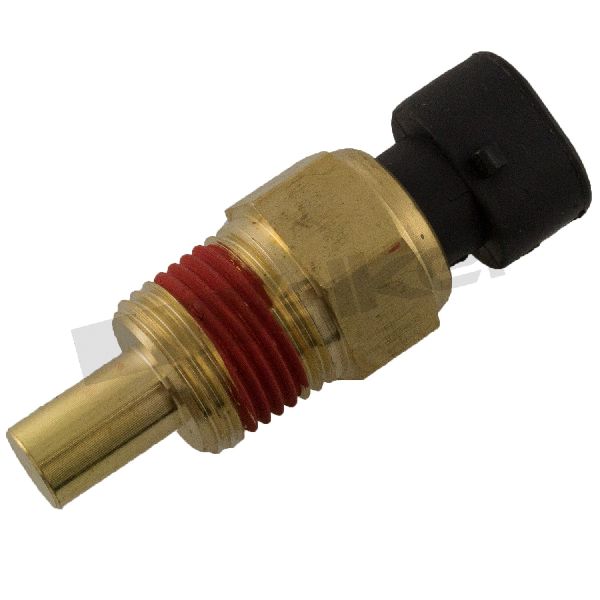
- Standard Aftermarket (Better): Brands like Crown Automotive, Omix-Ada, and Walker Products are popular in the Jeep community. They generally offer good value and are a significant step up from no-name budget parts. For a simple sensor, these are often sufficient for most owners.
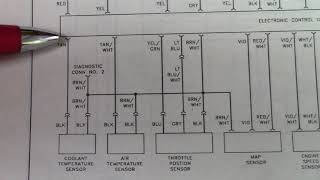
- Economy (Basic): Brands like Four Seasons and Global Parts fall into the budget-friendly category. While they may work, forum discussions often caution that with critical sensors, you get what you pay for. A cheap sensor that fails quickly or reads inaccurately can cause more headaches and diagnostic trouble down the road. 🎬 See how to test sensor resistance, power, and ground.
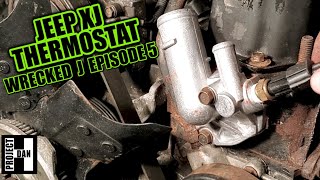
Pro Tip: When replacing the ECT sensor located in the thermostat housing, it's a great time to also replace your thermostat and gasket. This is an inexpensive preventative maintenance item that requires you to be in the same area of the engine.
🎬 Watch this walkthrough for replacing the thermostat and ECT sensor.Cost of Replacing a Coolant Temperature Sensor (1989-1996 Jeep Cherokee)
| Part Type | Estimated Cost |
|---|---|
| New Aftermarket Sensor | $12.96 - $55.65 |
| New OEM (Mopar) Sensor | $45 - $75 |
| Shop Labor | $75 - $150 |
Cost estimates are approximate and can vary by location and specific part.
Frequently Asked Questions
Why does my Jeep Cherokee have two coolant temperature sensors?
On 1989-1996 XJ models, one sensor (the ECT sensor) sends temperature data to the engine computer for performance adjustments, while the other (the sending unit) operates the temperature gauge on the dashboard. This design was simplified in later model years to use a single sensor for both functions.
Where is the coolant temperature sensor located?
For 1991-1996 models, the main ECT sensor is in the thermostat housing. The gauge sending unit is at the rear of the cylinder head on the driver's side. For 1989-1990 (Renix) models, the ECT sensor is on the driver's side of the engine block, and the gauge sender is at the rear of the cylinder head.
Can I replace the sensor myself?
Yes, this is a very DIY-friendly job. It typically requires basic hand tools like a deep socket and ratchet. The key is to let the engine cool down completely to avoid burns and pressure release from the cooling system. Have the new sensor ready to swap in quickly to minimize coolant loss.
Should I use Teflon tape on the new sensor's threads?
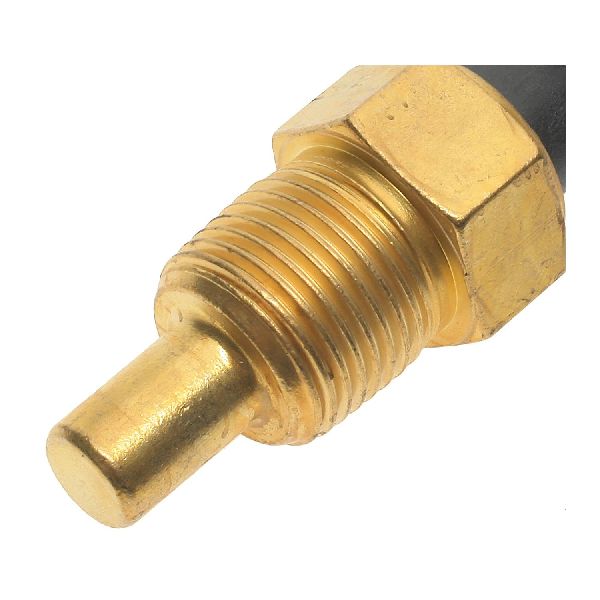
Yes, it is recommended to apply Teflon tape or a similar thread sealant to the threads of the new sensor before installation. This ensures a proper seal and prevents coolant leaks. Many new sensors come with sealant already applied.
Helpful Videos
Technical Specifications
OEM Part Numbers: 56027012 33004281 53005309 33002383 56026710
Number of Sensors: 2 (1 for ECU, 1 for gauge). ECU Sensor Location (1991-96): Thermostat Housing. Gauge Sender Location (all years): Rear of cylinder head, driver's side. ECU Sensor Connector: 2-wire plug. Gauge Sender Connector: 1-wire post.
We Have This Part in Stock


The information in this article is provided for general reference and educational purposes only. Vehicle specifications, procedures, and part compatibility can vary by production date, trim level, and region. Always consult your vehicle's factory service manual and verify part numbers before purchasing or performing repairs. Safety-critical components such as airbags, seat belts, and braking systems should be installed by a qualified professional.
- Jeep Cherokee:
- 🎬 Helpful Videos
- 🛍️ Shop This Part
- Understanding the Two Temperature Sensors on Your XJ
- Symptoms of a Failing Coolant Temperature Sensor
- Common Ordering Mistake
- Choosing the Right Aftermarket Sensor
- Cost of Replacing a Coolant Temperature Sensor (1989-1996 Jeep Cherokee)
- Frequently Asked Questions
- 🎟️ Get 5% Off