

Accessory Drive Belt Guide for the 1989-1996 Mazda 626
Keep your 626 running smoothly by understanding its accessory drive belts and knowing when to replace them.
- The 1989-1996 Mazda 626 can have multiple engine types (I4, V6), each with a different belt configuration; verify your engine before buying.
- Squealing noises, visible cracks, and accessory failure are key signs that your belt needs immediate attention.
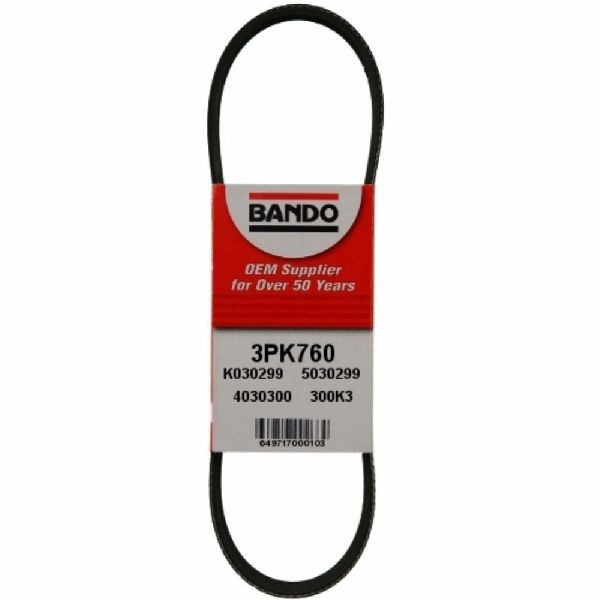
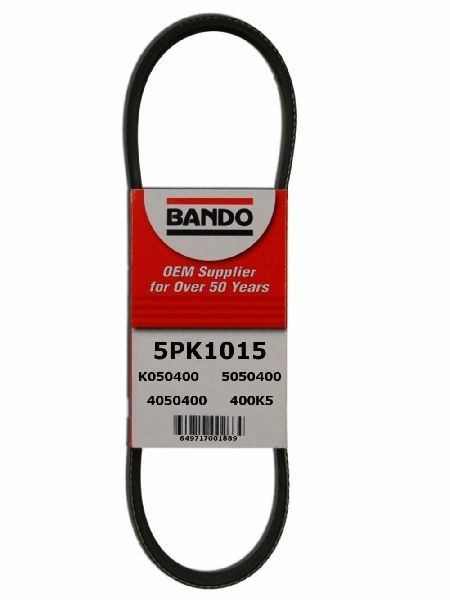
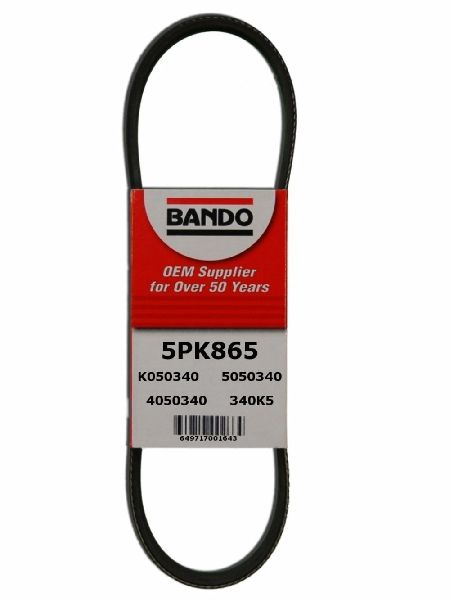
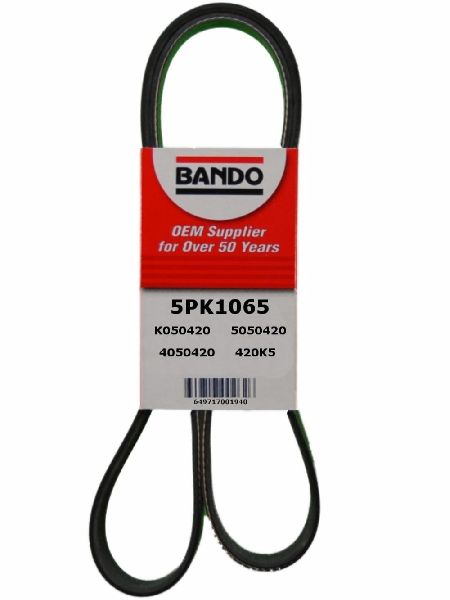
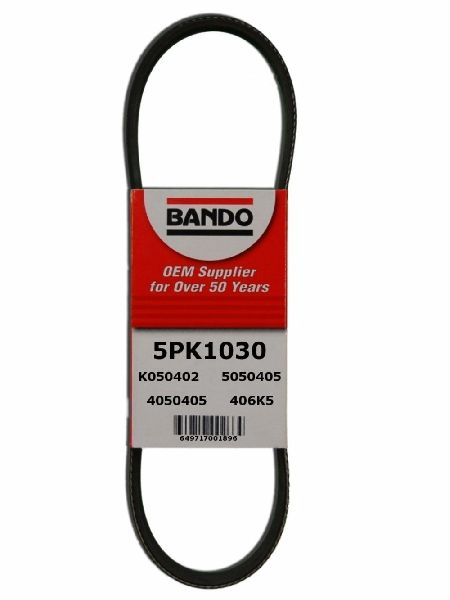
- For best results, choose aftermarket brands like Bando or Mitsuboshi, which are often the original OEM suppliers for Mazda.
- While replacing the belt, it is wise to inspect the tensioner and idler pulleys for wear, as they are also common failure points.
Understanding the Accessory Drive Belt System in Your 626
The 1989-1996 Mazda 626 spans two different vehicle generations, the GD (1989-1992) and GE (1993-1996), and came with various engines, including 2.0L and 2.2L 4-cylinders and a 2.5L V6. Because of these differences, the accessory drive belt setup varies. Some models use a single serpentine belt, while others use multiple V-belts to power accessories. It is crucial to identify your specific engine to get the correct replacement belts.
Symptoms of a Failing Accessory Drive Belt
A worn-out drive belt will give you several warning signs. Ignoring them can lead to being stranded.
- Squealing or Chirping Noises: This is the most common symptom. A high-pitched squeal, especially on startup, during acceleration, or when the A/C is on, often means the belt is slipping because it's loose or worn.
- Visible Wear and Tear: A visual inspection can reveal a lot. Look for cracks, fraying, missing ribs, or a glazed, shiny appearance on the belt's surface.
- Power Steering or A/C Failure: If turning the steering wheel suddenly becomes difficult or the air conditioning stops blowing cold, the belt may have failed and is no longer powering those systems.
- Engine Overheating: The drive belt often runs the water pump. If the belt breaks, the pump stops circulating coolant, causing the engine to overheat quickly.
- Battery Warning Light: A slipping or broken belt can't properly spin the alternator, which charges the battery. This will cause the battery light to illuminate on your dashboard.
Don't Ignore a Bad Belt Tensioner
Sometimes, the belt itself isn't the problem. A buzzing or rattling noise could point to a failing belt tensioner or idler pulley. A bad tensioner can't keep the belt tight, causing symptoms similar to a worn belt and can lead to premature belt failure. On V6 models, the idler pulleys are a known point of failure and can seize up after many years and miles.
Choosing the Right Aftermarket Belt
For a Japanese vehicle like the Mazda 626, aftermarket belts from brands that are also OEM suppliers are an excellent choice. They often provide the same quality as the dealer part without the high price tag.
- Tier 1 (OEM-Equivalent): Bando and Mitsuboshi are frequently original equipment manufacturers for Japanese cars. Choosing a belt from one of these brands is as close to getting a genuine Mazda part as you can get, ensuring excellent fit and durability.
- Tier 2 (High-Quality Aftermarket): ACDelco is a well-respected aftermarket brand that produces reliable and durable belts. Brands like Gates and Dayco are also solid choices that meet or exceed OEM specifications.
Pro Tip: Since Bando and Mitsuboshi are often the original suppliers for Mazda, opting for their aftermarket offerings can give you OEM quality at a fraction of the cost.
Accessory Drive Belt Replacement Cost for 1989-1996 Mazda 626
| Part Type | Price Range |
|---|---|
| New Aftermarket Accessory Drive Belt | $12.06 - $44.01 |
| Shop Labor for Replacement | $75 - $150 |
*Cost estimates are based on a combination of available data and general market rates. Labor costs can vary significantly by region and shop.
Frequently Asked Questions (FAQ)
How often should I replace the accessory drive belts on my Mazda 626?
There isn't a strict mileage rule, but a good practice is to inspect the belts every 6,000 miles. Most belts last around 50,000 miles, but this can vary. Replace them at the first sign of cracking, fraying, or other visible damage.
Is replacing the drive belt a DIY job?
For a moderately experienced DIY mechanic, yes. The process typically involves loosening the tensioner or accessory bolts to release tension, removing the old belt, and routing the new one. Access can be tight, especially on V6 models. Ensure you have the correct belt routing diagram for your specific engine.
My 626 has multiple belts. Should I replace them all at once?
Yes. If one belt is worn out, the others are likely not far behind. Replacing them all at the same time is recommended and can save you from doing the same job twice in the near future.
Were there any recalls for the accessory drive belt on the 1989-1996 Mazda 626?
No, searches of the NHTSA database did not find any recalls specifically related to the accessory drive belts for the 1989-1996 Mazda 626. There was a recall for a timing belt tensioner on later models, but this does not affect the accessory belts.
Technical Specifications
OEM Part Numbers: F201-15-907A F2F6-18-381-9U F230-15-909 KLG4-15-908
Varies by engine and accessories (A/C, Power Steering). Belts are typically EPDM rubber with polyester cords. Common types include 4-rib, 5-rib, and 6-rib V-ribbed belts.
We Have This Part in Stock


The information in this article is provided for general reference and educational purposes only. Vehicle specifications, procedures, and part compatibility can vary by production date, trim level, and region. Always consult your vehicle's factory service manual and verify part numbers before purchasing or performing repairs. Safety-critical components such as airbags, seat belts, and braking systems should be installed by a qualified professional.
- Mazda 626: