

Pontiac Grand Prix Engine Timing Set Guide for 1989-1996 Models
Your Grand Prix's engine is either simple and reliable or complex and fragile—the timing system is the reason why.
- You MUST first identify if you have the 3.1L V6 (timing chain) or the 3.4L DOHC V6 (timing belt).
- The 3.4L DOHC is an interference engine; a broken timing belt will cause catastrophic failure.
- The 3.4L DOHC timing belt must be replaced every 60,000 miles, regardless of its appearance.
- Always replace the timing set as a complete kit, including tensioners and idlers, and strongly consider replacing the water pump at the same time.
Critical First Step: Identify Your Engine
Before buying any parts, you must know which engine is in your Grand Prix. This is the most important step.
- 3.1L V6 (1989-1996): This is a pushrod engine and uses a timing chain. These are durable but can stretch over many miles.
- 3.4L DOHC V6 (1991-1996): Found in GTP, STE, and some SE models, this engine has "24 VALVE" or "TWIN DUAL CAM" on the engine cover. It uses a timing belt. This is an interference engine, meaning if the belt breaks, the pistons will hit the valves, causing catastrophic engine failure.
Check your engine cover or vehicle's RPO codes to be certain. The 3.4L DOHC is engine code LQ1.
Symptoms of a Failing Timing Set
How your car acts when the timing set is failing depends entirely on which engine you have.
For 3.1L V6 with a Timing Chain:
- Engine Rattle: The most common symptom is a rattling or scraping noise coming from the front of the engine (the passenger side). This noise is from the loose chain slapping against its cover or guides.
- Poor Engine Performance: A stretched chain can retard cam timing, leading to a rough idle, hesitation, and a general lack of power.
- Check Engine Light: The computer may detect that the camshaft and crankshaft are out of sync and trigger a trouble code.
For 3.4L DOHC V6 with a Timing Belt:
- No Symptoms (Critical Risk): A timing belt can break without any warning. This is why it MUST be replaced every 60,000 miles as preventative maintenance.
- Engine Stalls and Won't Restart: If the belt breaks while driving, the engine will shut off immediately and you will not be able to restart it. This likely means severe internal engine damage has already occurred.
- Slapping or Ticking Noises: A very worn or loose belt might make noise, but this is not a reliable warning sign. 🎬 Watch: How to inspect a GM 3.4 V6 for timing wear
Choosing the Right Aftermarket Timing Set
For a vehicle of this age, aftermarket parts are the most common and cost-effective choice. OEM parts may be discontinued or very expensive. Quality aftermarket brands offer reliable performance.
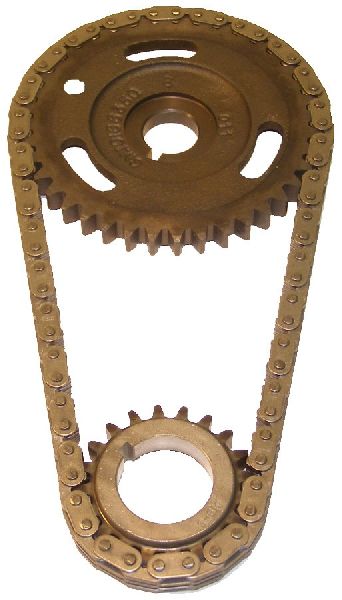
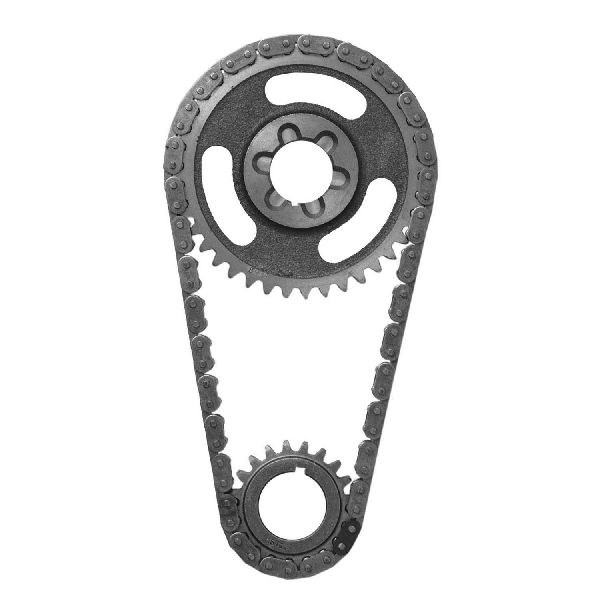
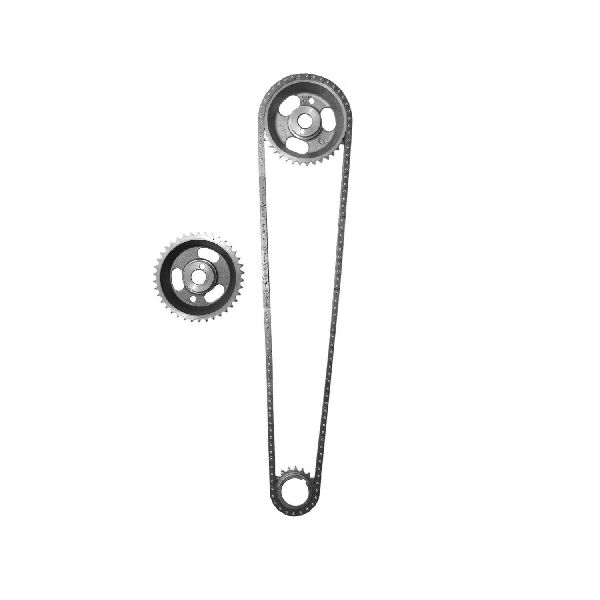
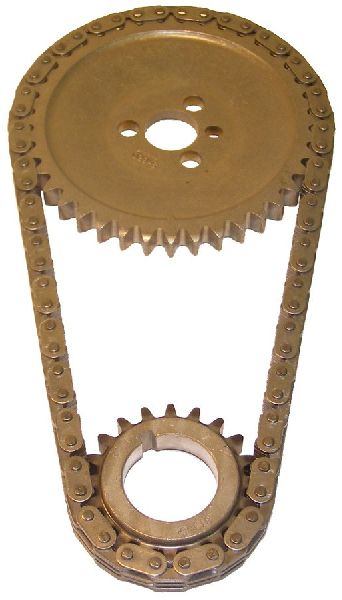
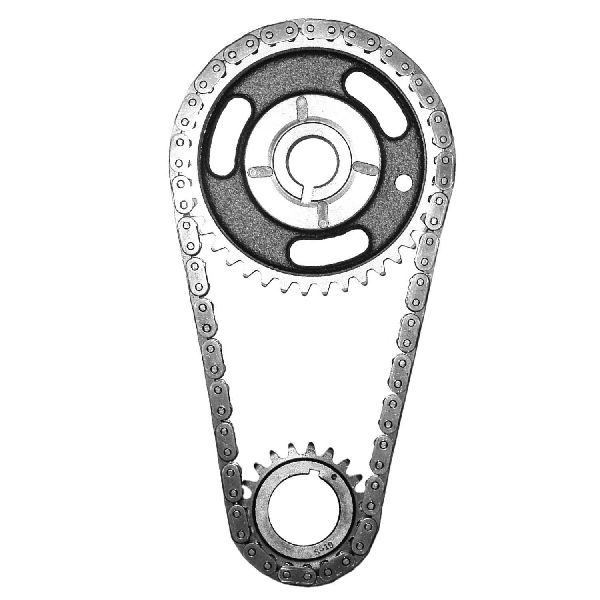
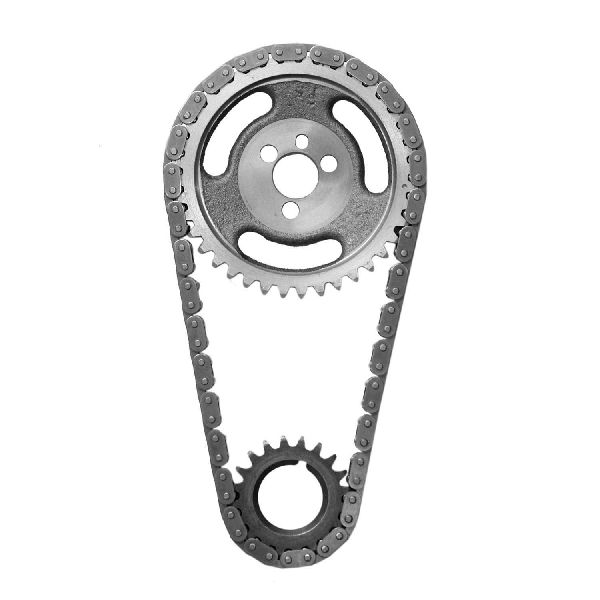
Pro Tip: Always buy a complete kit. For a timing chain, this includes the chain, camshaft sprocket, and crankshaft sprocket. For a timing belt, the kit should include the belt, tensioner pulley, and idler pulleys. It is highly recommended to also replace the water pump at the same time, as it is often driven by the timing belt or located behind the timing chain cover.
Brand Quality Tiers
- Tier 1 (High Quality): For the 3.1L V6 timing chain, Melling is a highly respected brand known for quality engine components. For the 3.4L DOHC timing belt, a kit from Gates or one containing INA pulleys and tensioners is a top choice, as these are often OEM suppliers.
- Tier 2 (Standard Replacement): Cloyes has been a standard choice for timing chains for decades. While generally reliable, some online forums have discussed concerns about quality variations in recent years. For most stock 3.1L V6 applications, a Cloyes kit is still a suitable option.
Cost to Replace a Pontiac Grand Prix Timing Set
| Part/Service | 3.1L V6 (Chain) Cost | 3.4L DOHC V6 (Belt) Cost |
|---|---|---|
| Aftermarket Part Kit | $58 - $100 | $90 - $145 |
| Shop Labor | $400 - $650 | $610 - $900+ |
| Total Estimated Cost | $458 - $750 | $700 - $1,045+ |
Note: Costs are estimates and will vary by location and the specific services performed. Replacing the water pump at the same time is recommended and will add to the total cost.
Frequently Asked Questions (FAQ)
Does my 1989-1996 Grand Prix have a timing chain or a belt?
If you have the standard 3.1L V6 engine, it has a timing chain. If you have the optional 3.4L DOHC V6 engine (usually in GTP or STE models), it has a timing belt.
Is the 3.4L DOHC really an interference engine? What does that mean?
Yes, it is a confirmed interference engine. This means there is not enough clearance between the valves and pistons if they go out of sync. If the timing belt breaks, the pistons will slam into the open valves, causing bent valves, damaged pistons, and a destroyed cylinder head. This is why replacing the belt on schedule is not optional.
What else should I replace along with the timing set?
For either engine, it is best practice to replace the water pump. You must already remove it or access it during the job, so replacing it saves you from having to pay for the same labor again in the future. For the 3.4L DOHC, you must replace the belt tensioner and idler pulleys that come in the kit. Also inspect the front crankshaft seal and camshaft seals for leaks.
Can I replace the timing set myself?
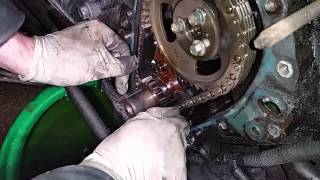
For the 3.1L V6 (chain), it is a moderately difficult job for an experienced DIY mechanic. It requires a harmonic balancer puller 🎬 See this detailed DIY walkthrough for replacing a timing chain and access to the front of the engine. For the 3.4L DOHC V6 (belt), the job is very complex and not recommended for beginners. The risk of incorrect installation leading to catastrophic engine failure is very high. This job is best left to a professional mechanic familiar with this specific engine.
Helpful Videos
Technical Specifications
Engine design determines timing system type. 3.1L V6 (VIN 'M' or 'T') uses a timing chain set. 3.4L DOHC V6 (VIN 'X', RPO code 'LQ1') uses a timing belt kit with a 60,000-mile service interval.
We Have This Part in Stock

The information in this article is provided for general reference and educational purposes only. Vehicle specifications, procedures, and part compatibility can vary by production date, trim level, and region. Always consult your vehicle's factory service manual and verify part numbers before purchasing or performing repairs. Safety-critical components such as airbags, seat belts, and braking systems should be installed by a qualified professional.
- Pontiac Grand Prix:
- 🎬 Helpful Videos
- 🛍️ Shop This Part
- Critical First Step: Identify Your Engine
- Symptoms of a Failing Timing Set
- For 3.1L V6 with a Timing Chain:
- For 3.4L DOHC V6 with a Timing Belt:
- Choosing the Right Aftermarket Timing Set
- Brand Quality Tiers
- Cost to Replace a Pontiac Grand Prix Timing Set
- Frequently Asked Questions (FAQ)
- 🎟️ Get 5% Off