

A Guide to Replacing the Starter on a 1989-1997 Buick Regal
If your Regal just clicks or cranks slowly, this guide will help you understand and choose the right new starter.
- Before replacing the starter, always test the battery and clean the battery terminals and ground connections first.
- A single, loud 'click' is the most definitive symptom of a bad starter motor on this vehicle.
- Replacement is a straightforward DIY job that takes 1-2 hours with basic tools and jack stands.
- If your old starter used shims, you must reinstall them with the new part to prevent damage.
Is Your Buick Regal's Starter Failing?
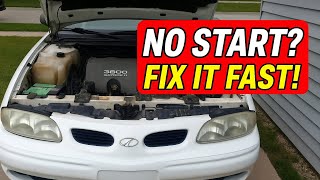
On this generation of Buick Regal, which often came with the dependable 3.1L or 3.8L V6 engines, 🎬 See how to easily replace the starter on 3.1L models. starting problems are common as the vehicle ages. However, the starter isn't always the culprit. Before deciding to replace the starter, it's essential to rule out simpler issues. These cars are known for having electrical connection problems over time.
Pro Tip: Before you buy any parts, always check that your battery is fully charged and clean the battery terminals and the main ground wires. Corroded or loose cables are a very common reason for a no-start or clicking sound on these older GM vehicles and are much cheaper to fix.
Common Symptoms of a Bad Starter
If your battery and cables are in good shape, look for these classic signs of a failing starter motor:
- Single Loud Click: You turn the key and hear one sharp "click" from the engine area, but the engine doesn't turn over. This usually means the starter solenoid is working, but the motor itself has failed.
- Slow, Labored Cranking: The engine turns over much slower than normal, almost like the battery is dead. A worn-out starter can draw too much power, causing this sluggish crank.
- No Sound at All: You turn the key and hear nothing. While this could be a bad battery or ignition switch, a completely dead starter is also a likely cause.
- Grinding Noise: A harsh grinding sound during or after starting can mean the starter gear is not meshing correctly with the engine's flywheel or is not retracting properly.
- Intermittent Starting: The car starts fine one day but refuses to the next. This can be caused by electrical "dead spots" in the aging starter motor.
Known Issues, Recalls, and Bulletins
No specific recalls or Technical Service Bulletins (TSBs) were issued by the NHTSA for the starter motor on the 1989-1997 Buick Regal. However, be aware that other issues common to GM vehicles of this era can mimic starter failure. A faulty ignition switch or a problem with the Pass-Key anti-theft system can sometimes prevent the car from starting.
Choosing the Right Aftermarket Starter
For a vehicle of this age, a new aftermarket starter offers a great balance of value and reliability without the high cost of a new OEM part, which may be discontinued. Aftermarket brands generally fall into different tiers of quality and price.
Tier 1: Reputable Aftermarket Brands
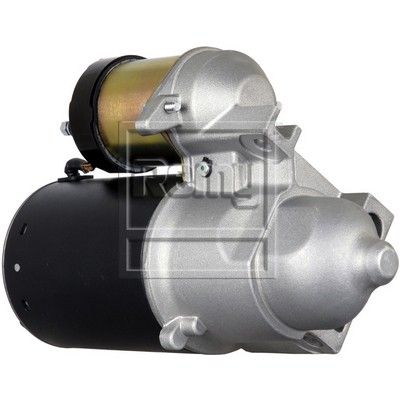
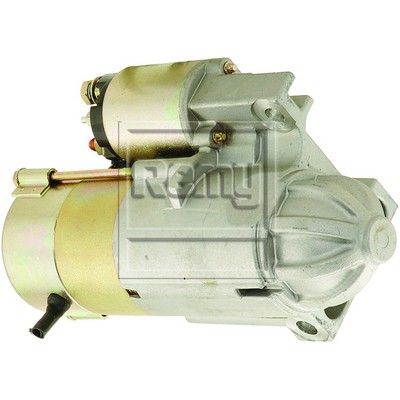
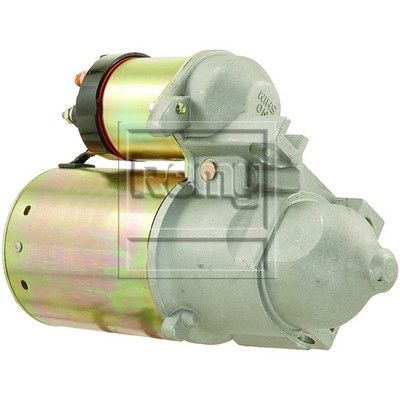
- Remy: Remy was once part of GM's original parts division (Delco-Remy) and has a long history. Many mechanics have had good success with Remy starters and alternators, considering them a reliable go-to brand. However, like any mass-produced part, quality can sometimes be inconsistent, with some users reporting early failures.
Tier 2: Value-Oriented Brands
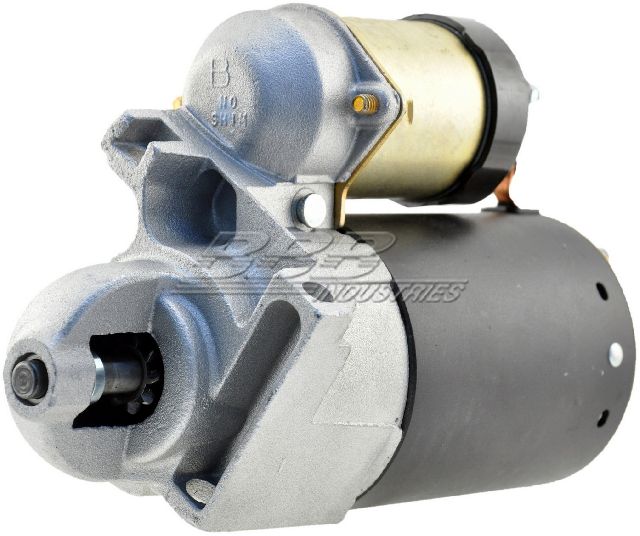
- BBB Industries: This is one of the largest remanufacturers in the aftermarket, supplying parts for many store brands like NAPA and AutoZone. They offer premium remanufactured starters designed to meet original specifications. While they are a cost-effective option, some professional mechanics prefer parts from a local rebuilder over mass-market remanufactured units.
- WAI Global: WAI typically offers brand-new starters, not remanufactured, often at a competitive price. User reviews are very mixed. Some have had no issues, while others report parts that were dead on arrival, did not fit correctly, or failed catastrophically. It's a budget-friendly choice, but may carry a higher risk compared to more established brands.
A Note on Remanufactured vs. New: A "remanufactured" starter has been disassembled, cleaned, and had its worn components replaced. A "new" aftermarket starter is built entirely from new components, often in China. For this Regal, a quality remanufactured unit from a reputable brand can be just as reliable as a new one.
Starter Replacement Cost for 1989-1997 Buick Regal
The total cost depends on whether you do the work yourself or hire a professional. A shop will typically charge for 1 to 1.5 hours of labor.
| Part or Service | Estimated Cost |
|---|---|
| New Aftermarket Starter | $113 - $254 |
| Shop Labor | $150 - $251 |
| Total Professional Installation | $263 - $505 |
Cost estimates are based on a range of available data and may vary by location and specific vehicle configuration.
Frequently Asked Questions (FAQ)
Can I replace the starter on my Buick Regal myself?
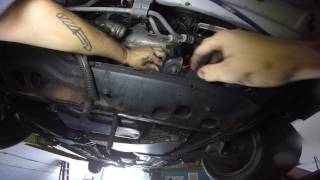
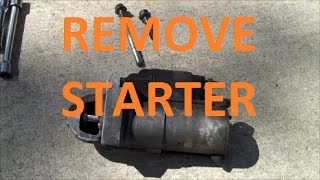
Yes, this is a very manageable job for a DIYer with basic tools. The starter is located underneath the vehicle where the engine connects to the transmission. The process requires you to safely raise and support the front of the car on jack stands, disconnect the battery, remove two electrical wires from the starter, and then unbolt the two mounting bolts that hold it in place. The entire job usually takes 1-2 hours.
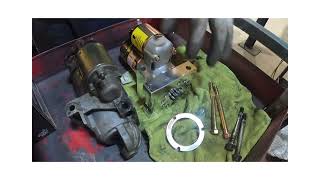
🎬 Watch this step-by-step DIY guide for the 3.8L engine.Do I need any special tools to replace the starter?
No special tools are required. You will need a good socket set with extensions, wrenches (typically 13mm and 15mm), a floor jack, and a pair of sturdy jack stands for safety. Always disconnect the negative battery terminal with a 10mm wrench before you begin.
My new starter just clicks. What's wrong?
First, confirm your battery is fully charged. A new starter cannot overcome a weak or dead battery. If the battery is good, re-check your wiring. The large battery cable and the small ignition switch wire must be clean and tightly secured to the correct posts on the starter solenoid. A poor connection is the most common reason for a no-start condition after a replacement.
What are starter shims and do I need them?
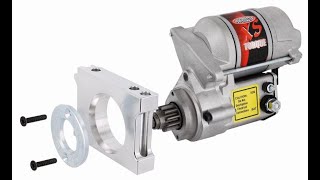
Some GM vehicles of this era used thin metal shims between the starter and the engine block to ensure the starter gear properly aligns with the flywheel. If you remove an old starter and find shims, you must reinstall them with the new starter to prevent grinding noises or damage. Not all vehicles will have them.
🎬 Learn how to shim a GM starter the right way.Helpful Videos


Technical Specifications
OEM Part Numbers: 10455006 10455025 10465098 10465312 10465490 89016660
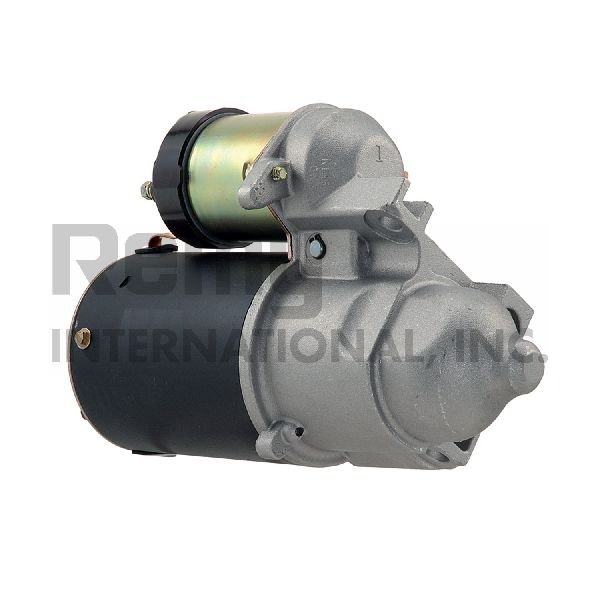
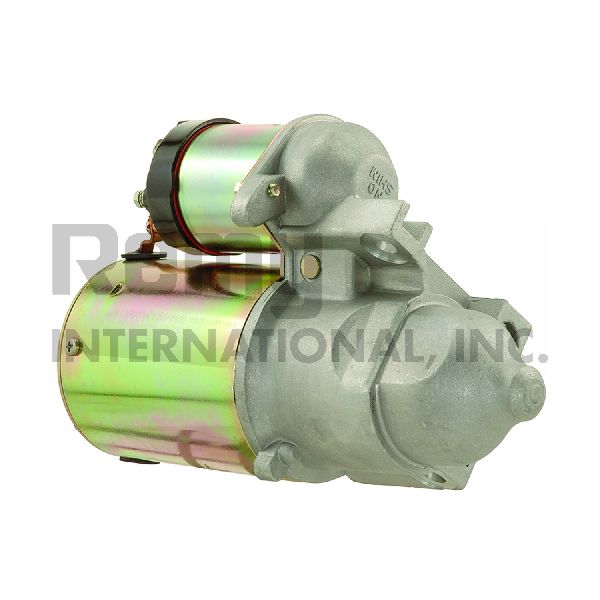
The starter is typically a 12-volt, direct-drive motor with a 2-bolt mounting pattern, located where the engine block meets the transmission. Starters for the 3.1L and 3.8L V6 engines may have different part numbers but share a similar design and replacement procedure.
We Have This Part in Stock

The information in this article is provided for general reference and educational purposes only. Vehicle specifications, procedures, and part compatibility can vary by production date, trim level, and region. Always consult your vehicle's factory service manual and verify part numbers before purchasing or performing repairs. Safety-critical components such as airbags, seat belts, and braking systems should be installed by a qualified professional.
- Buick Regal: