

Accessory Drive Belt Guide for the 1989-1997 Chevrolet Tracker
Don't get stranded—learn to spot failing belts and choose the right aftermarket replacement for your Tracker.
- Your Tracker uses multiple V-belts, not a single serpentine belt; verify your configuration (with/without A/C, Power Steering) before buying.
- Squealing noises, visible cracks, and fraying are clear signs that your belts need to be replaced immediately.
- High-quality aftermarket brands like ACDelco are reliable and cost-effective choices for this vehicle.
- Replacement is a straightforward DIY job, but ensuring correct manual belt tension is crucial to avoid noise and damage to accessories.
Understanding Your Tracker's Multi-Belt System
A common mistake when ordering parts for a 1989-1997 Chevrolet Tracker is assuming it has one single serpentine belt. This vehicle uses a multi-belt system. Typically, one belt runs the alternator and water pump. A second belt runs the power steering pump and A/C compressor if your vehicle has those options. It is critical to check which belts your specific Tracker needs before ordering. Look in your engine bay to see how many belts you have and what parts they connect to.
Symptoms of a Failing Accessory Drive Belt
A worn-out drive belt gives clear warning signs. Ignoring them can leave you stranded on the side of the road. If a belt breaks, your engine can quickly overheat, the battery will stop charging, and you will lose power steering. Look and listen for these common symptoms:
- Squealing Noises: A high-pitched squeal when you start the engine, accelerate, or turn the steering wheel is the most common sign of a worn or loose belt. The noise might be worse in cold or wet weather.
- Visible Wear: Inspect the belts regularly. If you see cracks, fraying, missing ribs, or a glazed, shiny appearance, the belt needs to be replaced immediately.
- Accessory Problems: If your battery isn't charging (alternator issue) or the engine temperature is rising (water pump issue), a slipping or broken belt could be the cause.
Don't Ignore a Squealing Belt
While you can technically drive with a squealing belt, it's a sign that the belt is failing and should be replaced as soon as possible. A belt that is slipping can't properly power your accessories, and it could break at any moment.
Choosing the Right Aftermarket Belt
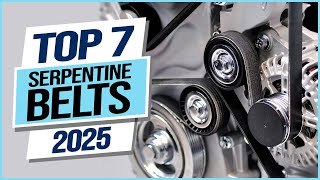
For a vehicle like the 1989-1997 Tracker, a quality aftermarket belt is a smart and affordable choice. OEM-quality is not a major concern for a simple part like a drive belt on this vehicle, as long as you choose a reputable brand. Brands like ACDelco, Gates, and Dayco are well-respected and manufacture belts from modern EPDM rubber, which resists heat and cracking better 🎬 Watch this guide to the best aftermarket serpentine belt brands. than older materials.
ACDelco is the original parts brand for General Motors, so their products are considered equivalent to the original factory parts. Since your Tracker was sold under the Chevrolet brand, an ACDelco belt is an excellent choice that meets or exceeds original specifications.
Pro Tip: Check Pulleys and Tension
The 1989-1997 Tracker uses a manual tensioning system, not a modern spring-loaded one. When you replace the belts, inspect the pulleys for cleanliness and damage. Spin them by hand; if you feel wobbling or hear grinding noises, the accessory's bearing may be failing and should be addressed to prevent damage to your new belt. Proper tension is key: too loose and it will squeal, too tight and it will damage the accessory bearings.
Estimated Costs for Accessory Drive Belt Replacement
| Part/Service | Estimated Cost |
|---|---|
| New Aftermarket Accessory Drive Belt | $10 - $41 |
| Shop Labor for Installation | $40 - $80 |
Frequently Asked Questions
Is replacing the accessory drive belts a DIY job?
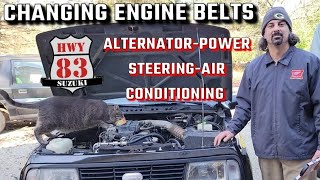
Yes, for most home mechanics with basic tools, this is a very doable job. Access is generally good on the Tracker's 1.6L engine. The process involves loosening bolts on an accessory, like the alternator, to pivot it and release belt tension. 🎬 See how to replace alternator and power steering belts yourself. The job typically takes less than an hour.
How often should I replace my Tracker's drive belts?
A good rule of thumb for a vehicle of this age is to inspect the belts at every oil change. Plan to replace them every 4 to 5 years or every 40,000 to 50,000 miles as a preventative measure, even if they look okay. Heat and age are the primary factors in belt failure.
Will a new belt fix a squealing noise?
Often, yes. If the old belt is worn, glazed, or cracked, a new belt will likely solve the squeal. However, squealing can also be caused by incorrect tension, a misaligned pulley, a failing bearing in an accessory, or fluid contamination from an oil or coolant leak. Always inspect the entire system when replacing a belt.
Are there any recalls for the drive belts on this Tracker?
No, there are no recalls or Technical Service Bulletins (TSBs) from the NHTSA related to the accessory drive belts for the 1989-1997 Chevrolet Tracker.
Helpful Videos
Technical Specifications
OEM Part Numbers: 30002603 96011188 1752186500
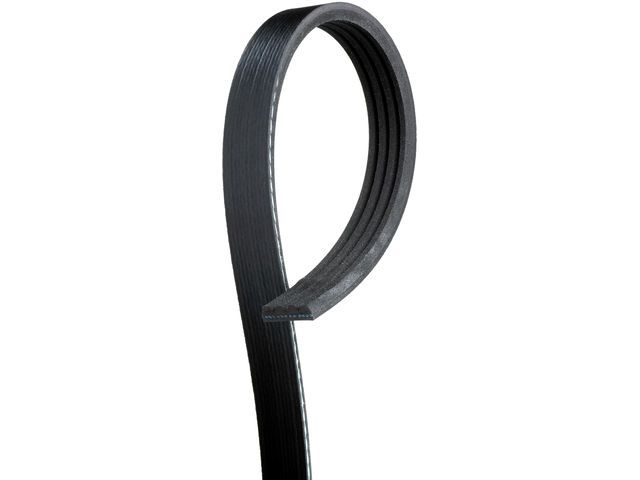
The 1989-1997 Tracker uses a multiple V-belt system. The number and length of the belts depend on the specific accessories installed (Air Conditioning, Power Steering). Belts are typically 4-ribbed (4PK) and made of EPDM rubber. It is essential to match the part to the vehicle's specific configuration.
We Have This Part in Stock

The information in this article is provided for general reference and educational purposes only. Vehicle specifications, procedures, and part compatibility can vary by production date, trim level, and region. Always consult your vehicle's factory service manual and verify part numbers before purchasing or performing repairs. Safety-critical components such as airbags, seat belts, and braking systems should be installed by a qualified professional.
- Chevrolet Tracker:
- 🎬 Helpful Videos
- 🛍️ Shop This Part
- Understanding Your Tracker's Multi-Belt System
- Symptoms of a Failing Accessory Drive Belt
- Don't Ignore a Squealing Belt
- Choosing the Right Aftermarket Belt
- Pro Tip: Check Pulleys and Tension
- Estimated Costs for Accessory Drive Belt Replacement
- Frequently Asked Questions
- 🎟️ Get 5% Off