

Chevrolet Tracker 1989-1997 Oxygen Sensor: A Mechanic's Replacement Guide
If your Tracker is running rough or failing emissions, the oxygen sensor is a primary suspect—here's how to choose the right part.
- Confirm if your Tracker is OBD-I (pre-1996) or OBD-II (1996-97) as it affects diagnostics.
- Choose a direct-fit sensor from a quality brand like Denso or NGK for the best reliability.
- A bad O2 sensor will almost always cause poor fuel economy and can lead to more expensive catalytic converter damage if ignored.
- A special O2 sensor socket is not required but makes the DIY replacement job significantly easier.
Is Your Tracker's Oxygen Sensor Failing?
A bad oxygen sensor can make itself known in several ways. The most obvious sign is the Check Engine Light illuminating on your dashboard. You may also notice a significant drop in fuel economy, a rough idle, or engine hesitation and misfires. In some cases, you might smell gasoline or see black smoke from the exhaust, which indicates the engine is running too rich (using too much fuel).
OBD-I vs. OBD-II: A Critical Note for Tracker Owners
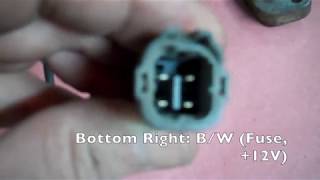
The 1989-1997 generation of the Tracker spans a major change in automotive diagnostics. Models from 1989-1995 are OBD-I, while models from 1996-1997 are OBD-II. This is important because OBD-II systems provide more specific trouble codes. If you have a 1996 or 1997 Tracker, a code like P0135 points directly to a fault in the O2 sensor's heater circuit. 🎬 Watch: Diagnostic and replacement walkthrough for 1996-1997 models OBD-I systems are less specific, making diagnosis slightly more challenging. 🎬 See how to test a 1995 heated oxygen sensor Always confirm your vehicle's year before ordering parts or starting diagnostics.
Choosing the Right Aftermarket Oxygen Sensor
For a vehicle like the Tracker, you don't need to pay dealership prices for a quality oxygen sensor. Reputable aftermarket brands offer excellent performance. However, it's important to choose a 'direct-fit' sensor with the correct plug to avoid cutting and splicing wires. Low-quality or incorrect aftermarket sensors can sometimes cause performance issues without even triggering a trouble code.
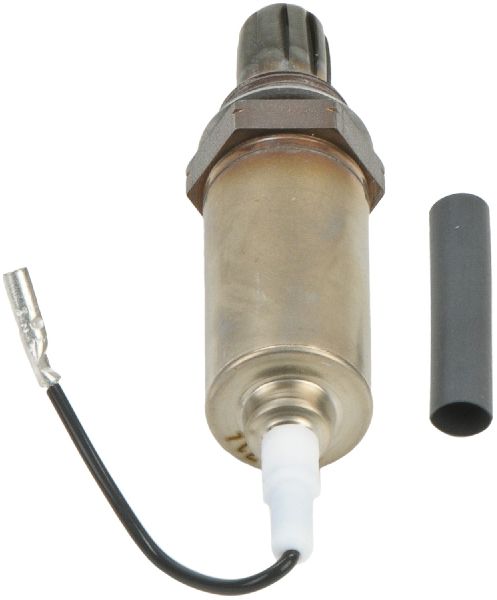
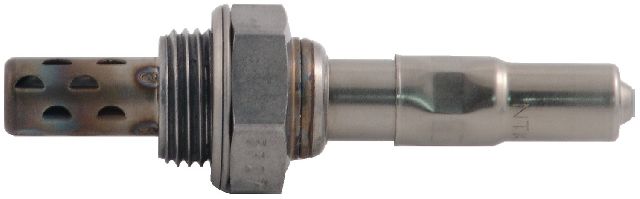
- Premium (OEM-Quality): Brands like Denso and NGK (also sold as NTK) are often the original equipment manufacturers for Japanese vehicles like the Suzuki-built Tracker. They are widely trusted by mechanics for their reliability and long life.
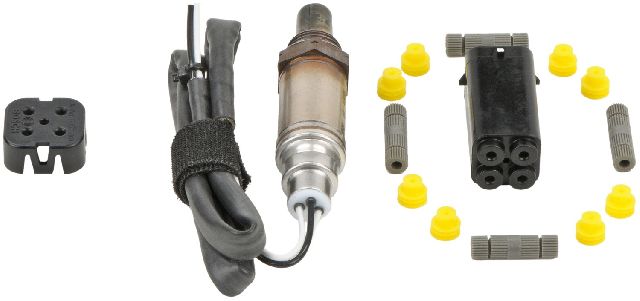
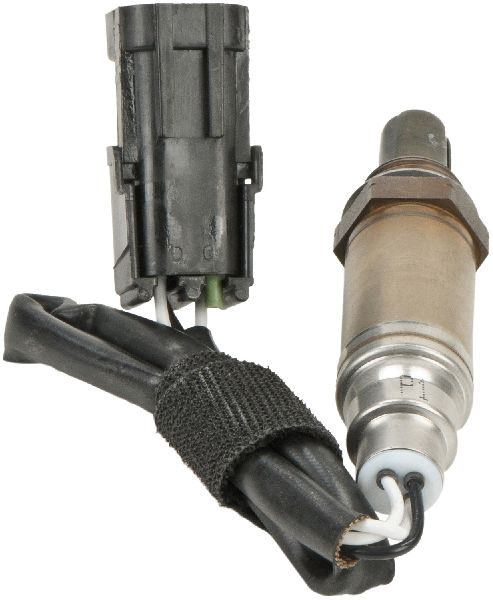
- Quality Aftermarket: Bosch is a massive, well-regarded parts manufacturer that produces reliable oxygen sensors. Some mechanics note that their universal sensors can be physically larger than the original, which could be a tight fit, but a direct-fit model is generally a solid choice.
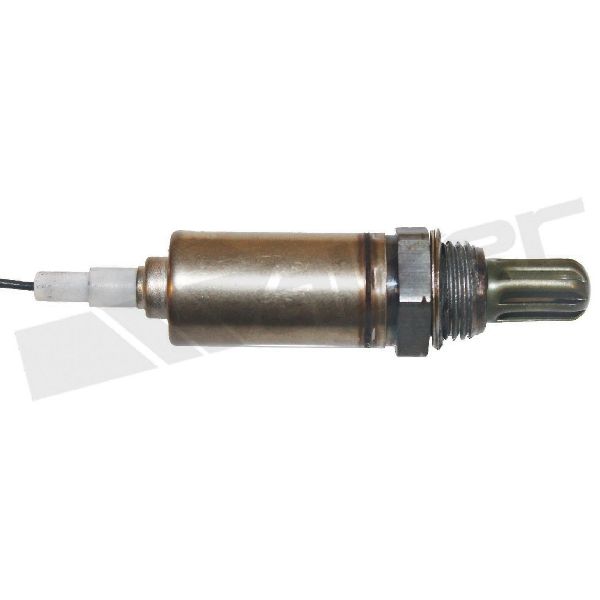
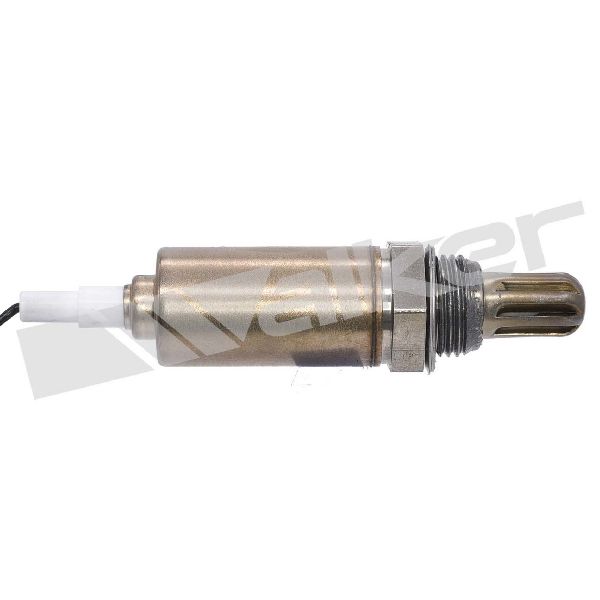
- Standard/Budget: Walker Products are known for making affordable, direct-fit exhaust components that work well out of the box. While some forum users have questioned their long-term durability compared to premium brands, they offer a good balance of price and performance for a budget-conscious repair.
Cost to Replace a Chevrolet Tracker Oxygen Sensor
| Item | Estimated Cost |
|---|---|
| New Aftermarket Part | $39.32 - $77.00 |
| Shop Labor | $80 - $160 |
| Total Professional Replacement | $120 - $240 |
Pro Tip: Replacing an oxygen sensor is a feasible DIY job for many. The key is having the right tool—a special oxygen sensor socket with a slot for the wire makes the job much easier. Always apply anti-seize compound to the threads of the new sensor to make future removal possible.
Frequently Asked Questions
How many oxygen sensors does my 1989-1997 Tracker have?
Most 1.6L Trackers of this era have one or two oxygen sensors. OBD-II models (1996-1997) typically have two: one before the catalytic converter (upstream) and one after (downstream). The upstream sensor (Bank 1, Sensor 1) is the one that controls fuel mixture and is the most common one to fail.
Can I just clean my old oxygen sensor?
No. While some products claim to clean sensors, it's not a reliable or long-term fix. The sensing element becomes contaminated and wears out internally over time. Replacement is the only proper solution to restore performance.
🎬 Vea cómo diagnosticar y cambiar el sensor de oxígenoWhat does 'direct-fit' vs. 'universal' sensor mean?
A 'direct-fit' sensor has the exact same length, grommets, and electrical connector as your factory part, making for a simple plug-and-play installation. A 'universal' sensor requires you to cut the plug off your old sensor and splice it onto the new one. This adds time, complexity, and a potential point of failure. For this vehicle, a direct-fit part is strongly recommended.
Why is my Check Engine Light still on after replacing the sensor?
There are a few possibilities. First, the trouble code may need to be cleared from the computer's memory with a scan tool. Second, the new code could be for the *other* oxygen sensor if your vehicle has two. Finally, the code may have been triggered by a different issue, such as a vacuum leak, exhaust leak, or a problem in the sensor's wiring harness, not the sensor itself.
Helpful Videos
Technical Specifications
The correct sensor will be a heated, direct-fit model. The specific part number and number of sensors (one or two) depends on the model year (OBD-I vs. OBD-II) and specific emissions package. Always verify the part against your vehicle's VIN or specific sub-model.
We Have This Part in Stock

The information in this article is provided for general reference and educational purposes only. Vehicle specifications, procedures, and part compatibility can vary by production date, trim level, and region. Always consult your vehicle's factory service manual and verify part numbers before purchasing or performing repairs. Safety-critical components such as airbags, seat belts, and braking systems should be installed by a qualified professional.
- Chevrolet Tracker: