

Ford F-350 Ignition Control Module: A Guide for 1989-1997 Models
If your truck stalls when it gets hot or refuses to start, the ignition control module is a prime suspect.
- The most common symptom of failure is the engine stalling when hot and restarting after it cools down.
- Heat is the primary cause of failure; applying new thermal paste during installation is critical.
- Confirm if your truck has the distributor-mounted (pre-1992) or fender-mounted (1992+) module before buying.
- A bad PIP sensor inside the distributor can cause the exact same symptoms as a bad module.
Is Your F-350 Stalling? Check the Ignition Module

The ignition control module (ICM) is a common failure point on 1989-1997 Ford F-350 trucks. Heat is its biggest enemy. Over years of engine heat, the electronics inside the module break down, causing problems that can leave you stranded. When it starts to fail, it often acts up when the engine is hot and may work fine again after it cools down.
Symptoms of a Failing F-350 Ignition Module

A bad ignition module can create several frustrating issues. Look out for these common signs:
- Stalling When Hot: This is the most classic symptom. The truck runs fine when it's cold, but after 20-30 minutes of driving, it stalls and won't restart until it cools off.
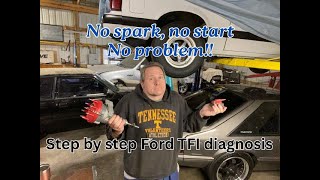
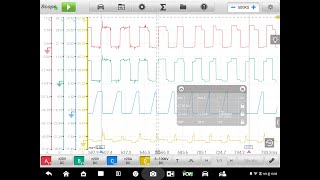
- No Start: The engine cranks but never fires up because there is no spark. 🎬 Watch: How to test for spark and troubleshoot TFI issues
- Starts, Then Dies: The engine might fire for a second and then immediately die.
- Rough Running and Misfiring: The truck may buck, sputter, or feel like it's hitting a rev limiter at higher RPMs.
- Sudden Loss of Power: You might be driving along, and the engine suddenly loses all acceleration.
Distributor-Mounted vs. Fender-Mounted: A Key Difference
Before you buy a part, you MUST know where your module is located. Ford changed the location during this generation.
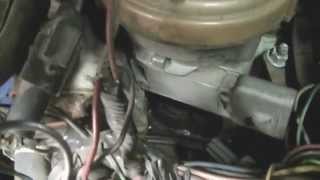
- Early Models (approx. 1989-1991): The module is mounted directly to the side of the distributor. 🎬 See this walkthrough for replacing a distributor-mounted module This location exposes it to intense engine heat, making it fail more often.
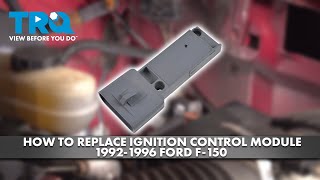
- Later Models (approx. 1992-1997): Ford moved the module to a heat sink on the driver's side inner fender, away from the engine's direct heat. 🎬 Watch: How to replace a fender-mounted ignition module
Visually check your truck to confirm which setup you have before ordering a replacement.
Choosing an Aftermarket Ignition Module: Delphi vs. Standard Ignition

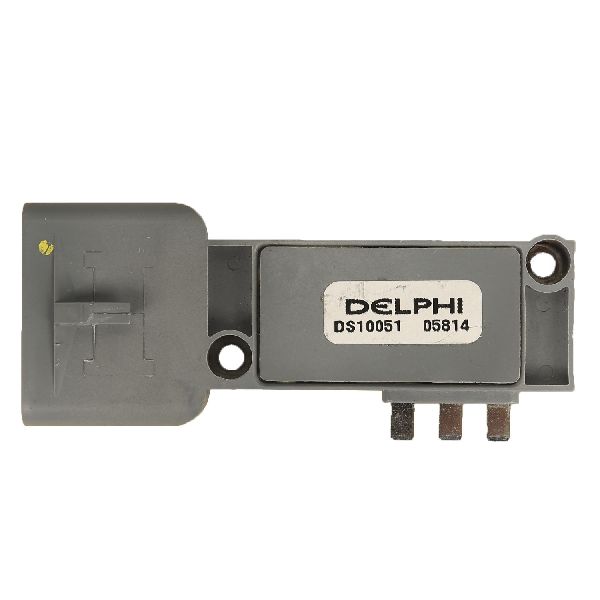
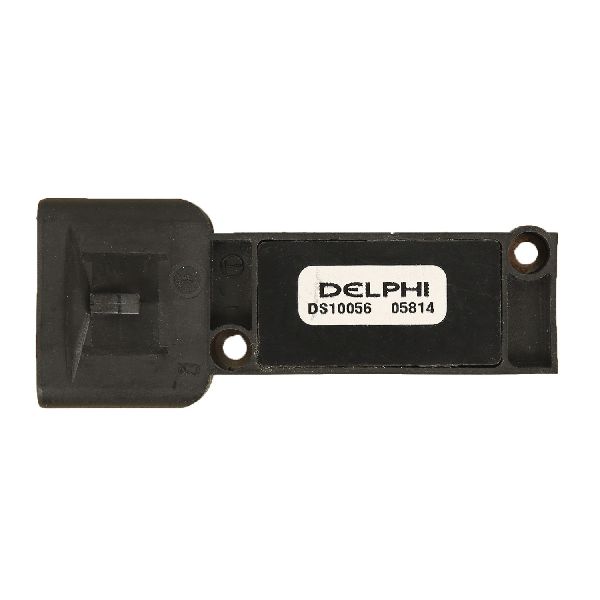
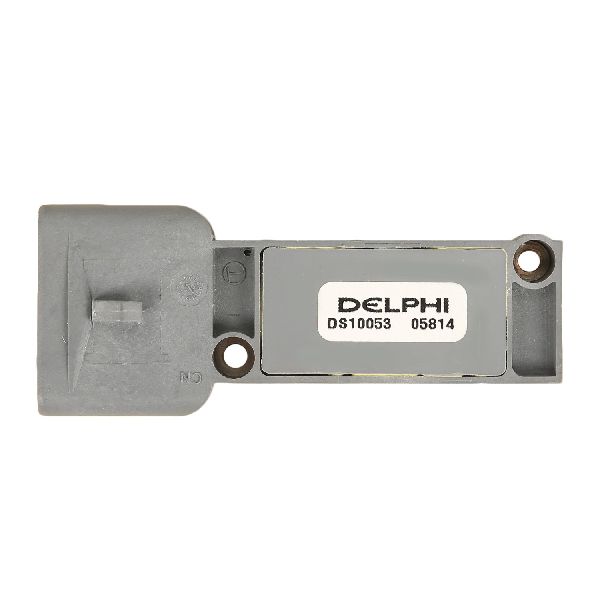
When your original Motorcraft module fails, you have options. Delphi and Standard Ignition (Standard Motor Products) are two of the most common aftermarket brands available. Both are established companies that supply parts to many automakers.
Owner experiences with aftermarket modules are mixed. Some users in truck forums report that aftermarket parts, even from reputable brands, can fail much sooner than the original. However, others have used brands like Standard with good results. Delphi is also generally considered a quality OE supplier. The reality for these older trucks is that even OEM-branded parts can sometimes have quality issues.
The Verdict: Both Delphi and Standard Ignition are considered better-tier aftermarket choices. They offer a significant cost saving over dealer parts. Given the high failure rate of this part in general, some owners choose to buy a quality aftermarket module and keep the old one (if it's intermittently working) or a spare in the glove box as a backup.
Pro Tip: It Might Not Be the Module
The symptoms of a bad ignition module are nearly identical to a failed Profile Ignition Pickup (PIP) sensor. The PIP sensor is located inside the distributor and sends the initial signal to the module. If you replace the module and the problem persists, the PIP sensor is the next logical part to check. Also, always check for loose or corroded ground wires, as bad grounds can cause all sorts of strange electrical problems that can mimic a module failure.
Cost of Replacing an F-350 Ignition Control Module
| Part Type | Estimated Cost |
|---|---|
| New Aftermarket (Delphi, Standard) | $93.74 - $107.62 |
| New OEM (Motorcraft) | $120 - $180 |
| Shop Labor | $60 - $120 |
Frequently Asked Questions

Do I need a special tool to replace the ignition module?
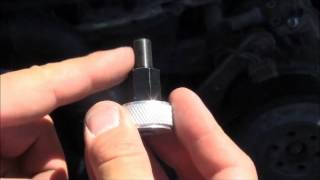
Yes, if it's mounted on the distributor. You will need a special thin-walled 5.5mm or 7/32" socket to remove the small bolts. Most auto parts stores sell this tool. If your module is mounted on the fender, you only need basic hand tools like a 5/16" or 8mm socket.
Was there a recall for the ignition module?
No, there was no official recall for the ignition control module itself. There was a class-action lawsuit that resulted in an extended warranty for some owners, but that has long since expired. There was, however, a major recall (NHTSA 96V071000) for the ignition switch inside the steering column on 1989-1993 models, which could cause a fire. These are two separate parts and issues.
Why is applying thermal grease so important?
The white or clear grease that comes with a new module is not optional. It's a special thermal compound designed to transfer heat from the module into the metal heat sink or distributor base. Without it, the new module will overheat and fail very quickly, sometimes in minutes. Always clean the old paste off the mounting surface before applying a thin layer of the new paste.
What's the difference between the gray and black modules?
Ford used two colors for their TFI modules: gray and black. The black module was typically for computer-controlled timing advance, while the gray one was not. For the 1989-1997 F-350, you should always replace your module with one of the same color to ensure proper function.
Helpful Videos
Technical Specifications
OEM Part Numbers: F81Z-12B533-AC E7DF-12A297-A1A DY1075
Module type is dependent on model year. Early models use a distributor-mounted module, while later models (approx. 1992+) use a remote, fender-mounted module with a heat sink.
We Have This Part in Stock


The information in this article is provided for general reference and educational purposes only. Vehicle specifications, procedures, and part compatibility can vary by production date, trim level, and region. Always consult your vehicle's factory service manual and verify part numbers before purchasing or performing repairs. Safety-critical components such as airbags, seat belts, and braking systems should be installed by a qualified professional.
- Ford F-350:
- 🎬 Helpful Videos
- 🛍️ Shop This Part
- Is Your F-350 Stalling? Check the Ignition Module
- Symptoms of a Failing F-350 Ignition Module
- Distributor-Mounted vs. Fender-Mounted: A Key Difference
- Choosing an Aftermarket Ignition Module: Delphi vs. Standard Ignition
- Pro Tip: It Might Not Be the Module
- Cost of Replacing an F-350 Ignition Control Module
- Frequently Asked Questions
- 🎟️ Get 5% Off