

Ford Probe Engine Coolant Temperature Sensor: A Comprehensive Guide (1989-1997)
If your Probe is running rich, idling rough, or overheating, the engine coolant temperature sensor is a likely culprit.
- Verify which part you need: the two-wire ECU sensor, the one-wire gauge sender, or the separate fan switch on 1993 models.
- A bad ECT sensor is a primary cause of suddenly poor fuel economy and can lead to overheating.
- Choosing a quality aftermarket brand like Delphi or Beck Arnley can prevent premature failure and ensure accurate readings.
- This is a simple DIY replacement that can save you over $100 in labor costs.
Is It the Sensor, the Sender, or the Switch?
Before buying a part, it's crucial to know which unit you need to replace, as your Ford Probe may have more than one. This is a common point of confusion.
- Engine Coolant Temperature (ECT) Sensor: This is the main sensor for the computer (ECU). It has a two-wire electrical connector and directly affects engine performance, fuel mixture, and emissions. A failure here will usually trigger a Check Engine Light.
- Temperature Gauge Sender: This is a simpler, one-wire unit that only operates the temperature gauge on your dashboard. If your gauge is acting up but the engine runs fine, this sender is the likely problem.
- 1993 Probe Fan Switch: Uniquely, 1993 model year Probes (especially the V6 GT) have a third temperature unit located next to the coolant filler cap. This switch's only job is to control the cooling fans. On 1994-1997 models, this function was integrated into the main ECT sensor.
Symptoms of a Failing ECT Sensor
When the main ECT sensor fails, it sends incorrect information to the engine's computer. The computer might think the engine is cold when it's hot, or vice-versa. This leads to several noticeable problems:
- Poor Fuel Economy: The most common symptom. If the sensor falsely reports a cold engine, the computer will enrich the fuel mixture, wasting gas.
- Check Engine Light: A faulty ECT sensor will often trigger diagnostic trouble codes like P0115, P0116, P0117, or P0118.
- Cooling Fan Issues: The fans may not turn on when the engine gets hot, leading to overheating, or they might run constantly, even when the engine is cold.
- Black Smoke from Exhaust: This is a sign of an overly rich fuel mixture, where unburned fuel is exiting through the exhaust.
- Hard Starting or Rough Idle: The engine may be difficult to start, especially when hot, or it may idle erratically.
Choosing the Right Aftermarket Sensor
While an OEM Motorcraft sensor is always a safe bet, several quality aftermarket brands are available. For a critical sensor like this, it's often worth avoiding the absolute cheapest options, as some owners report premature failures or incorrect readings from budget parts. Pay close attention to the electrical connector to ensure it's an exact match for your vehicle's harness.
Premium Aftermarket (OEM-Equivalent): Brands like Delphi, Beck Arnley, and NGK/NTK are known for producing sensors that meet or exceed original equipment specifications. They are a reliable choice for long-term performance.
Standard Aftermarket: Brands like Standard Ignition (SMP) and Walker Products offer a good balance of quality and value. They are a popular choice for many repairs and are generally dependable.
Value-Oriented: Brands such as URO Parts and other unbranded options are the most budget-friendly. While they can work, they may have a higher risk of fitment issues or a shorter lifespan compared to premium brands.
| Part Type | Estimated Cost |
|---|---|
| New Aftermarket Sensor | $10 - $99 |
| Shop Labor | $85 - $125 |
| Total Professional Replacement | $95 - $224 |
Pro Tip: Replacing the ECT sensor is a straightforward DIY job that requires basic tools and can be completed in under an hour, saving you on labor costs.
Frequently Asked Questions
Where is the ECT sensor located on a Ford Probe?
Location varies by engine. On the 2.5L V6, it's typically found on the passenger side of the engine, near the timing belt cover at the end of the fuel rails. On 4-cylinder models, it is usually screwed into the cylinder head or thermostat housing. Always consult a repair manual for your specific year and engine to be certain.
Can I replace the engine coolant temperature sensor myself?
Yes, this is a DIY-friendly task. The process involves partially draining the coolant, unplugging the electrical connector, unscrewing the old sensor, installing the new one, and refilling the coolant. Just be sure to work on a cold engine to avoid burns.
What is the difference between the sensor and the gauge sender?
The sensor (two wires) talks to the engine computer to control performance. The sender (one wire) talks to the dashboard gauge to show you the temperature. They are separate parts with different jobs. A bad sensor affects how the car runs; a bad sender affects what the gauge reads.
What happens if I don't replace a bad ECT sensor?
Ignoring a bad ECT sensor can lead to persistently poor fuel economy, failed emissions tests, and poor engine performance. In a worst-case scenario where the sensor fails to trigger the cooling fans, it could lead to engine overheating and severe internal damage.
Technical Specifications
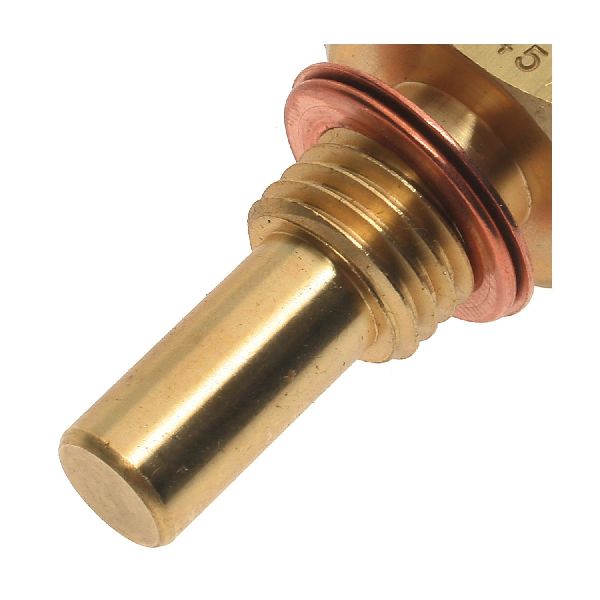
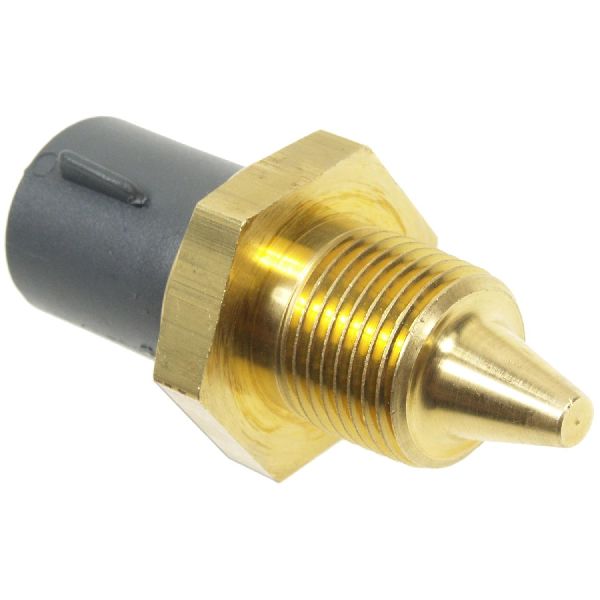
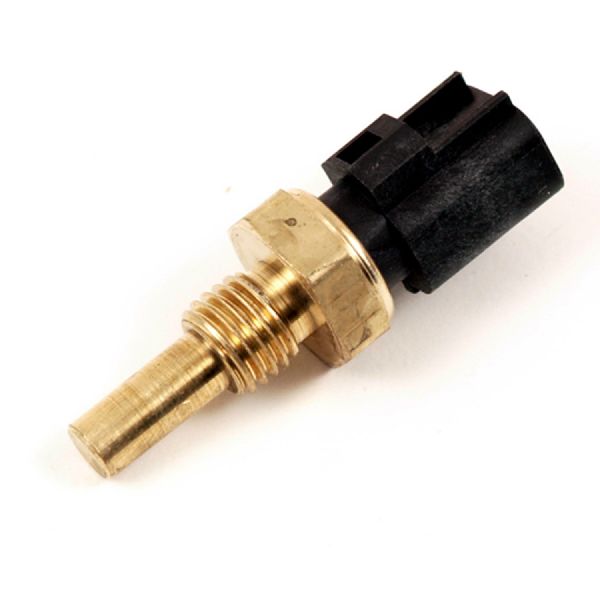
Connector type is critical. Most are 2-pin blade connectors, but the plastic housing keying (or 'noses') can differ by year and engine. Always visually match the new part to the old one before installation.
We Have This Part in Stock


The information in this article is provided for general reference and educational purposes only. Vehicle specifications, procedures, and part compatibility can vary by production date, trim level, and region. Always consult your vehicle's factory service manual and verify part numbers before purchasing or performing repairs. Safety-critical components such as airbags, seat belts, and braking systems should be installed by a qualified professional.
- Ford Probe: