

Ford Probe Engine Oil Pressure Switch: A Guide for 1989-1997 Owners
Is your Ford Probe's oil pressure gauge acting strange? Here’s what you need to know before you buy a new switch.
- A low or flickering oil pressure gauge is very common on Ford Probes and often caused by a faulty switch, not a bad engine.
- Always check your oil level first if you see a warning light; never ignore it, as it could signal a real, engine-destroying problem.
- For 1994-1997 models, the factory gauge is notoriously inaccurate and acts more like a simple on/off light.
- Replacement is a simple, inexpensive DIY job that requires a special oil pressure switch socket.
Is Your Oil Gauge Lying to You?
If you own a 1989-1997 Ford Probe, you might notice your oil pressure gauge reads very low or flickers. This is a very common issue. Before you worry about a bad oil pump, you should know that the oil pressure sending unit is a frequent failure point. It can give false readings or leak.
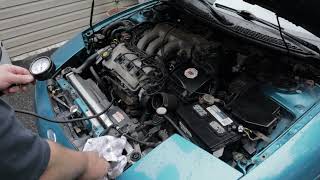
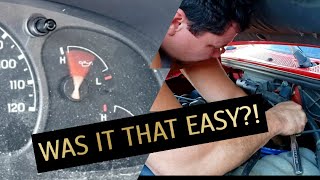
It's also important to know that on many later Probes (from 1994-1997), the gauge doesn't show true pressure. It's more like an on/off switch. It will either show a reading in the middle or drop to zero, with not much in between. The 1993 Probe GT is known for having a more active, variable gauge. 🎬 Watch: Understanding how Ford oil gauges behave and fail. Because of this, many owners see a low reading and think the engine is failing when it's just a bad sensor or a quirky gauge.
Symptoms of a Bad Oil Pressure Switch
Look out for these signs. A bad switch is a minor problem, but low oil pressure is critical. Always check your oil level first when you see a warning.
- Oil Pressure Light is On or Flickering: The most common symptom is the red oil warning light coming on or flashing, especially at idle.
- Gauge Reads Zero or Very Low: The gauge may drop to 'L' or show no pressure at all, even if the oil level is fine.
- Gauge Behaves Erratically: The needle might jump around or give readings that don't make sense with the engine speed.
- Visible Oil Leak: The switch itself can fail and leak oil. You might see oil on the sensor or on the ground below it.
Warning: Don't Ignore the Light
Even though the switch is a common failure point, an oil light can also mean your engine has dangerously low oil pressure. If the light comes on and you hear any new engine noises like knocking, ticking, or rattling, pull over immediately and shut off the engine to prevent catastrophic damage.
Choosing the Right Aftermarket Part
For a car like the Probe, a new OEM part from Ford is likely discontinued or hard to find. Aftermarket parts are your most realistic and affordable option. For a simple switch, most aftermarket brands will work well. Here’s a breakdown of the brands available:
- Premium Aftermarket (Hella, Rostra Powertrain): Hella is a well-respected German brand known for making original equipment for many car makers. Rostra specializes in powertrain electronics and is also known for high-quality, OE-level components. These brands are a great choice if you want the best possible quality and reliability.
- Quality Standard (Standard Ignition, Holstein): Standard Motor Products (SMP) is a long-time player in the aftermarket and is generally considered a reliable source for sensors. Holstein positions itself as an OE-equivalent brand with good quality control. These brands offer a great balance of quality and price.
- Value Option (Facet): Facet is an Italian brand that offers a functional, budget-friendly replacement. It's a good choice if cost is your main priority.
Pro Tip: Get the Right Socket
Replacing the switch is an easy DIY job, but you will need a special deep socket for oil pressure switches. It's a large socket, often 24mm or larger, that you can get from any auto parts store. Using the wrong tool can damage the new switch.
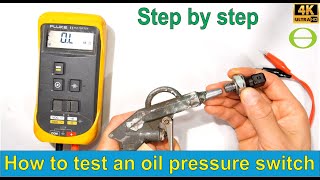
🎬 See this tutorial on how to test an oil switch.Estimated Costs
The cost to fix this issue is low, especially if you do it yourself. The part itself is inexpensive.
| Item | Estimated Cost |
|---|---|
| New Aftermarket Switch | $7 - $22 |
| Shop Labor | $50 - $150 |
| Total Professional Repair | $57 - $172 |
Frequently Asked Questions
Where is the oil pressure switch located on my Ford Probe?
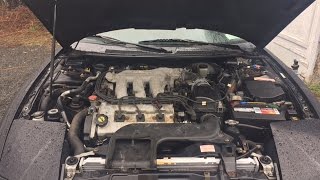
For the second-generation Probe (1993-1997), the switch is on the front of the engine block, facing the radiator, often near the oil filter. 🎬 Watch: How to replace the sending unit on a V6. For the first-generation 2.2L Turbo engine, it is located on the rear of the engine block, above the starter.
Is it safe to drive with a bad oil pressure switch?
If you are certain only the switch is bad (your oil level is full and the engine sounds normal), you can drive the car, but you should replace it as soon as possible. Driving without a working oil pressure warning system means you won't be alerted if a real oil pressure problem happens, which could destroy your engine.
Do I need to drain the engine oil to replace the switch?
No, you typically do not need to drain the oil. The switch is located high enough on the engine block that only a small, negligible amount of oil will drip out when you remove it. Have a rag ready to clean up any drips.
My new switch is installed, but the gauge still reads low. Why?
This is a common experience for Probe owners. The gauges are known to be inaccurate. As long as the gauge is off the 'zero' peg when the engine is running and you have no warning lights or engine noise, it is likely fine. To be 100% sure, you can have a mechanic test the actual oil pressure with a mechanical gauge.
Helpful Videos
Technical Specifications
OEM Part Numbers: E9SZ9278A E6SZ9278A F4TZ9278A
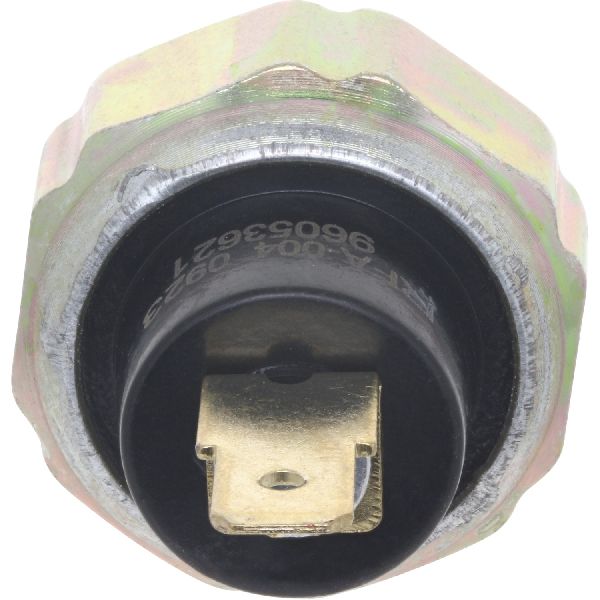
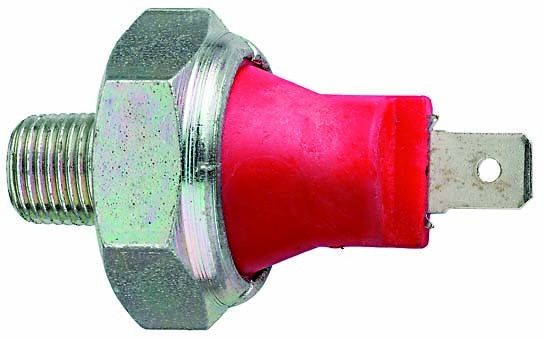
Thread Size: 1/8" BSPT or 1/8" NPT (Varies by engine/year). Connector Type: 1-Pin Blade Terminal. Switch Pressure: Typically activates around 4-7 PSI.
We Have This Part in Stock


The information in this article is provided for general reference and educational purposes only. Vehicle specifications, procedures, and part compatibility can vary by production date, trim level, and region. Always consult your vehicle's factory service manual and verify part numbers before purchasing or performing repairs. Safety-critical components such as airbags, seat belts, and braking systems should be installed by a qualified professional.
- Ford Probe: