

Choosing the Right Spark Plugs for Your 1989-1997 Ford Probe
Keep your Probe's engine firing on all cylinders with the correct set of new aftermarket spark plugs.
- Identify your engine first: The 1989-1992 2.2L and the 1993-1997 2.0L or 2.5L V6 use different plugs.
- NGK and Motorcraft are the most recommended brands for reliability and performance in a Probe.
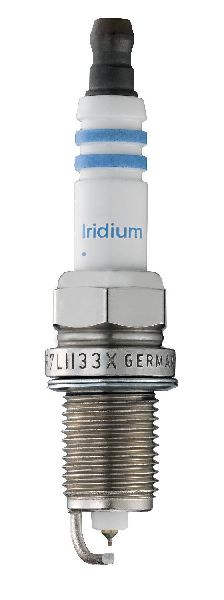
- For the 2.5L V6, use long-life Iridium plugs to extend the time between the difficult rear bank replacement.
- Always check for oil in the spark plug wells, as leaking valve cover gaskets are a very common problem.
Understanding Your Ford Probe's Ignition Needs
The Ford Probe was built in two generations, each with different engines. It's crucial to know which engine you have before buying spark plugs. The first generation (1989-1992) used a Mazda-sourced 2.2L 4-cylinder engine, which was also available in a turbocharged version. The second generation (1993-1997) offered a 2.0L 4-cylinder or a more powerful 2.5L V6, both Mazda designs. Each engine has specific spark plug requirements.
A Note on the 2.5L V6 Engine
If you have the 2.5L V6 engine, be aware that replacing the three spark plugs on the rear bank (closest to the firewall) is a difficult job. The intake manifold often needs to be removed to get access, which significantly increases the time and complexity of the replacement. Many owners also report that leaking valve cover gaskets can cause oil to fill the spark plug wells, which must be cleaned up and the gaskets replaced to prevent misfires.
Symptoms of Failing Spark Plugs
Worn-out spark plugs can cause a variety of noticeable problems. If you experience any of these, it might be time for a new set:
- Rough Idling: Your engine may shake or vibrate when the car is stopped.
- Poor Acceleration: The car may feel sluggish or hesitate when you press the gas pedal.
- Engine Misfires: You might feel a jerking or stumbling sensation while driving, especially under load.
- Reduced Fuel Economy: You'll find yourself filling up the gas tank more often.
- Check Engine Light: A misfire can trigger the check engine light. Common codes include P0300 (random misfire) or P0301-P0306 (misfire in a specific cylinder).
Choosing the Right Aftermarket Spark Plugs
For the Ford Probe, the original equipment (OEM) plugs were typically made by Motorcraft or NGK. These are always a safe and reliable choice. However, many aftermarket brands offer excellent quality, sometimes with different materials like iridium for longer life.
Brand Tiers for Your Probe
Tier 1: OEM-Equivalent & Highly Recommended
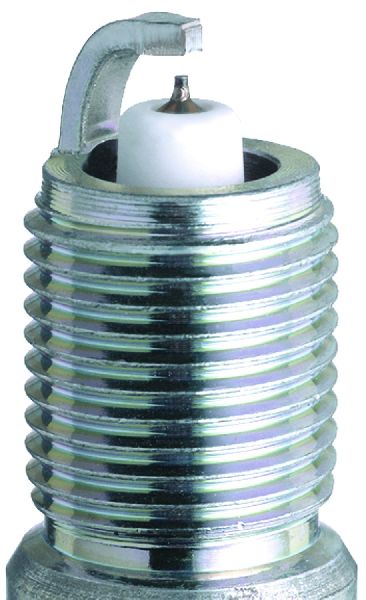
- NGK: Widely considered the best choice by Probe owners. Their V-Power and G-Power lines are excellent, affordable copper/nickel options, while their Iridium IX plugs offer longer life and improved performance.
- Motorcraft: As the original Ford supplier, these plugs are designed specifically for your engine and guarantee a perfect fit and reliable performance.
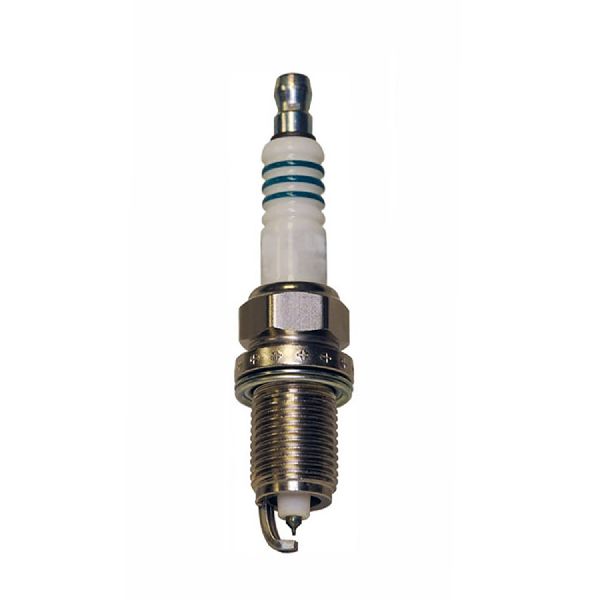
- Denso: A high-quality Japanese brand, similar in reputation to NGK. They offer a range of copper, platinum, and iridium plugs that are a great fit for the Probe's Mazda-derived engines.
Tier 2: Solid Mid-Range Options
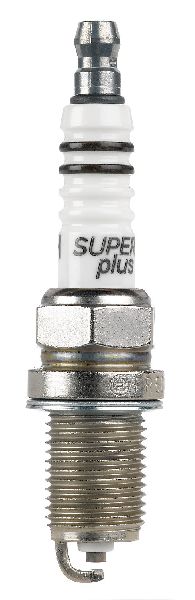
- Bosch: A reputable German brand that makes quality plugs. Their Platinum and Double Iridium plugs are popular choices.
- Autolite: A common and reliable American brand. Their copper and platinum plugs are a cost-effective choice for a standard replacement.
Tier 3: Budget-Friendly
- Champion: A well-known brand offering basic, affordable copper plugs that get the job done.
- Skyward: Typically a store or budget brand. These will work but may not have the same lifespan or performance consistency as higher-tier brands.
| Brand Tier | Material | Price Range (Per Plug) |
|---|---|---|
| Tier 1 (NGK, Motorcraft, Denso) | Copper/Platinum | $4 - $12 |
| Tier 1 (NGK, Denso) | Iridium | $10 - $22 |
| Tier 2 (Bosch, Autolite) | Copper/Platinum | $3.50 - $10 |
| Tier 3 (Champion, Skyward) | Copper | $3.50 - $6 |
Frequently Asked Questions (FAQ)
Do I need to gap my new spark plugs?
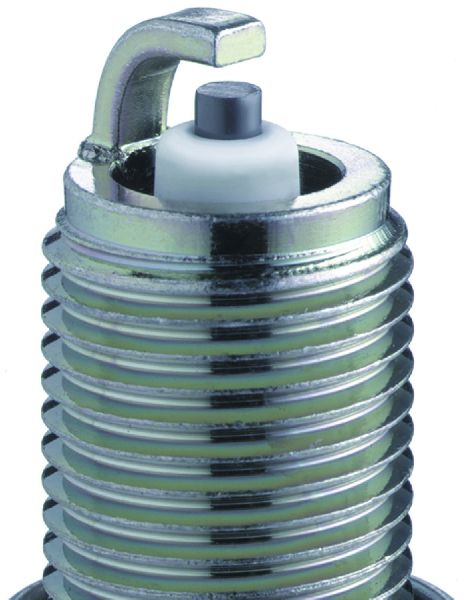
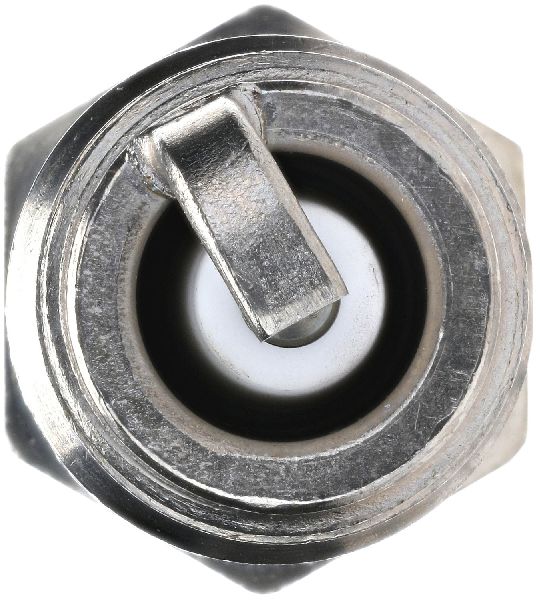
Yes, always check the gap before installation, even if the box says they are "pre-gapped." The correct gap for most Probes is between 0.039 and 0.043 inches, but always verify the specific requirement for your engine in your owner's manual or on the under-hood emissions sticker. Use a feeler gauge or wire-style gapping tool to check and adjust the gap.
How often should I replace my Ford Probe's spark plugs?
It depends on the type of plug. Standard copper plugs should be changed every 30,000 miles. Platinum and iridium plugs can last much longer, often between 60,000 and 100,000 miles. Given the age of these vehicles, a visual inspection during other maintenance is always a good idea.
Are there any recalls or TSBs for Ford Probe spark plugs?
There are no specific recalls or Technical Service Bulletins (TSBs) from Ford for the spark plugs themselves on the 1989-1997 Probe. However, some TSBs for other Ford models discuss issues with spark plug removal or misfire diagnosis which can provide general guidance. Misfires are a common topic in owner forums, often traced back to plugs, wires, or oil leaks into the plug wells.
Should I replace the spark plug wires at the same time?
Yes, it is highly recommended. Spark plug wires degrade over time and can become a source of misfires. Replacing the plugs and wires together ensures the entire secondary ignition system is in top shape. Brands like NGK offer wire sets that are a perfect match for their plugs.
Technical Specifications
OEM Part Numbers: AGSP33C SP-445 AGSP32C
Engine compatibility is critical. First-gen (1989-1992) uses a 2.2L I4 (including turbo). Second-gen (1993-1997) uses a 2.0L I4 or 2.5L V6. Recommended gap is typically 0.039"-0.043". Always confirm the correct part number for your specific engine before purchase.
We Have This Part in Stock

The information in this article is provided for general reference and educational purposes only. Vehicle specifications, procedures, and part compatibility can vary by production date, trim level, and region. Always consult your vehicle's factory service manual and verify part numbers before purchasing or performing repairs. Safety-critical components such as airbags, seat belts, and braking systems should be installed by a qualified professional.
- Ford Probe: