

A/C Condenser Replacement Guide for the 1989-1997 Ford Ranger
Get your Ranger's A/C blowing cold again by understanding how to choose the right replacement condenser.
- Verify if your Ranger uses the older R-12 or newer R-134a refrigerant before buying parts, as this was a transition period.
- Always replace the accumulator/drier and orifice tube when replacing the condenser to protect the A/C system.
- The A/C system must be professionally evacuated before starting work and vacuum-tested and recharged after installation.
- A compressor that won't turn on is often a symptom of a leak, not a failed compressor.
Is Your Ranger's A/C Blowing Warm Air?
If your 1989-1997 Ford Ranger's air conditioning isn't working, a bad A/C condenser is a common cause. Because it's mounted at the very front of the truck, it's exposed to rocks, road debris, and corrosion, which can cause leaks. Understanding the signs of failure and how to choose the right part will help you get the job done correctly.
Symptoms of a Failing A/C Condenser
- Warm Air From Vents: This is the most common symptom. If the refrigerant has leaked out, there is nothing for the system to circulate to create cold air.
- A/C Compressor Clutch Won't Engage: Your Ranger's A/C system has a low-pressure safety switch. If the refrigerant has leaked out, the pressure drops, and the switch prevents the compressor from turning on to protect it from damage. Many people mistakenly think their compressor is bad, when it's actually just a leak elsewhere.
- Visible Damage or Oily Residue: You may be able to see physical damage to the condenser's fins or notice a greasy, oily residue on the condenser itself. This is refrigerant oil that has leaked out with the refrigerant.
Known Issues, Recalls, or TSBs
No major recalls or Technical Service Bulletins (TSBs) have been issued by Ford or the NHTSA specifically for the A/C condenser on the 1989-1997 Ford Ranger models. Most failures are due to age, corrosion, or road debris damage.
Important: R-12 vs. R-134a Refrigerant
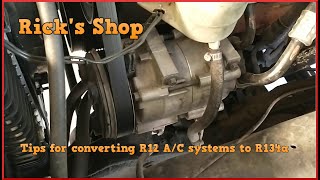
A critical factor for this generation of Ranger is the type of refrigerant. Models made before 1994 typically used R-12 refrigerant, while 1994 and newer models used R-134a. The systems are not directly compatible. If you are replacing the condenser on an older R-12 system, it is common to convert the entire system to the more modern and available R-134a. This requires replacing all O-rings, the accumulator, and flushing the old mineral oil out before adding new PAG or Ester oil. Ensure the condenser you buy is compatible with your refrigerant type.
🎬 Check out these expert tips for a successful R-134a conversion.Choosing the Right Aftermarket Condenser
When shopping for a new aftermarket condenser, you'll find several brands available, such as Spectra, APDI, and Global Parts. While there isn't a huge difference in quality between these common brands for this specific truck, here's what to focus on:
- Build Type: Many aftermarket condensers for this Ranger are a "parallel flow" design. This is a more efficient design than the older "tube and fin" or "serpentine" style and can improve cooling performance, especially if you have converted from R-12 to R-134a.
- Fitment: Check that the inlet and outlet ports match your existing lines. While brands like Spectra are known to fit well, some users have noted minor differences from the original factory part that might require slight adjustments during installation.
- Included Drier: Some condensers come with a new receiver/drier (also called an accumulator) already attached. It is mandatory to replace the accumulator anytime the A/C system is opened for repair, so buying them as a kit can save time and ensure compatibility.
| Part/Service | Estimated Cost |
|---|---|
| New Aftermarket Condenser | $130 - $155 |
| New OEM Condenser | $250 - $400+ |
| Shop Labor (Part Install) | $150 - $250 |
| Shop Labor (Evacuate & Recharge) | $100 - $200 |
| Total Professional Replacement | $380 - $605+ |
Pro Tip: Always Replace the Accumulator and Orifice Tube
When you replace your condenser, you must also replace the A/C accumulator/drier and the orifice tube. The accumulator absorbs moisture that can destroy the system from the inside out. Opening the system to replace the condenser exposes the accumulator's desiccant material to the atmosphere, ruining it. This is a cheap and essential part to replace for a lasting repair.
Frequently Asked Questions (FAQ)
Can I replace the A/C condenser myself?
Yes, this is a DIY-feasible job for someone with moderate mechanical skill. However, it is illegal to release refrigerant into the atmosphere. You must have the system professionally evacuated before you start work, and professionally vacuum-tested and recharged after you are done. The basic steps involve removing the grille, unbolting the radiator to tilt it back, disconnecting the A/C lines, and swapping the condenser.
🎬 Watch this step-by-step walkthrough of a Ranger condenser replacement.Why is my A/C only blowing out of the defrost vents?
This is a classic symptom of a vacuum leak on Ford trucks of this era. The vent doors in your dashboard are controlled by vacuum. When a leak occurs, the system defaults to sending air to the defrost vents for safety. This is not related to the condenser itself.
🎬 See how to find and fix those common vacuum leaks.Do I need to add oil when I replace the condenser?
Yes. When a condenser is replaced, a specific amount of A/C oil (PAG or Ester, depending on your system) must be added to make up for what was removed with the old part. The exact amount is usually listed in the service manual or the instructions with the new part. Too little or too much oil can damage the compressor.
Is a small leak a big deal?
Yes. Even a small leak will eventually let all the refrigerant escape, making the A/C system useless. More importantly, a leak allows humid air to enter the system, which can lead to internal corrosion and much more expensive repairs down the road.
Helpful Videos
Technical Specifications
OEM Part Numbers: F57Z-19712-A
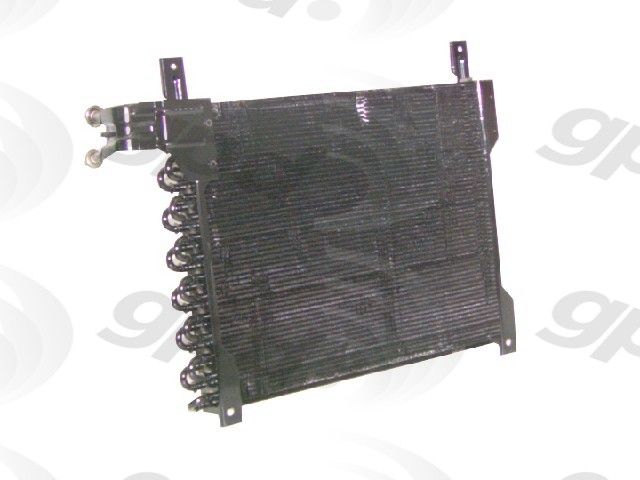
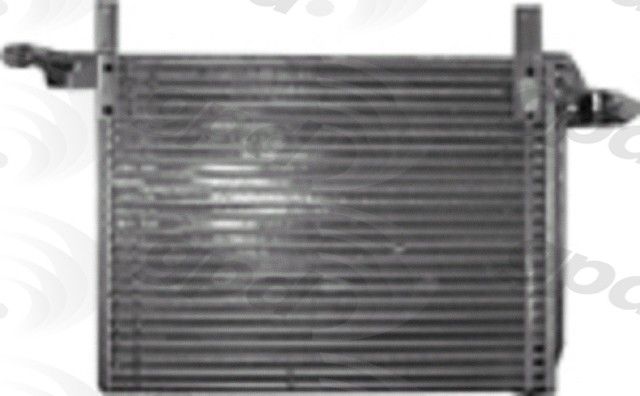
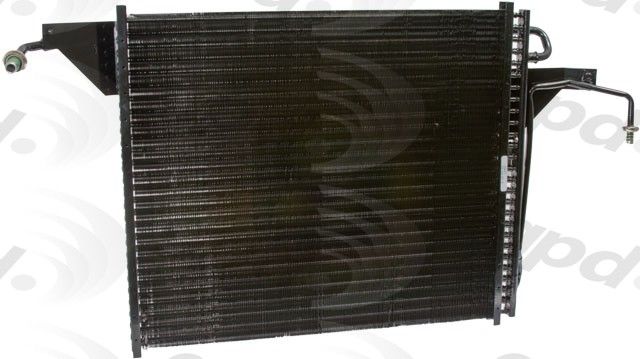
Vehicle-specific fit for 1989-1997 Ford Ranger. Construction may be serpentine, tube and fin, or the more efficient parallel flow design. Material is aluminum. Check for compatibility with R-12 or R-134a refrigerant systems.
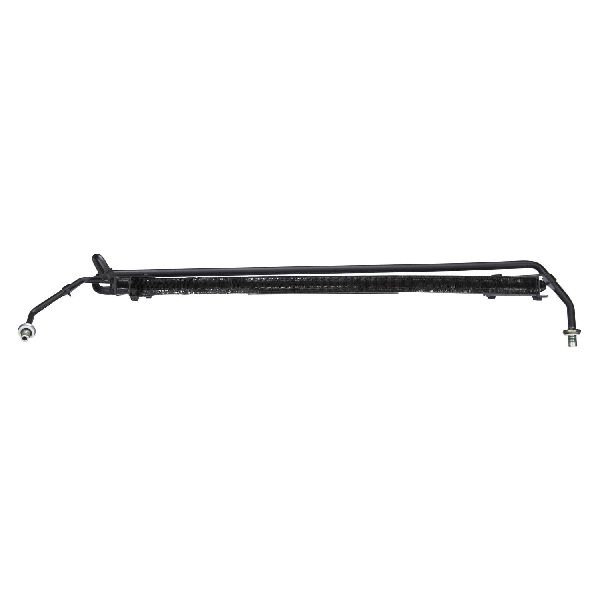
We Have This Part in Stock


The information in this article is provided for general reference and educational purposes only. Vehicle specifications, procedures, and part compatibility can vary by production date, trim level, and region. Always consult your vehicle's factory service manual and verify part numbers before purchasing or performing repairs. Safety-critical components such as airbags, seat belts, and braking systems should be installed by a qualified professional.
- Ford Ranger:
- 🎬 Helpful Videos
- 🛍️ Shop This Part
- Is Your Ranger's A/C Blowing Warm Air?
- Symptoms of a Failing A/C Condenser
- Known Issues, Recalls, or TSBs
- Important: R-12 vs. R-134a Refrigerant
- Choosing the Right Aftermarket Condenser
- Pro Tip: Always Replace the Accumulator and Orifice Tube
- Frequently Asked Questions (FAQ)
- 🎟️ Get 5% Off