

Geo Metro A/C Receiver Drier: A Complete Guide for 1989-1997 Models
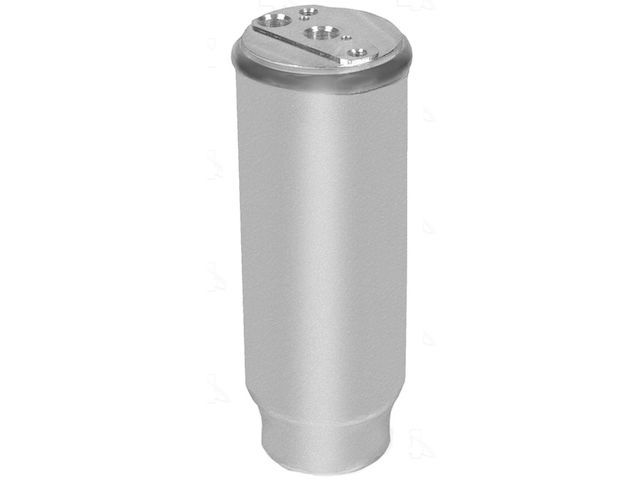
If your Metro's A/C is getting weak, the receiver drier is a critical part you need to know about.
- The receiver drier MUST be replaced any time the A/C system is opened for repair.
- The most common A/C problems on a Metro are age-related leaks from seals.
- Verify if your system uses R12 or R134a refrigerant before buying parts.
- Any new aftermarket drier from a known brand is a good choice for this vehicle.
Symptoms of a Failing A/C Receiver Drier
A bad receiver drier can cause several problems with your Metro's A/C. Because its job is to trap moisture and debris, it can become clogged over time. A failure can also result from physical damage causing a leak.
- Poor Cooling Performance: This is the most common symptom. A clogged drier restricts the flow of refrigerant, so your vents will blow air that isn't as cold as it should be.
- Visible Refrigerant Leaks: You might see an oily residue on the drier canister itself or on the fittings where the lines connect. Since the drier holds refrigerant under pressure, a crack or bad seal can cause a leak, disabling your A/C system entirely.
- Rattling Noises: If you hear a rattling sound from the engine bay when the A/C is on, it could mean the internal parts of the drier have broken apart.
Moisture is the Enemy
The desiccant inside the drier can only absorb so much moisture. Once it's saturated, it can't protect your system anymore. This can lead to corrosion and the formation of acids inside the A/C lines, which can destroy the entire system from the inside out. This is why you must install a new drier whenever the system is opened to the air.
Choosing the Right Aftermarket Drier
For a 1989-1997 Geo Metro, original equipment (OEM) parts are generally unavailable. The good news is that aftermarket brands offer quality replacements that meet or exceed the original specifications.
Your choice will come down to a few well-known brands. For a simple part like a drier, the differences are small, but here is a general breakdown:
- Premium Aftermarket (OEM-Equivalent): Brands like Denso and ACDelco are often original equipment suppliers to many car manufacturers. Since Geo was a GM brand, ACDelco is a strong choice. Denso is known for high-quality A/C components that last. For the small price difference, choosing one of these brands provides extra peace of mind.
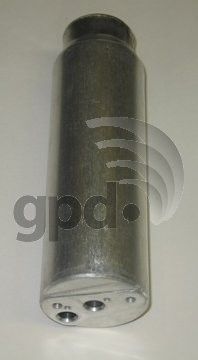
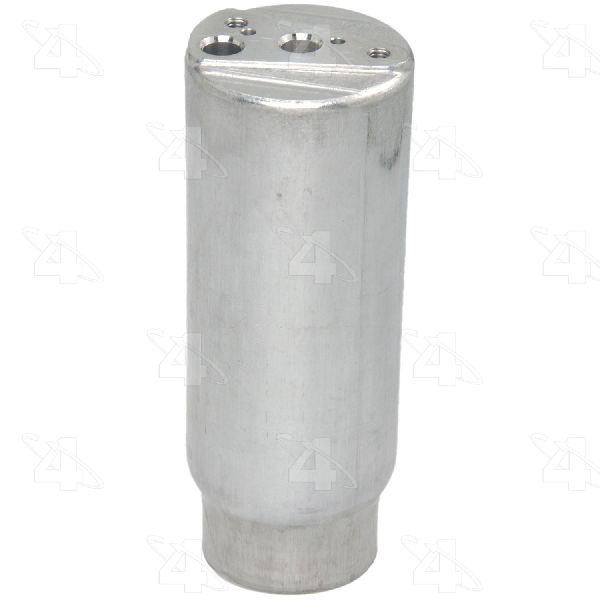
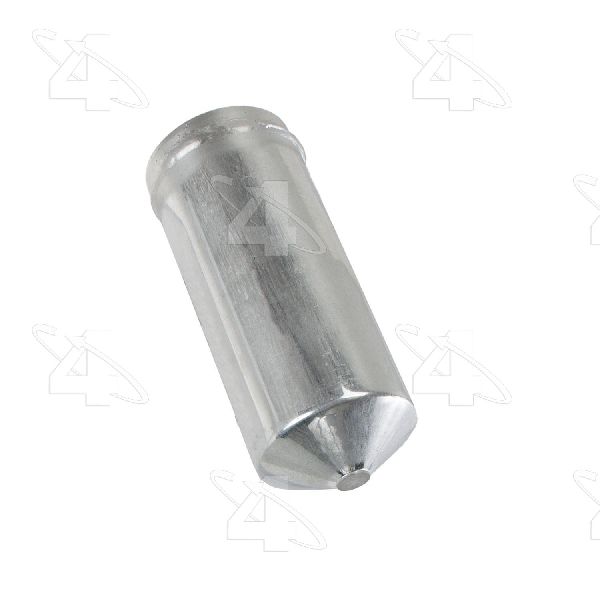
- Standard Aftermarket: Brands like Four Seasons and Global Parts (GPD) are reputable, high-volume manufacturers that produce reliable A/C parts. They are a perfectly good choice for a Geo Metro and will function correctly. For this vehicle, a new drier from any of these brands is a solid repair choice.
R12 vs. R134a Refrigerant
Early Geo Metros (typically pre-1995) used R12 refrigerant, while later models used R134a. Many older cars have been converted from R12 to R134a. The receiver drier must be compatible with the type of refrigerant in your system. Always verify which refrigerant your car uses before ordering parts.
Estimated Costs
| Part/Service | Estimated Cost |
|---|---|
| New Aftermarket A/C Receiver Drier | $20 - $40 |
| Shop Labor (Includes Evacuate & Recharge) | $150 - $250 |
| Total Estimated Cost | $170 - $290 |
Note: Costs are estimates and can vary based on your location and repair shop rates. A/C service requires special equipment, which is reflected in the labor cost.
Frequently Asked Questions
Do I really have to replace the drier if I fix a leak elsewhere?
Yes, absolutely. The moment the A/C system is opened to the atmosphere, the desiccant inside the drier is exposed to humidity and becomes saturated and useless. Failing to replace it will lead to premature failure of your new parts and is the number one reason for a warranty to be voided on a new A/C compressor.
Can I replace the A/C receiver drier myself?
While physically swapping the part is not very difficult, A/C system repair is not a simple DIY job. The system is under high pressure and the refrigerant must be legally and safely recovered with a special machine before opening the system. After the part is replaced, the system must be put into a deep vacuum to boil off any moisture before being recharged with the precise amount of refrigerant and oil. For these reasons, A/C work is best left to a professional shop.
My A/C smells musty. Is that the receiver drier?
A musty or moldy smell from the vents is usually caused by mold growing on the A/C evaporator, which is located inside the dashboard. While a failing drier can contribute to moisture in the system, it is not the direct source of the smell.
Is there a difference between a receiver drier and an accumulator?
Yes, they perform a similar function but are used in different types of A/C systems. Your Geo Metro uses an expansion valve system, which is paired with a receiver drier. Systems that use an orifice tube have an accumulator instead. The parts are not interchangeable.
Technical Specifications
Compatibility with vehicle year (e.g., 1989-1994 vs 1995-1997) and refrigerant type (R12 or R134a).
We Have This Part in Stock

The information in this article is provided for general reference and educational purposes only. Vehicle specifications, procedures, and part compatibility can vary by production date, trim level, and region. Always consult your vehicle's factory service manual and verify part numbers before purchasing or performing repairs. Safety-critical components such as airbags, seat belts, and braking systems should be installed by a qualified professional.
- Geo Metro: