

Geo Metro Engine Coolant Temperature Sensor Guide (1989-1997)
Fix your Metro's rough idle and poor fuel economy by understanding this critical sensor.
- A bad ECT sensor commonly causes poor fuel economy, rough idling, and can trigger the check engine light.
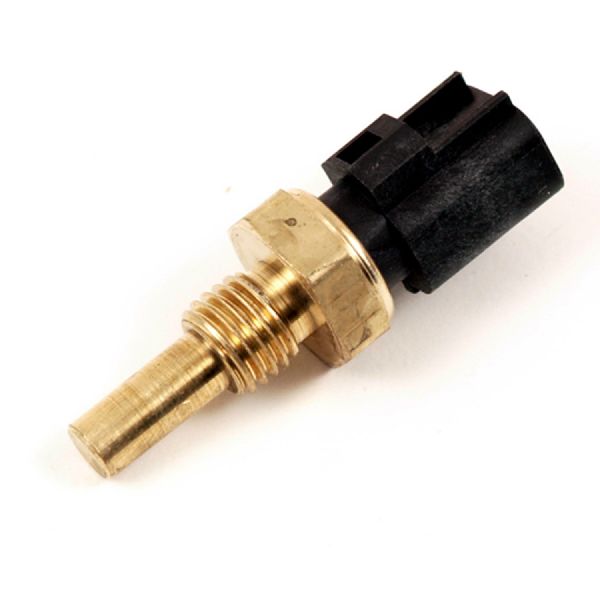
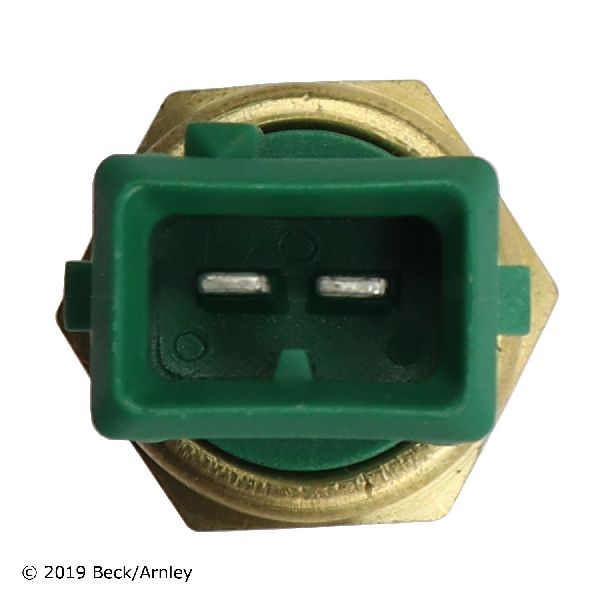
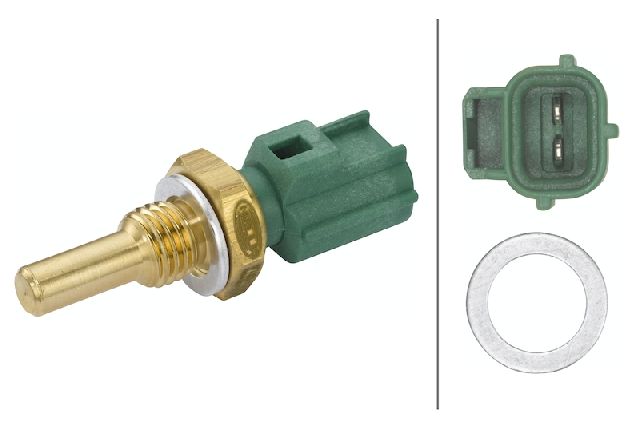
- The Geo Metro has two temp sensors; ensure you are replacing the two-wire sensor for the computer, not the single-wire sender for the gauge.
- Replacement is a simple, DIY-friendly task that can be done in under an hour with basic tools.
- For best results, choose a reputable aftermarket brand like Delphi, NGK, or Hella.
Is Your Geo Metro Running Rough? Check the Coolant Sensor.
If you're dealing with bad gas mileage, a check engine light, or an engine that just won't run right, a faulty Engine Coolant Temperature (ECT) sensor could be the culprit. This sensor tells the engine's computer how hot or cold the engine is, which affects everything from the fuel mixture to the cooling fan. For an older car like the 1989-1997 Geo Metro, this part is a common failure point that can cause a surprising number of problems.
Symptoms of a Bad ECT Sensor in a Geo Metro
A failing ECT sensor can make your car act in strange ways. Because the sensor can fail by sending a permanently cold or hot signal, the symptoms can vary.
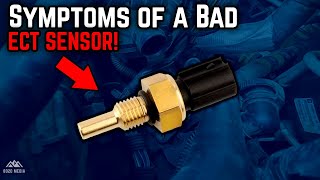
🎬 Watch this video to see common ECT sensor failure signs.- Poor Fuel Economy: If the sensor tells the computer the engine is always cold, the computer will keep the fuel mixture rich, wasting gas.
- Check Engine Light: On 1996 and 1997 models with OBD-II, a bad ECT sensor will likely trigger the check engine light with codes like P0115, P0117, or P0118.
- Rough Idle or Stalling: An incorrect fuel mixture can make your Metro idle poorly, shake, or even stall, especially after it has warmed up.
- Black Smoke from Exhaust: A very rich fuel mixture from a "stuck cold" sensor can result in unburned fuel exiting the exhaust as black smoke.
- Engine Overheating or Fan Problems: The sensor helps control the cooling fan. If it fails, the fan may not turn on when needed, leading to overheating, or it may run constantly.
- Hard Starting: Especially when the engine is warm, a faulty sensor can make starting difficult.
Don't Confuse the Two Sensors!
Most Geo Metros have two separate temperature sensors. One is the ECT sensor for the engine computer (the focus of this article), and the other is the temperature sender for the gauge on your dashboard. Replacing the wrong one will not fix your problem. The ECT sensor for the computer is typically a two-wire sensor.
Choosing the Right Aftermarket ECT Sensor
For a vehicle like the Geo Metro, OEM parts can be hard to find or unnecessarily expensive. The aftermarket offers a wide range of quality replacements. Here’s how to choose.
- Premium Aftermarket (Recommended): Brands like Delphi, NGK/NTK, and Hella have a strong reputation for producing reliable sensors that meet or exceed original specifications. Beck Arnley is also a good choice, as they often source their parts from quality manufacturers. These are your best bet for long-term reliability.
- Standard Aftermarket: Brands like Standard Ignition (SMP), Walker Products, and Four Seasons offer a good balance of quality and price. They are generally reliable and a solid choice for a daily driver.
- Economy Brands: Brands such as URO Parts, Facet, and other lower-priced options can be a fit for a tight budget. However, sensor quality can be inconsistent. While they may work fine, there is a higher risk of premature failure compared to premium brands.
Pro Tip: When replacing the sensor, it's a good idea to also check your thermostat and the condition of your coolant. Since you may lose some coolant during the replacement, have some pre-mixed, compatible coolant ready to top off the system.
Cost of Replacing a Geo Metro ECT Sensor
| Part/Service | Estimated Cost |
|---|---|
| New Aftermarket ECT Sensor | $10 - $60 |
| Shop Labor | $75 - $110 |
| DIY Cost (Part Only) | $10 - $60 |
| Total Shop Cost | $85 - $170 |
Cost estimates are for the part and labor only and do not include taxes, fees, or costs of related repairs.
Frequently Asked Questions (FAQ)
Where is the ECT sensor located on a 1989-1997 Geo Metro?
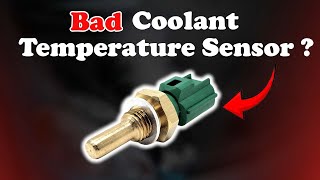
The ECT sensor is typically screwed into the engine's cylinder head or thermostat housing, under the air filter housing. 🎬 See a video guide on locating and replacing the sensor. It will have an electrical connector with two wires. It's important to consult a repair manual for your specific year and engine (1.0L or 1.3L) to confirm the exact location and not confuse it with the single-wire gauge sender.
Can I replace the ECT sensor myself?
Yes, this is a very DIY-friendly job for most home mechanics. The difficulty is low, and it usually takes less than an hour. You will need basic hand tools. The key is to let the engine cool down completely before starting to avoid burns and have a pan to catch any spilled coolant.
What happens if I don't replace a bad ECT sensor?
You can continue driving, but it's not recommended for long. You will suffer from poor fuel economy and performance. In a worst-case scenario, if the sensor fails to detect an overheating condition, it could lead to severe engine damage.
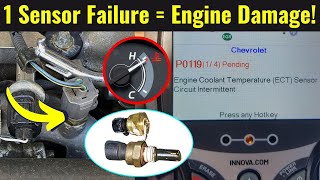
🎬 Learn why you shouldn't ignore these critical temperature sensor symptoms.Are there any recalls for the Geo Metro ECT sensor?
No, searches of the National Highway Traffic Safety Administration (NHTSA) database show no recalls or specific technical service bulletins (TSBs) for the engine coolant temperature sensor on 1989-1997 Geo Metros.
Helpful Videos
Technical Specifications
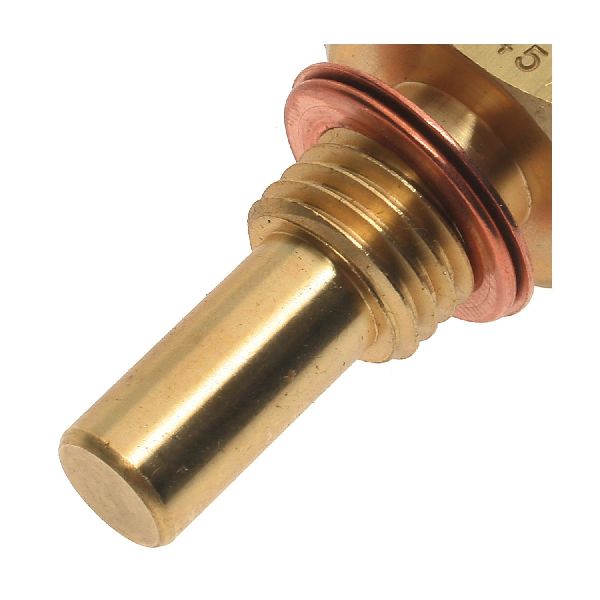
The ECT sensor for the ECU is a two-terminal sensor that functions as a thermistor, meaning its electrical resistance changes with temperature. It is distinct from the single-terminal temperature sender used for the dashboard gauge.
We Have This Part in Stock


The information in this article is provided for general reference and educational purposes only. Vehicle specifications, procedures, and part compatibility can vary by production date, trim level, and region. Always consult your vehicle's factory service manual and verify part numbers before purchasing or performing repairs. Safety-critical components such as airbags, seat belts, and braking systems should be installed by a qualified professional.
- Geo Metro: