

Geo Metro Oxygen Sensor Guide for 1989-1997 Models
Keep your Metro's fuel economy at its peak by understanding its oxygen sensor.
- Confirm if your Metro is a single-sensor (pre-1996) or dual-sensor (1996-97) model before buying.
- Choose a direct-fit sensor from a reputable brand like Bosch, Denso, or NTK for the most reliable repair.
- Old sensors can be seized in the exhaust; use penetrating oil and patience to avoid damaging threads.
- A new oxygen sensor is a cost-effective way to restore fuel economy and smooth engine operation.
Understanding Your Geo Metro's Oxygen Sensor
For a simple, economical car like the Geo Metro, keeping it running efficiently is the top priority. A failing oxygen sensor is a common issue that can ruin your fuel economy and cause other engine problems. 🎬 Watch: Top symptoms of a bad oxygen sensor to ignore. These sensors live in a harsh environment—the exhaust system—and they don't last forever. Contamination from exhaust gases and high heat eventually causes them to wear out.
Generation and Engine Differences
It's important to know what system your Metro uses. Models from 1989 to 1995 are typically OBD-I and have a single oxygen sensor located before the catalytic converter, often in the exhaust manifold. 🎬 See this walkthrough for replacing a 1994 Metro sensor. Starting in 1996, Metros became OBD-II compliant. These later models have two sensors: one upstream (before the catalytic converter) and one downstream (after the catalytic converter). The upstream sensor controls the air-fuel mixture, while the downstream sensor checks if the catalytic converter is working correctly. Always verify if you need a sensor for the 1.0L 3-cylinder or the 1.3L 4-cylinder engine, as parts can differ.
OEM vs. Aftermarket Quality
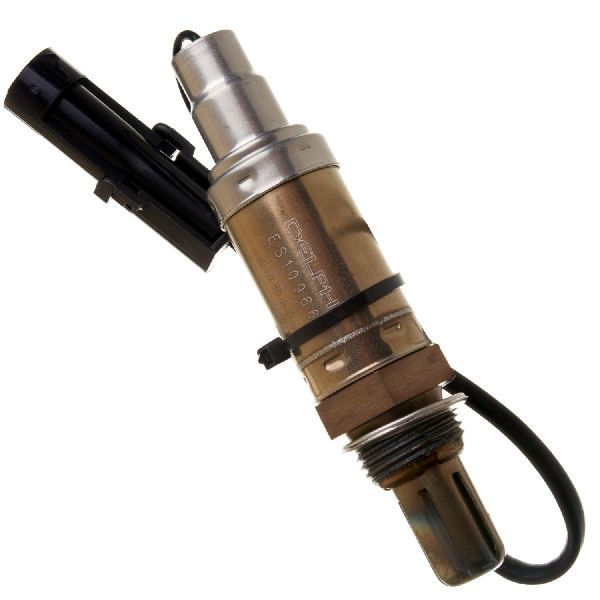
For a vehicle like the Geo Metro, high-quality aftermarket oxygen sensors from reputable brands offer performance that is as good as the original equipment (OEM) part, often at a much lower cost. Brands like Bosch, Denso, and NGK (NTK) are well-regarded and sometimes were the original manufacturers for many cars of this era. Budget-friendly brands can also be a good option for this vehicle, but sticking with a direct-fit sensor is highly recommended over a universal one. Universal sensors require you to splice wires, which can lead to connection problems if not done perfectly. Direct-fit sensors come with the correct plug for an easy installation.
Choosing the Right Aftermarket Oxygen Sensor
When shopping for a replacement, you'll see several brands. Here’s a simple breakdown:
- Top Tier (Recommended): Brands like Bosch, Denso, and NGK/NTK are trusted names that provide reliable, long-lasting performance. They are known for quality and often provide direct-fit options that meet or exceed original specifications.
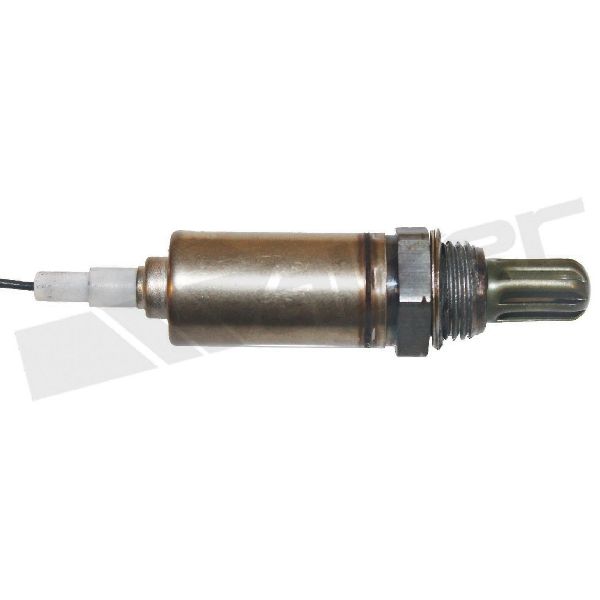
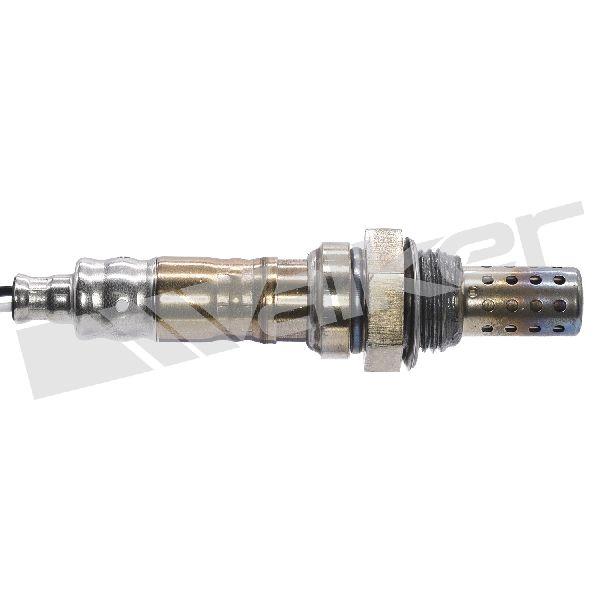
- Mid-Grade / Value: Brands like Delphi, Spectra, and Walker Products offer a good balance of quality and price. They are a solid choice for a dependable repair without the premium price tag.
- Budget-Friendly: Brands like DriveWire can be very affordable. While they may not have the long-standing reputation of the top-tier brands, they can be a practical solution for an older vehicle, especially if you choose a direct-fit model.
Installation Tips
Replacing the oxygen sensor on a Geo Metro is a manageable DIY job. The sensor is screwed into the exhaust pipe or manifold. Old sensors can be very difficult to remove due to rust. Always spray the threads with a good penetrating oil (like WD-40) and let it soak before trying to loosen it. It's best to work the sensor back and forth gently to avoid damaging the threads in the exhaust manifold. Most new sensors come with anti-seize compound on the threads, which is crucial to prevent it from getting stuck in the future. Be careful not to get any grease or dirt on the tip of the new sensor during installation.
🎬 Watch a mechanic replace the sensor on a later model.Frequently Asked Questions
How many oxygen sensors does my 1989-1997 Geo Metro have?
Models from 1989-1995 usually have one oxygen sensor located before the catalytic converter. Models from 1996-1997 are OBD-II and have two sensors: one upstream (before the cat) and one downstream (after the cat).
Should I buy a universal sensor or a direct-fit sensor?
A direct-fit sensor is highly recommended. It comes with the correct electrical connector for your Metro, making installation much easier and more reliable. Universal sensors require cutting and splicing wires, which can cause problems if not done perfectly.
Where is the oxygen sensor located on my Geo Metro?
The upstream sensor is usually found in the exhaust manifold, easily accessible from the engine bay. On 1996-1997 models, the downstream sensor is located in the exhaust pipe after the catalytic converter, and you will need to get under the car to access it.
Are there any recalls for the Geo Metro oxygen sensor?
No specific recalls for the oxygen sensor were found in NHTSA records for the 1989-1997 Geo Metro.
Helpful Videos


![Bad O2 Sensor Symptoms Downstream & Upstream [Oxygen Sensor Failure and Causes] How to fix & Replace](https://img.youtube.com/vi/b-xxdBlikSA/mqdefault.jpg)
Technical Specifications
OEM Part Numbers: 1821350G00 1821365D01
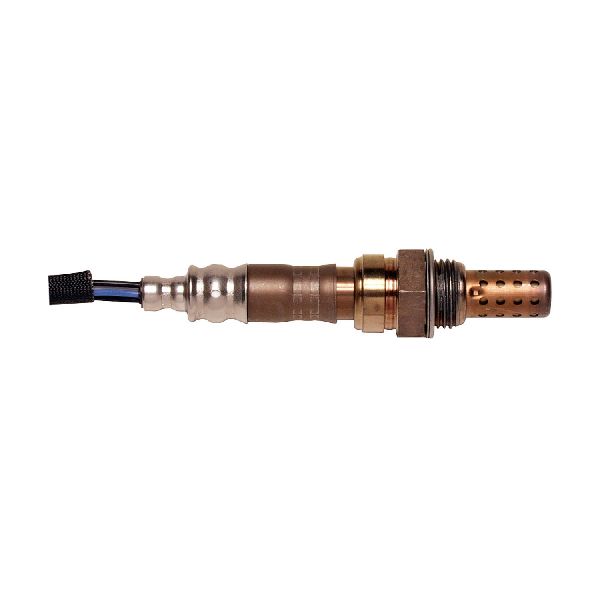
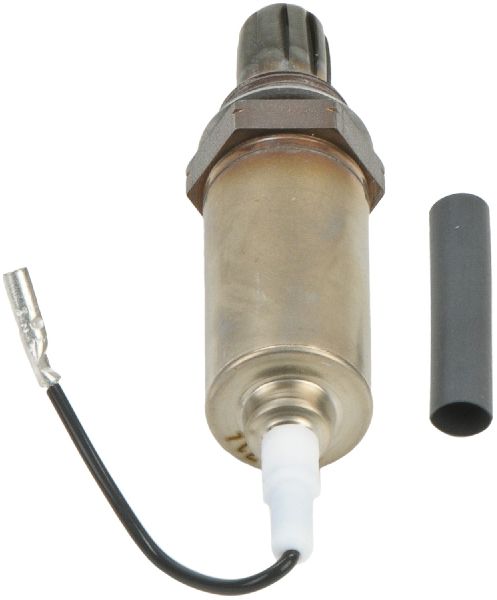
Varies by year and engine. Pre-1996 models are typically single-wire or three-wire non-heated or heated sensors. 1996 and later models use four-wire heated sensors. Connectors and wire lengths are specific to the application (upstream/downstream, engine size).
We Have This Part in Stock


The information in this article is provided for general reference and educational purposes only. Vehicle specifications, procedures, and part compatibility can vary by production date, trim level, and region. Always consult your vehicle's factory service manual and verify part numbers before purchasing or performing repairs. Safety-critical components such as airbags, seat belts, and braking systems should be installed by a qualified professional.
- Geo Metro: