

A Comprehensive Guide to the 1989-1997 Geo Prizm Oxygen Sensor
Keep your Prizm running efficiently by understanding how to choose and replace your oxygen sensor.
- Your 1989-1997 Geo Prizm is a Toyota Corolla, so choosing Denso or NGK/NTK branded sensors is best for compatibility and performance.
- Know your model year: 1996-1997 models are OBD-II and have at least two sensors, while earlier models usually have one.
- Always buy a 'direct-fit' sensor with the correct plug to avoid wiring problems.
- A bad oxygen sensor will decrease fuel economy and can cause long-term damage to your catalytic converter if ignored.
Is Your Geo Prizm Oxygen Sensor Failing?
A bad oxygen sensor can cause problems that you might notice while driving. Because this part is so important for fuel control, a failure can affect your Prizm's performance and fuel mileage. Watch for these common signs.
- Check Engine Light: This is the most common sign. For 1996-1997 models, a code like P0135 may be stored, pointing to a failure in the sensor's heater circuit.
- Worse Gas Mileage: If you're filling up your tank more often, a faulty O2 sensor could be forcing the engine to use more fuel than needed.
- Rough Idle and Poor Performance: Your engine might run unevenly at a stop, hesitate when you accelerate, or feel sluggish.
- Failed Emissions Test: An O2 sensor is key to controlling emissions. A bad sensor is a common reason for failing a smog check.
- Black Smoke or Rotten Egg Smell: An overly rich fuel mixture can cause black smoke from the tailpipe or a sulfur-like smell.
OBD-I vs. OBD-II: A Key Difference for Prizm Owners
The 1989-1997 year range covers a major change in automotive technology. It is essential to know your year to buy the correct parts.
- 1989-1995 Models (OBD-I): These vehicles typically have one oxygen sensor, located in the exhaust manifold before the catalytic converter (an "upstream" sensor). Some models, particularly those sold in California, may have a second sensor.
- 1996-1997 Models (OBD-II): All vehicles from these years have a standardized system with at least two sensors. One is upstream (Bank 1, Sensor 1) for fuel control, and a second is downstream (Bank 1, Sensor 2) to monitor the catalytic converter.
Choosing the Right Aftermarket Oxygen Sensor
Since the Geo Prizm is mechanically a Toyota Corolla, choosing a brand that is an Original Equipment Manufacturer (OEM) for Toyota is the safest bet. Aftermarket parts offer a great balance of quality and value.
Brand Quality Tiers
Tier 1 - OEM Quality (Recommended): Denso, NGK (NTK)
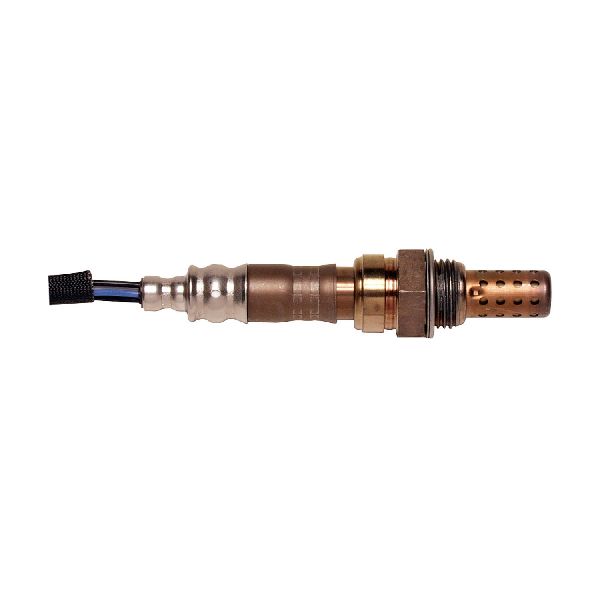
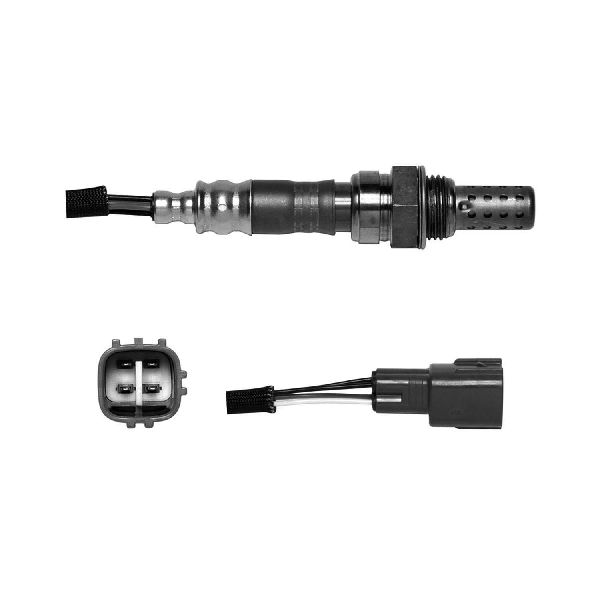
Denso is the original equipment supplier for Toyota, making it the true OEM part for your Prizm. NGK (also sold under the NTK brand) is another top-tier Japanese manufacturer that supplies many automakers. Choosing one of these brands ensures perfect fit, correct electrical connection, and reliable performance. For a critical sensor like this, sticking to the OEM brand is a smart investment.
Tier 2 - Quality Aftermarket: Bosch, Delphi
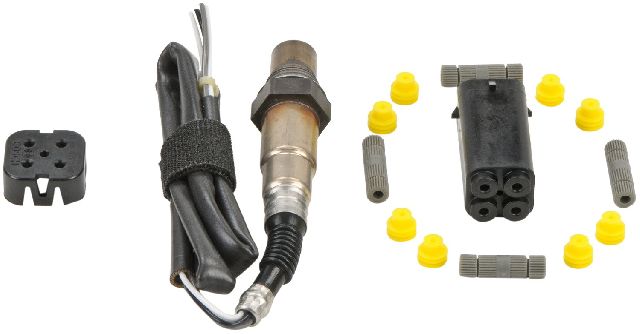
Bosch is a highly respected brand that invented the modern oxygen sensor. While some mechanics prefer to use Japanese parts on Japanese cars, Bosch sensors are a quality alternative that often perform well. Delphi is another large OEM supplier with a strong reputation.
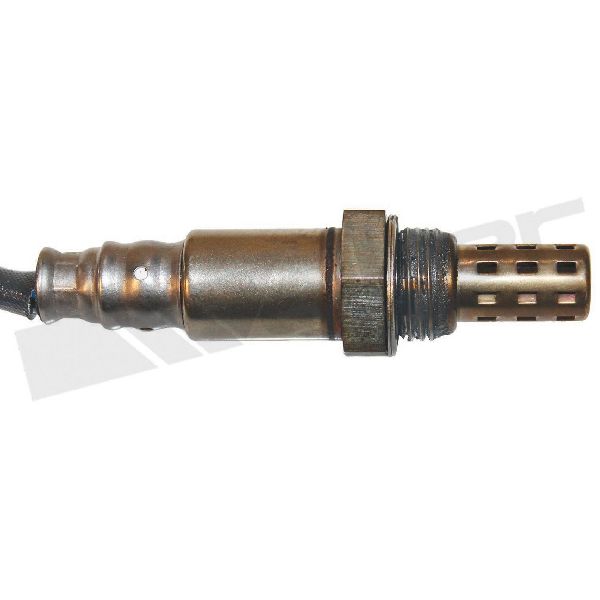
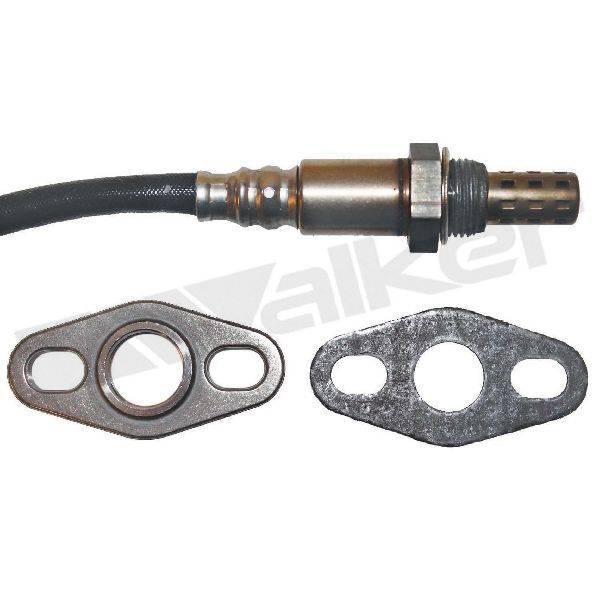
Tier 3 - Economy Options: DriveWire, Spectra, Walker Products
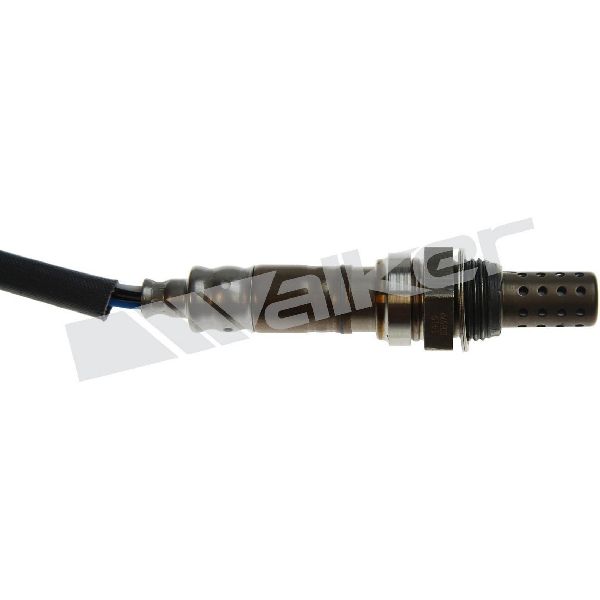
These brands provide a budget-friendly option. They are designed to meet factory specifications and can be a good choice if cost is your primary concern. However, they may not offer the same service life as Tier 1 brands.
Cost at a Glance
| Part Type | Typical Price Range |
|---|---|
| New Aftermarket (Economy) | $21 - $45 |
| New Aftermarket (Quality/OEM-Brand) | $45 - $147 |
| Shop Labor for Installation | $75 - $150 |
Frequently Asked Questions
How many oxygen sensors does my 1989-1997 Prizm have?
It depends on the year. Most 1989-1995 Prizms have only one sensor before the catalytic converter. All 1996-1997 Prizms have at least two sensors, one before and one after the catalytic converter.
What is the difference between an upstream and downstream sensor?
The upstream sensor (Sensor 1) is located before the catalytic converter and is the primary sensor used by the engine computer to adjust the air-fuel mixture. The downstream sensor (Sensor 2) is after the converter and its main job is to check if the converter is working correctly.
Should I buy a "universal" sensor or a "direct-fit" sensor?
Always choose a direct-fit sensor. Universal sensors require you to cut and splice wires from your old sensor's plug to the new sensor. This can lead to a bad connection and cause the new sensor to fail or work incorrectly. A direct-fit sensor comes with the correct plug to connect directly to your car's wiring harness, making installation much easier and more reliable.
Can I clean my old oxygen sensor?
While some people attempt to clean O2 sensors, it is not a reliable or recommended repair. The sensing element can become contaminated internally where cleaning can't reach, or the internal heater can fail. Given the reasonable cost of a new sensor, replacement is the only way to guarantee a proper fix.
Are there any recalls for the Geo Prizm oxygen sensor?
No, searches of the National Highway Traffic Safety Administration (NHTSA) database and other public records did not find any recalls specifically for the oxygen sensor on the 1989-1997 Geo Prizm.
Technical Specifications
Varies by year and engine (1.6L or 1.8L). 1989-1995 models are primarily OBD-I with one upstream sensor. 1996-1997 models are OBD-II with upstream and downstream sensors. Direct-fit connectors are recommended. Sensors can be unheated (1-2 wire) or heated (3-4 wire).
We Have This Part in Stock

The information in this article is provided for general reference and educational purposes only. Vehicle specifications, procedures, and part compatibility can vary by production date, trim level, and region. Always consult your vehicle's factory service manual and verify part numbers before purchasing or performing repairs. Safety-critical components such as airbags, seat belts, and braking systems should be installed by a qualified professional.
- Geo Prizm: