

Geo Tracker A/C Expansion Valve: A Comprehensive Guide (1989-1997)
If your Tracker's A/C is blowing warm, the expansion valve could be the culprit. Here's what you need to know before you buy a new one.
- A bad expansion valve typically causes warm or inconsistent A/C, and can sometimes cause frost to appear on vents.
- Replacement is a labor-intensive job that requires a professional A/C system evacuation and recharge; it is not a simple DIY task.
- Always replace the receiver/drier anytime the A/C system is opened to prevent moisture contamination and future failures.
- Verify your refrigerant type: 1989-1993 models used R12, while 1994-1997 models use R134a.
Is Your Tracker's A/C Blowing Warm Air?
A failing A/C expansion valve is a common issue on older vehicles like the 1989-1997 Geo Tracker. When this part malfunctions, it disrupts the flow of refrigerant, leading to poor cooling. It can get stuck open, which can flood the system, or get stuck closed, which starves it of refrigerant. Symptoms often appear gradually as the valve's internal components wear out.
Symptoms of a Bad A/C Expansion Valve
Diagnosing A/C problems can be tricky, but a bad expansion valve has several tell-tale signs:
- Warm or Inconsistent Air: This is the most common symptom. You'll get warm air from the vents even when the A/C is on its coldest setting. You might also notice the air temperature fluctuating between cool and warm.
- Frost on Vents or A/C Lines: If the valve is stuck open, it can allow too much refrigerant into the evaporator. This can cause it to get too cold and freeze. You might see visible frost on A/C components under the hood or even have frost-like particles blowing from the vents.
- Compressor Runs Constantly: A faulty valve can send incorrect signals to the A/C system's pressure switches, causing the compressor to run continuously instead of cycling on and off. This can cause unnecessary wear and tear on the compressor.
- Weak A/C in Hot Weather: The system might seem to work okay on milder days but can't keep up when it gets very hot outside.
An Important Note on Refrigerant Type
The 1989-1997 model years span a major change in automotive refrigerants. Models from 1989-1993 originally used R12 refrigerant. Models from 1994-1997 use the modern R134a refrigerant. If you have an earlier model, it has likely been converted to R134a, but you must verify this before purchasing parts or servicing the system. The service ports for R12 and R134a are different sizes.
Choosing the Right Aftermarket Expansion Valve
For a vehicle of this age, new OEM parts are generally not available. The aftermarket provides reliable options that meet or exceed original specifications. When the system is opened for a repair this significant, it's wise to invest in a quality part to avoid having to do the labor-intensive job twice.
Available Brands: Four Seasons & Global Parts
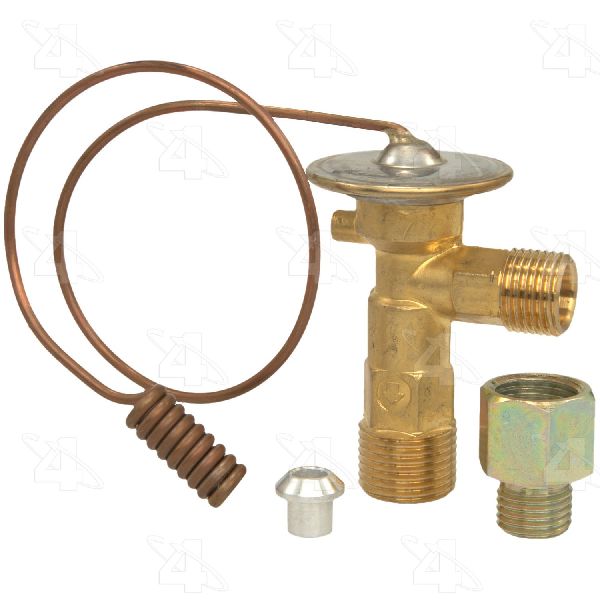
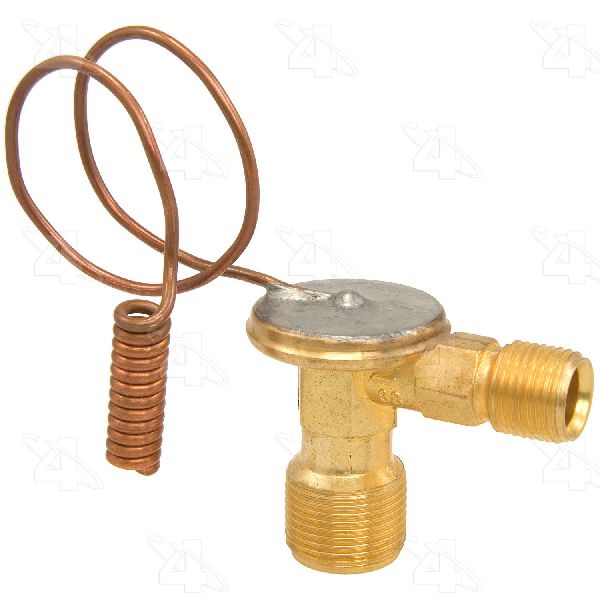
- Four Seasons: A long-standing brand in the A/C parts world, Four Seasons is a common choice. Reviews can be mixed; while many users have no issues, some have reported premature failures on other components like compressors. For a part like an expansion valve, it is generally considered a reliable, standard replacement option.
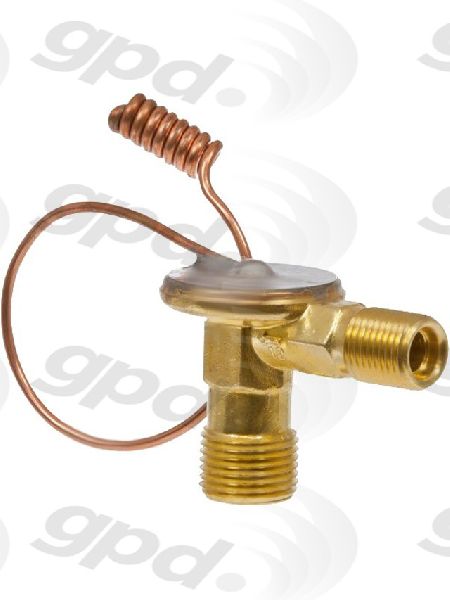
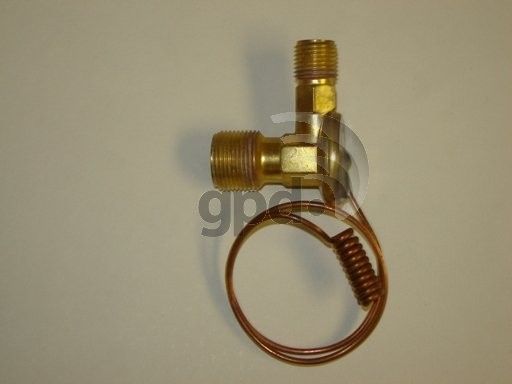
- Global Parts Distributors (GPD): GPD is known for its focus on A/C components and rigorous testing procedures, including 100% leak testing. They have a generally positive reputation for quality and fit, aiming to match OEM specifications.
Given the high labor cost associated with this repair, choosing a part from a brand with a strong reputation for quality control, like Global Parts, may provide extra peace of mind.
Pro Tip: Replace the Receiver/Drier
Anytime the A/C system is opened to the atmosphere, you MUST replace the receiver/drier (also called an accumulator). This component contains a desiccant that absorbs moisture from the refrigerant. Once exposed to air, it becomes saturated and useless. Failure to replace it will lead to poor A/C performance and can cause corrosion and damage to other components, including your new expansion valve.
Cost to Replace a Geo Tracker Expansion Valve
The part itself is inexpensive. However, the labor is what makes this a costly repair. The expansion valve is located deep inside the dashboard, requiring significant disassembly to access. The job also requires specialized equipment to legally and safely recover the old refrigerant and recharge the system.
| Item | Estimated Cost |
|---|---|
| New Aftermarket Expansion Valve | $22 - $37 |
| Shop Labor (including system evacuation & recharge) | $370 - $540 |
| Total Estimated Cost | $392 - $577 |
Note: Costs are estimates. The RepairPal estimate for parts was significantly higher ($420-$437) than market rates for the part alone and may include other associated components like a receiver/drier in their calculation. Your final cost will vary based on local labor rates and the specific parts replaced.
Frequently Asked Questions (FAQ)
Can I replace the expansion valve myself?
This is not recommended for a DIY mechanic unless you are very experienced and have access to A/C recovery and vacuum equipment. The expansion valve is difficult to access, typically located inside the evaporator housing behind the glove box. Federal law also prohibits releasing refrigerant into the atmosphere, so the system must be professionally evacuated before starting work.
Are there any recalls on the Geo Tracker A/C system?
No. As of early 2026, there are no specific recalls or Technical Service Bulletins (TSBs) from the NHTSA for the A/C expansion valve on the 1989-1997 Geo Tracker. Most A/C problems on these vehicles are due to age-related wear and tear.
My A/C is just a little weak. Could it be something simpler?
Yes. The most common cause of A/C issues on older vehicles is a slow leak of refrigerant from aging hoses or seals. A leaking Schrader valve core in the service port is also a very common and inexpensive part to fail. It's wise to have a technician perform a leak test before assuming the expansion valve is the root cause.
What's the difference between an expansion valve and an orifice tube?
They perform the same basic function of metering refrigerant into the evaporator, but are different designs. Your 1989-1997 Geo Tracker uses an expansion valve system. You do not need to worry about orifice tubes for this vehicle.
Technical Specifications
Block-style thermal expansion valve (TEV). Inlet/Outlet sizes and O-ring configuration must match the original. Capillary tube length is approximately 11-5/8 inches (295mm).
We Have This Part in Stock

The information in this article is provided for general reference and educational purposes only. Vehicle specifications, procedures, and part compatibility can vary by production date, trim level, and region. Always consult your vehicle's factory service manual and verify part numbers before purchasing or performing repairs. Safety-critical components such as airbags, seat belts, and braking systems should be installed by a qualified professional.
- Geo Tracker:
- 🛍️ Shop This Part
- Is Your Tracker's A/C Blowing Warm Air?
- Symptoms of a Bad A/C Expansion Valve
- An Important Note on Refrigerant Type
- Choosing the Right Aftermarket Expansion Valve
- Pro Tip: Replace the Receiver/Drier
- Cost to Replace a Geo Tracker Expansion Valve
- Frequently Asked Questions (FAQ)
- 🎟️ Get 5% Off