

Accessory Drive Belt Guide for the 1989-1997 Geo Tracker
Don't get stranded—learn to spot failing belts and choose the right aftermarket replacement for your Tracker.
- Your Tracker has multiple V-belts, not one serpentine belt. Verify your configuration (with/without A/C and Power Steering) before buying.
- Squealing noises, visible cracks, and fraying are clear signs that your belts need to be replaced immediately.
- High-quality aftermarket brands like Bando and Mitsuboshi are reliable and cost-effective choices for this vehicle.
- Replacement is a straightforward DIY job for most owners, but ensuring correct belt tension is crucial to avoid noise and component damage.
Understanding Your Tracker's Multi-Belt System
A common mistake when ordering parts for a 1989-1997 Geo Tracker is assuming it has one single serpentine belt. This vehicle uses a multi-belt system. Typically, one belt runs the alternator and water pump. A second belt runs the power steering pump and A/C compressor if your vehicle has those options. It is critical to check which belts your specific Tracker needs before ordering. Look in your engine bay to see how many belts you have and what parts they connect to.
Signs of a Failing Accessory Drive Belt
A failing drive belt gives clear warning signs. Ignoring them can leave you stranded. Look and listen for these common symptoms:
- Squealing Noises: A high-pitched squeal, especially when you start the engine, accelerate, or turn the steering wheel, is the most common sign of a worn or loose belt. This noise may be worse in cold or wet weather.
- Visible Wear and Tear: Inspect the belts regularly. If you see cracks, fraying, missing pieces, or ribs that look separated, the belt needs immediate replacement.
- Glazed or Shiny Appearance: A belt that looks glossy on its ribbed side is 'glazed'. This means the rubber has hardened and can no longer grip the pulleys effectively, leading to slippage.
- Accessory Problems: Flickering lights could indicate the alternator isn't spinning properly. A stiff steering wheel could mean the power steering pump isn't getting enough power. Overheating can be caused by a slipping water pump belt.
Known Issues
While there are no official recalls or TSBs for the drive belts, a persistent squeal after replacing a belt can be caused by incorrect tension, fluid contamination, or misaligned pulleys. Always clean the pulleys before installing a new belt. Some owners report that getting the belt tension just right can be tricky, and a new belt may stretch slightly after a few days and require re-tensioning.
Choosing the Right Aftermarket Belt: Bando vs. Mitsuboshi
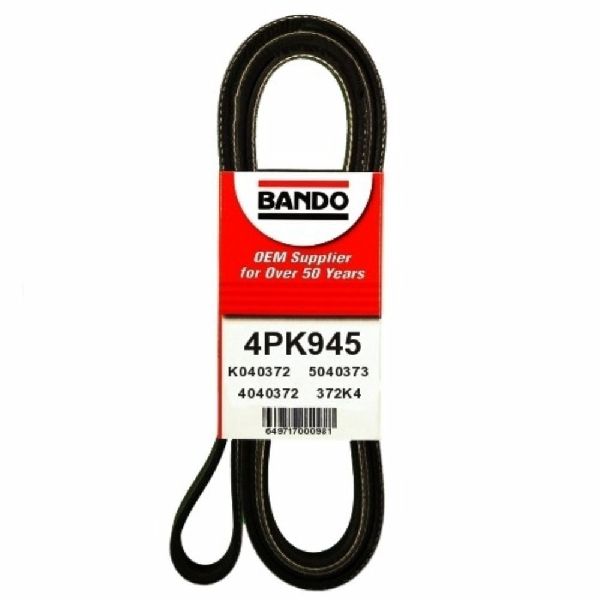
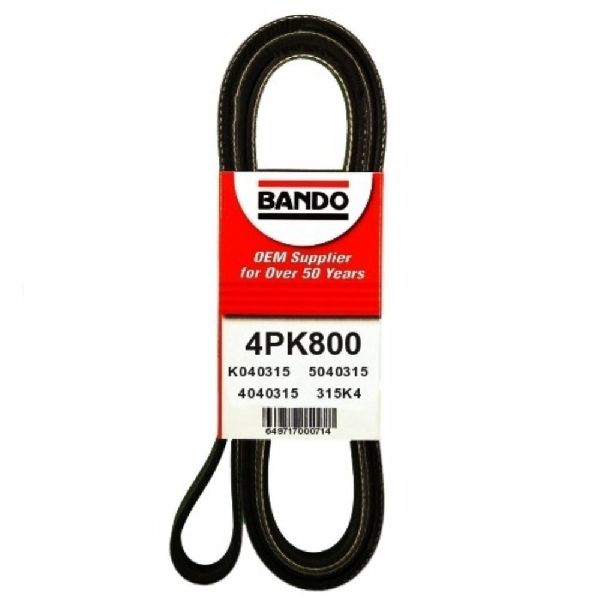
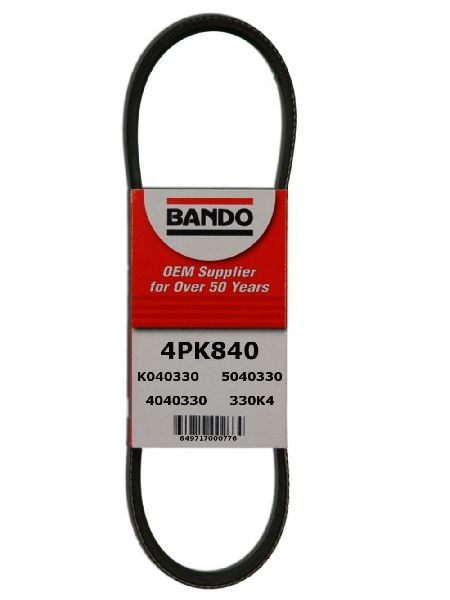
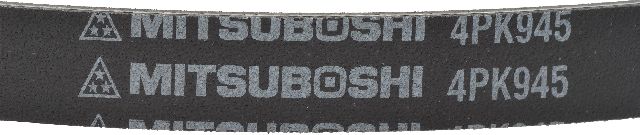
For a vehicle like the Geo Tracker, high-quality aftermarket belts are a reliable and cost-effective choice. Both Bando and Mitsuboshi are respected Japanese manufacturers, often supplying original parts to automakers like Toyota. You can use either brand with confidence.
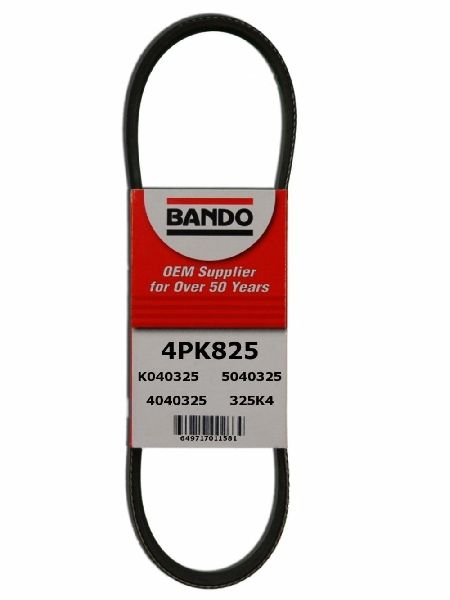
- Bando: A well-known OEM supplier, Bando belts are considered a high-quality replacement part. They are a popular and reliable choice for the Geo Tracker, with many owners reporting positive experiences.
- Mitsuboshi: Mitsuboshi was an original equipment manufacturer for Honda and is rated as highly as Bando. While they may be slightly harder to find in local stores, they are an excellent choice if available.
Pro Tip: The most important factor is getting the correct size and number of belts for your Tracker's specific options (with or without A/C, with or without power steering). Always verify your vehicle's setup before ordering.
Accessory Drive Belt Replacement Cost
| Part Category | Estimated Cost |
|---|---|
| New Aftermarket Belts (Per Belt) | $13.67 - $18.21 |
| Shop Labor for Replacement (All Belts) | $95 - $150 |
Frequently Asked Questions
Is replacing the drive belts a DIY job?
Yes, for most home mechanics with basic hand tools, this is a very manageable job. Access is generally good on the Tracker's 1.6L engine. The process involves loosening the bolts on an accessory (like the alternator or A/C compressor) to pivot it and release tension on the belt. The most difficult part can be routing the new belt around the fan. The entire job usually takes less than an hour.
How often should I replace the belts on my Geo Tracker?
For a vehicle of this age, a good rule is to inspect the belts at every oil change. Plan to replace them every 4 to 5 years or around 40,000 miles as preventative maintenance, even if they look okay.
Will a new belt fix a squealing noise?
Often, yes. If the old belt is worn, cracked, or glazed, a new belt will likely solve the squeal. However, squealing can also be caused by improper tension (too loose or too tight), a misaligned pulley, or contamination from fluids like oil or coolant. If a new belt still squeals, check the tension first.
Do I need special tools to change the belts?
No special tools are required. A basic metric socket set (specifically 12mm) and a pry bar to help apply tension are usually all that's needed. Taking a picture of the belt routing before you start is also a good idea.
Technical Specifications
OEM Part Numbers: 96058052 30019502
The 1989-1997 Geo Tracker uses a multiple V-belt (or accessory drive belt) system. The number and length of the belts depend on the specific accessories installed (Air Conditioning, Power Steering). Belts are typically 4-ribbed (4PK) and made of EPDM rubber. Common lengths vary, so it is essential to match the part to the vehicle's specific configuration.
We Have This Part in Stock


The information in this article is provided for general reference and educational purposes only. Vehicle specifications, procedures, and part compatibility can vary by production date, trim level, and region. Always consult your vehicle's factory service manual and verify part numbers before purchasing or performing repairs. Safety-critical components such as airbags, seat belts, and braking systems should be installed by a qualified professional.
- Geo Tracker: