

A Deep Dive into the 1989-1997 Geo Tracker Electric Fuel Pump
Everything a Geo Tracker owner needs to know before replacing their electric fuel pump.
- Before replacing the pump, always check the wiring connector behind the driver's taillight for corrosion, as this is a very common point of failure.
- Replacement requires dropping the fuel tank; there is no easier access panel.
- For reliability, choose a premium aftermarket brand like Denso or Bosch.
- Always replace the pump's strainer (sock) and the separate in-line fuel filter at the same time as the pump.
Is Your Geo Tracker Fuel Pump Failing?
A bad fuel pump in a Geo Tracker can cause issues that seem random at first but usually get worse. The most common complaint is the engine stalling after it's fully warmed up, then refusing to start again until it cools down. However, before you decide to replace the pump, it's critical to check other, less expensive parts first. Due to the age of these vehicles, wiring problems are extremely common and can mimic the symptoms of a bad pump.
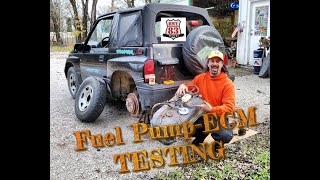
🎬 Watch: Step-by-step diagnosis for a Geo Tracker no-start condition.Check These First!
- Wiring Connector: The most common failure point is the wiring harness connector located behind the driver's-side taillight. This connector is exposed to the elements and often corrodes, causing intermittent power loss to the pump. Clean the contacts and apply dielectric grease.
- Fuel Pump Relay & Fuse: A faulty relay or blown fuse will prevent the pump from getting power. These are simple and inexpensive to check and replace.
- ECU/PCM (1989-1995 models): On earlier models, it's a known issue for the capacitors inside the Engine Control Unit (ECU) to leak, which can stop the computer from sending the signal to activate the fuel pump.
Choosing the Right Aftermarket Fuel Pump
Since new Original Equipment (OEM) pumps for a vehicle this age are rare and expensive, a new aftermarket pump is the most practical choice. Quality can vary, so it's helpful to think of brands in tiers.
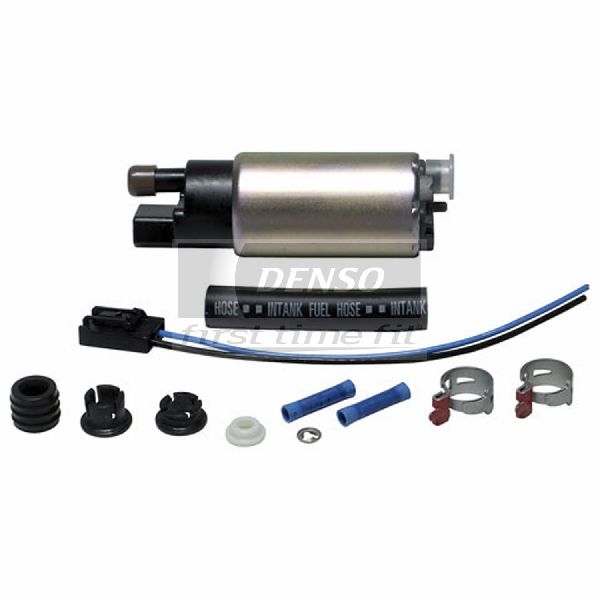
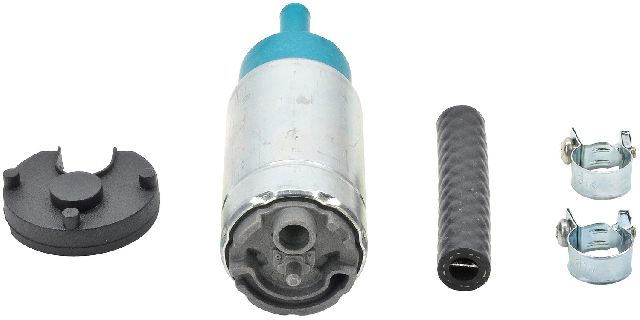
- Premium Brands (Bosch, Denso): These companies are often original equipment suppliers for many car manufacturers and are known for high-quality standards. Denso is a well-regarded OEM for Japanese vehicles like the Suzuki Sidekick (the Tracker's sibling). Bosch pumps often feature modern turbine designs that are quieter and more efficient. Choosing one of these brands is the best bet for long-term reliability.
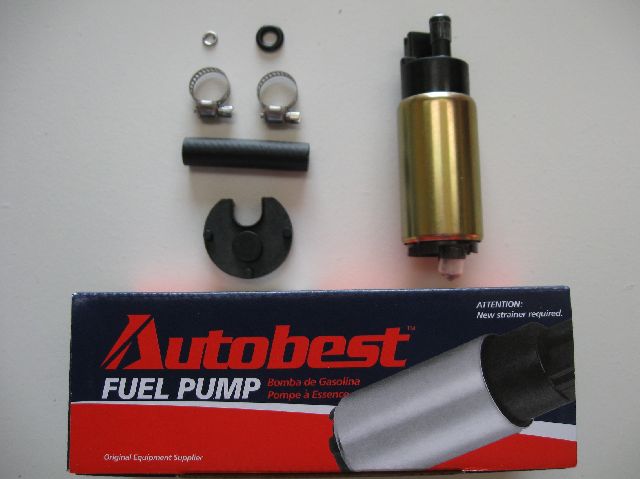
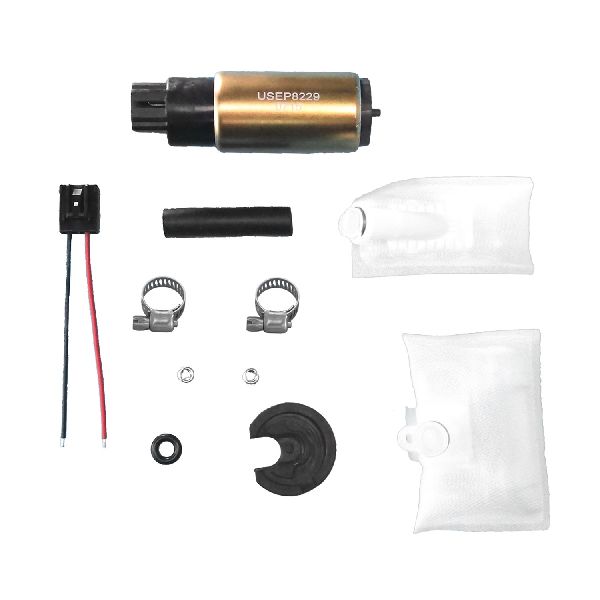
- Quality Aftermarket (GMB, AutoBest, US Motor Works): These brands aim to meet or exceed original specifications and offer a good balance of price and quality. They are a solid choice for a daily driver or a budget-conscious repair. While most users have good experiences, quality can sometimes be inconsistent compared to premium brands.
- Economy Brands: The lowest-priced options are typically generic or private-label brands. While the low cost is appealing, their long-term durability can be a gamble. For a critical part that requires dropping the fuel tank to access, spending a little more for a recognized brand is often worth the peace of mind.
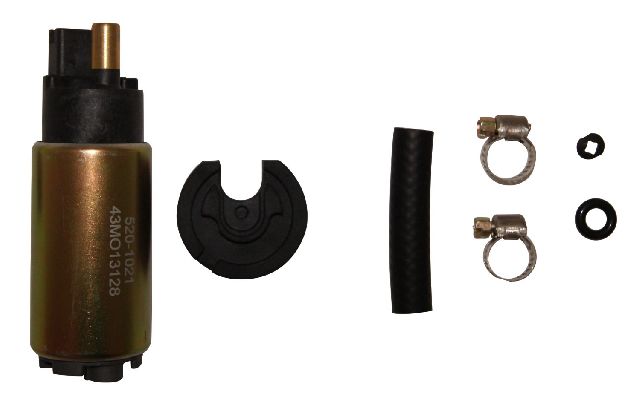
Pro Tip: You are replacing the pump motor, not the entire assembly. The new pump kit should include a new fuel strainer (sock). It is critical to replace this with the pump. It is also highly recommended to replace the separate, in-line fuel filter at the same time to protect your new pump from any debris in the fuel system.
Geo Tracker Fuel Pump Cost
The cost to replace the fuel pump depends on the parts you choose and who does the work.
| Item | Estimated Cost |
|---|---|
| New Aftermarket Pump Kit | $38 - $140 |
| Shop Labor | $250 - $450 |
| Total Professional Replacement | $288 - $590 |
Frequently Asked Questions (FAQ)
Can I replace the fuel pump myself?
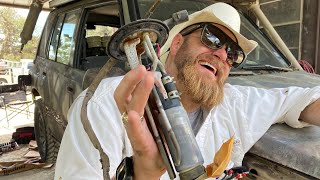
Yes, this is a DIY-feasible job for someone with mechanical experience. However, it requires safely lifting the vehicle and dropping the entire fuel tank, as there is no access panel inside the vehicle. 🎬 Watch this walkthrough on dropping the tank and replacing the pump. The job can be made difficult by rusty bolts and fuel line connections. 🎬 See how to handle rusted gas lines during pump replacement. It is much easier and safer if the fuel tank is nearly empty.
How long does it take to replace the fuel pump?
For a professional mechanic, it takes about 2 to 3 hours. For a first-time DIYer, it could take 4 to 6 hours or more, especially if you encounter rusted fasteners.
Are there any recalls for the Geo Tracker fuel pump?
There are no recalls specifically for the fuel pump failing. However, there is a safety recall for the 1996 Geo Tracker (NHTSA #96V121001) where a flange could puncture the fuel tank in a rear-end collision, increasing fire risk.
Do I need to replace the whole fuel pump assembly?
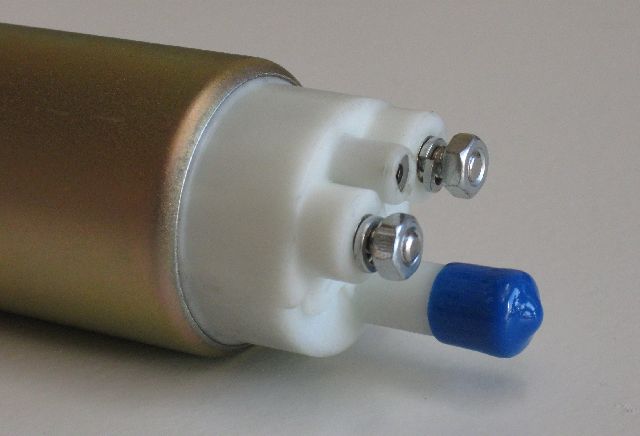
No, for the 1989-1997 Tracker, you typically just replace the electric pump motor itself, which sits inside the larger fuel pump hanger assembly. The aftermarket kits in the specified price range are for the pump motor and strainer, not the complete hanger assembly.
Helpful Videos




Technical Specifications
Operating Pressure: 34-43 psi (240-300 kPa). Location: In-tank. Type: Electric motor pump (not full assembly).
We Have This Part in Stock

The information in this article is provided for general reference and educational purposes only. Vehicle specifications, procedures, and part compatibility can vary by production date, trim level, and region. Always consult your vehicle's factory service manual and verify part numbers before purchasing or performing repairs. Safety-critical components such as airbags, seat belts, and braking systems should be installed by a qualified professional.
- Geo Tracker: