

Geo Tracker Engine Coolant Bypass Hose Explained (1989-1997)
Understanding the small but critical coolant bypass hose on your Geo Tracker's 1.6L engine.
- The bypass hose on a Geo Tracker is a common source of coolant leaks due to age and heat exposure.
- Symptoms include visible leaks near the throttle body, a sweet antifreeze smell, and potential engine overheating.
- Both Gates and Dayco are reputable aftermarket brands for this part; choosing either is a reliable option.
- Replacing the hose clamps at the same time as the hose is critical for ensuring a long-lasting, leak-free repair.
Why This Hose Fails on a Geo Tracker
The engine coolant bypass hose on your 1989-1997 Geo Tracker lives in a harsh environment. Constant exposure to high heat, pressure, and engine vibration causes the rubber to degrade over time. The material becomes hard, brittle, and prone to cracking, especially at the connection points. Given the age of these vehicles, it's very likely the original hose is well past its service life and is a common source of coolant leaks. A small leak here can be hard to spot, often starting as a slow drip or a crusty green or white residue near the throttle body or thermostat housing.
Symptoms of a Failing Bypass Hose
A failing bypass hose can quickly escalate from a minor annoyance to a major problem. Ignoring the signs can lead to engine overheating and severe damage. Be aware of these common symptoms:
- Visible Coolant Leaks: You may see small puddles of green or orange coolant on the ground. On the Tracker, leaks from this hose often appear near the top of the engine, around the throttle body or thermostat area.
- Sweet Smell: The distinct, sweet smell of antifreeze is a clear sign of a leak, even if you can't see it. You might notice it in the engine bay after a drive.
- Engine Overheating: A significant leak will lower the coolant level, causing your engine's temperature gauge to climb. This is a critical warning that requires immediate attention.
- Low Coolant Level: If you frequently need to top off your coolant reservoir, you have a leak somewhere in the system, and this small hose is a likely suspect.
Don't Ignore a Coolant Leak
Even a small coolant leak should be addressed immediately. Driving with low coolant can quickly lead to engine overheating, which can cause catastrophic damage like a blown head gasket or a warped cylinder head.
Choosing the Right Aftermarket Hose: Dayco vs. Gates
For a vehicle like the 1989-1997 Geo Tracker, OEM (Original Equipment Manufacturer) hoses are likely discontinued or very difficult to find. Fortunately, reputable aftermarket brands like Dayco and Gates offer quality replacements that meet or exceed original specifications. Both are solid choices, but there are some general opinions among mechanics and DIYers:
- Gates: Often considered a top-tier aftermarket brand. Some users report that Gates hoses have a superior fit and feel more substantial than other brands. They are also noted for having accurate product catalogs, which reduces the chance of getting the wrong part.
- Dayco: A well-respected brand that also produces reliable hoses. Some users feel Dayco hoses are slightly thicker than Gates, while others have noted occasional fitment issues. However, many have used them without any problems.
Pro Tip: When choosing between Dayco and Gates, both are reliable options for your Tracker. The best choice often comes down to availability and price. Since this is a simple, pre-molded hose, fitment issues are less common than with complex radiator hoses. Focus on replacing the hose clamps at the same time to ensure a secure, leak-free seal.
Cost of Replacing the Engine Coolant Bypass Hose
| Part Type | Estimated Cost |
|---|---|
| New Aftermarket (Dayco, Gates) | $18 - $56 |
| Shop Labor | $75 - $150 |
| Total Estimated Cost | $93 - $206 |
Cost estimates are for the part and labor and can vary based on your location and the specific repair shop. The part itself is inexpensive, with the majority of the cost being labor if you have a shop perform the work.
Frequently Asked Questions
Can I replace the bypass hose myself?
Yes, this is a very DIY-friendly job for most home mechanics. It typically requires basic hand tools like pliers for the hose clamps and a screwdriver. The key is to allow the engine to cool completely before starting and to have a pan ready to catch any spilled coolant. The most difficult part is often accessing the clamps in a tight space.
Should I replace the hose clamps too?
Absolutely. It is highly recommended to replace the old hose clamps. The original spring-style clamps can lose tension over time, and worm-drive clamps can damage the new hose if over-tightened. New spring clamps are often the best choice as they provide even pressure as the hose expands and contracts with heat.
Do I need to drain all the coolant to replace this hose?
No, you don't need to drain the entire system. Since the bypass hose is usually located high on the engine, you will only lose a small amount of coolant when you disconnect it. Have some extra coolant on hand to top off the system after you are done.
What kind of coolant should I use in my Geo Tracker?
For this model year range, a conventional green or universal gold/yellow ethylene glycol-based coolant is appropriate. Always check your owner's manual for the specific type. After replacing the hose and topping off the system, be sure to bleed any air out of the system to prevent overheating.
Technical Specifications
OEM Part Numbers: 91175113
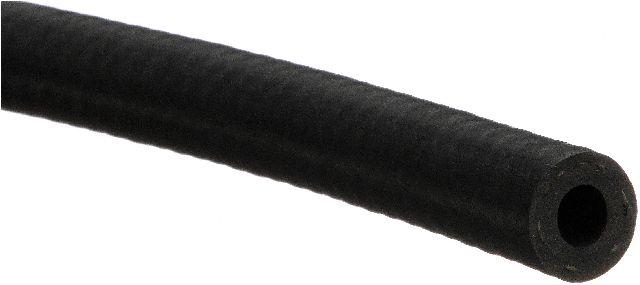
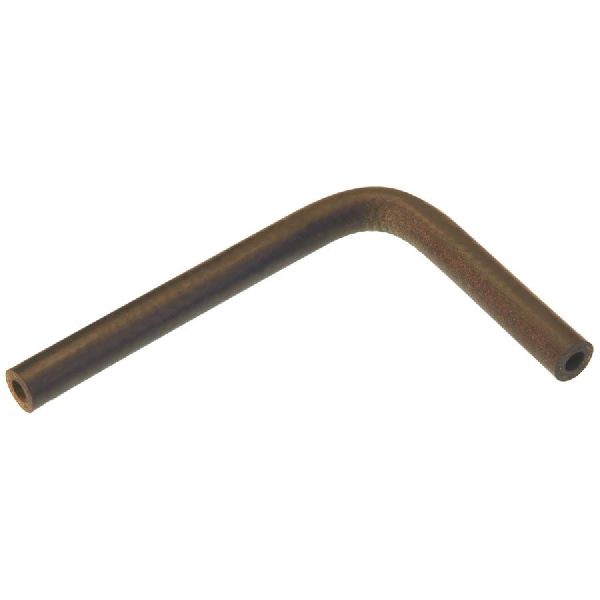
Molded EPDM rubber hose, specific to the 1.6L Geo Tracker engine, connecting to the cooling system near the throttle body or intake manifold.
We Have This Part in Stock

The information in this article is provided for general reference and educational purposes only. Vehicle specifications, procedures, and part compatibility can vary by production date, trim level, and region. Always consult your vehicle's factory service manual and verify part numbers before purchasing or performing repairs. Safety-critical components such as airbags, seat belts, and braking systems should be installed by a qualified professional.
- Geo Tracker: