

A Geo Tracker Owner's Guide to HVAC Heater Hose Replacement (1989-1997)
Leaking coolant or no heat? Your old heater hoses are the likely cause—here's what to know.
- Heater hose failure is a common cause of coolant leaks and overheating on the Geo Tracker.
- Always replace heater hoses in pairs; if one has failed due to age, the other will fail soon.
- Reputable aftermarket brands like Gates, Continental, Dayco, and ACDelco are all reliable choices for this part.
- Always replace the hose clamps with the hoses to ensure a leak-free seal.
Signs of a Failing Heater Hose
Heater hoses are constantly exposed to heat, pressure, and vibration. Over time, the rubber becomes hard, brittle, and weak. When a heater hose on your Tracker fails, the symptoms are usually clear and should not be ignored.
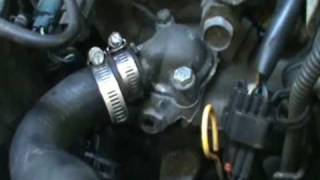
- Coolant Leaks: This is the most common sign. You may find puddles of green or pinkish fluid 🎬 Watch this walkthrough on finding and fixing Tracker coolant leaks. under the passenger side of the vehicle where the hoses connect to the firewall.
- Sweet Smell: You might smell a distinct sweet odor from the engine bay or even through your vents. This is the smell of burning antifreeze.
- Engine Overheating: A leaking hose leads to low coolant levels. Without enough coolant, your engine cannot cool itself, causing the temperature gauge to climb into the red. This is a critical issue that can cause severe engine damage.
- No Cabin Heat: If a hose is clogged or has a major leak, hot coolant can't reach the heater core, leaving you with cold air from the vents.
- Foggy Interior Windshield: A small leak from the heater core connections can spray a fine mist of coolant into the HVAC box, which then coats the inside of your windshield with a greasy film.
Warning: Do Not Ignore Overheating
If your Geo Tracker's temperature gauge is in the red, pull over and shut off the engine as soon as it is safe to do so. Driving with an overheating engine can lead to catastrophic damage, including a warped cylinder head or a cracked engine block.
Choosing the Right Aftermarket Heater Hose
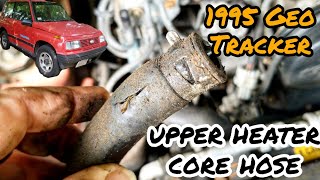
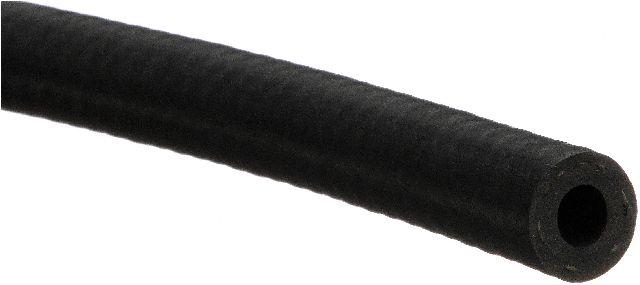
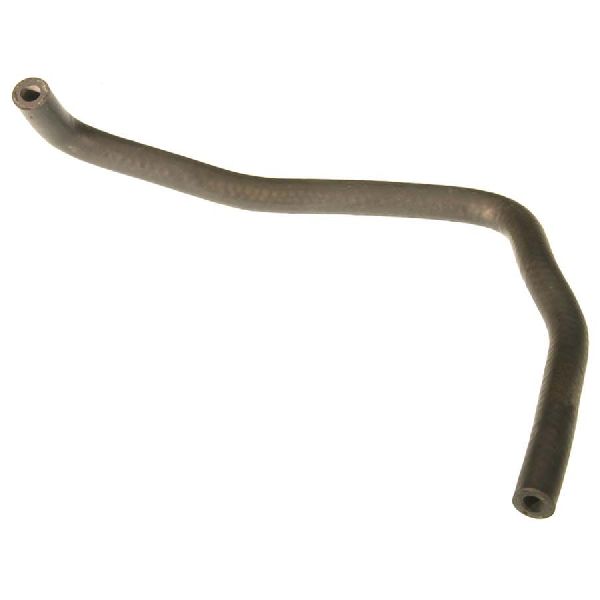
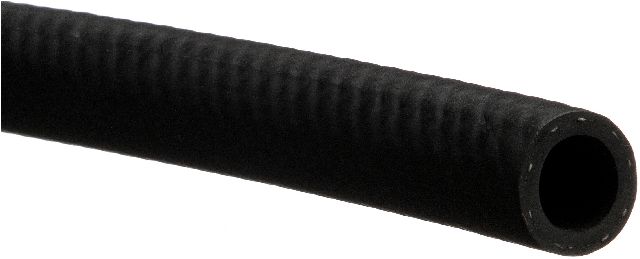
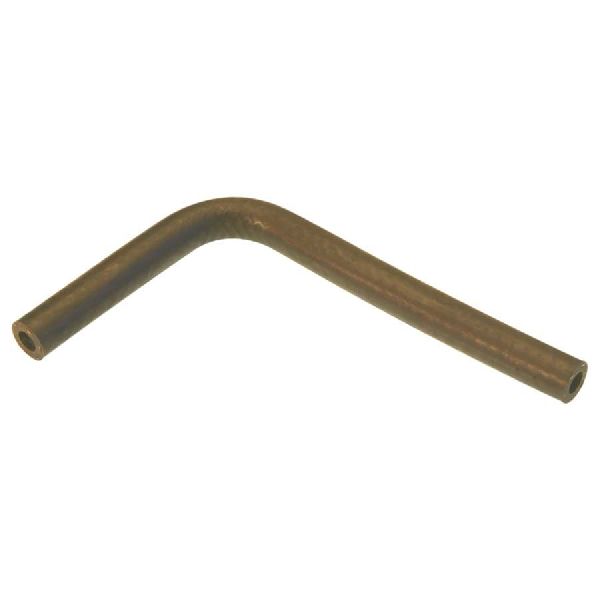
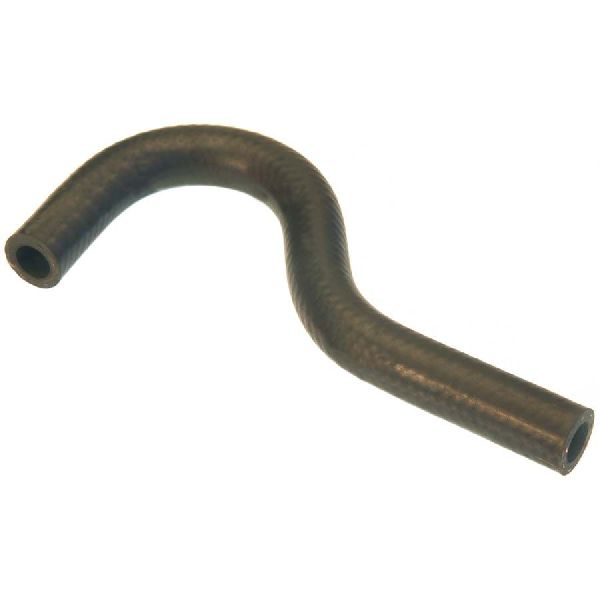
For a vehicle like the 1989-1997 Geo Tracker, original equipment (OEM) hoses are likely discontinued or difficult to find. The aftermarket offers many high-quality options that meet or exceed original specifications. The key is to choose a molded hose from a reputable brand to ensure the bends and length are correct, preventing kinks that can block 🎬 See a DIY repair of a Tracker upper heater hose. coolant flow.
The brands available are all well-regarded in the industry. There is no single "best" brand, as all provide reliable service. Your choice may come down to price and availability.
- Premium Brands (Gates, Continental): Often considered top-tier, these brands have a long reputation for quality rubber compounds and precise fitment. General mechanic consensus often favors Gates for fit and durability.
- Standard Brands (Dayco, ACDelco): These are also excellent, trusted brands that have likely supplied original parts to many manufacturers. Some users prefer Dayco, noting they can feel slightly thicker. You can confidently install hoses from either of these brands.
Pro Tip: Always buy new hose clamps when you replace your heater hoses. Old clamps can lose their tension or have stripped threads, leading to leaks even with a new hose. Spring-style clamps can be difficult to work with in tight spaces, so many owners opt for worm-gear style clamps.
Cost of Replacing Geo Tracker Heater Hoses
The cost to replace heater hoses is low for parts, but labor can add up if you take it to a shop. It is a manageable DIY job for most home mechanics.
| Part/Service | Estimated Cost |
|---|---|
| New Aftermarket Hoses (Set of 2) | $19.93 - $93.11 |
| Shop Labor | $100 - $200 |
| Total Estimated Cost (Shop) | $120 - $295 |
| Total Estimated Cost (DIY) | $20 - $110 (hoses + coolant) |
Frequently Asked Questions
How many heater hoses does my Geo Tracker have?
Your Tracker has two primary heater hoses. One is an inlet hose that carries hot coolant from the engine to the heater core, and the other is an outlet hose that returns it.
Should I replace both hoses at the same time?
Yes. Heater hoses are exposed to the same conditions and age at the same rate. If one has failed, the other is likely not far behind. Replacing them both at the same time is smart preventative maintenance and saves you from doing the job twice.
What tools do I need for the job?
You will need basic hand tools like a socket set and screwdrivers, a drain pan for the coolant, and pliers. A set of hose pliers or long-reach pliers can be extremely helpful for removing stubborn hoses and clamps in the tight space near the firewall.
Is any special procedure needed after replacing the hoses?
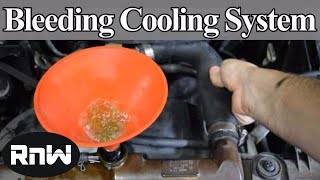
Yes. After replacing the hoses and refilling the coolant, you must "burp" or bleed the cooling system to remove any air pockets. Air trapped in the system can cause overheating or a lack of heat. You can do this by running the engine with the radiator cap off and the heater on high until the thermostat opens and all air bubbles have escaped.
🎬 Watch a quick guide on how to bleed cooling system air.Helpful Videos

Technical Specifications
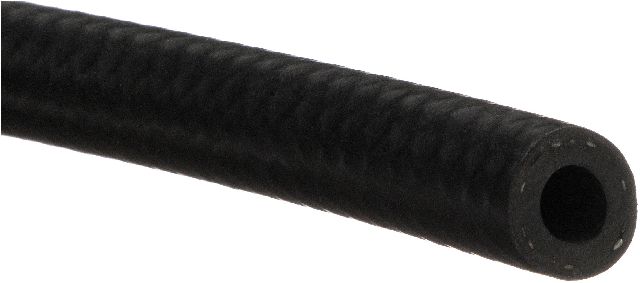
The system uses two molded heater hoses, typically with inner diameters around 13mm or 8mm depending on the specific hose and connection point. Hoses are made from EPDM rubber to resist heat and chemical breakdown.
We Have This Part in Stock

The information in this article is provided for general reference and educational purposes only. Vehicle specifications, procedures, and part compatibility can vary by production date, trim level, and region. Always consult your vehicle's factory service manual and verify part numbers before purchasing or performing repairs. Safety-critical components such as airbags, seat belts, and braking systems should be installed by a qualified professional.
- Geo Tracker: