

Geo Tracker Spark Plug Guide: 1989-1997 Replacement and Brand Comparison
Keep your Geo Tracker's 1.6L engine running smoothly with the right set of new spark plugs.
- For best results, choose spark plugs from NGK or Denso, which were likely the original suppliers for your Geo Tracker.
- Always check and adjust the spark plug gap to your vehicle's specification (usually 0.028") before installation.
- Standard copper plugs work great and are cost-effective; expensive iridium or platinum plugs offer longer life but little performance gain on this engine.
- Replacing spark plugs is a very simple, DIY-friendly task that can be completed in under an hour with basic tools.
Signs of Failing Spark Plugs in Your Tracker

Worn-out spark plugs can cause several noticeable problems. Because the Geo Tracker has a simple and reliable engine, changes in performance are often easy to feel. Look out for these signs:
- Rough Idling: The engine may shake or vibrate more than usual when stopped.
- Trouble Starting: A weak spark makes it harder for the engine to fire up, especially in the cold.
- Engine Misfires: You might feel a hesitation or stumble during acceleration. A check engine light with a code like P0300 (random misfire) or P0301-P0304 (for a specific cylinder) can also point to bad plugs. 🎬 Watch: How to diagnose misfires and perform a full ignition tune-up.
- Poor Fuel Economy: If you're filling up the gas tank more often, worn plugs could be the cause. Inefficient combustion wastes fuel.
- Loss of Power: The vehicle may feel sluggish and slow to accelerate.
Choosing the Right Aftermarket Spark Plugs

For the 1989-1997 Geo Tracker, you don't need to hunt down an expensive, dealer-only OEM part. The original suppliers for Suzuki and Geo, like NGK and Denso, are readily available as aftermarket parts and are highly recommended by experienced owners. Here’s a breakdown of available brands, grouped by quality and owner feedback.
Tier 1: Recommended OE-Quality Brands
These brands are the top choice for reliability and performance in a Geo Tracker. They were often the original equipment for these vehicles.
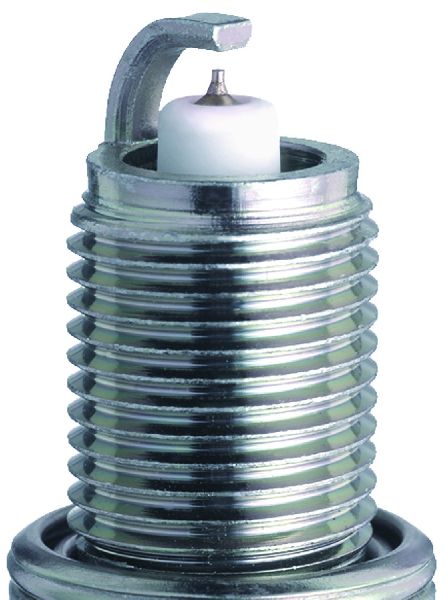
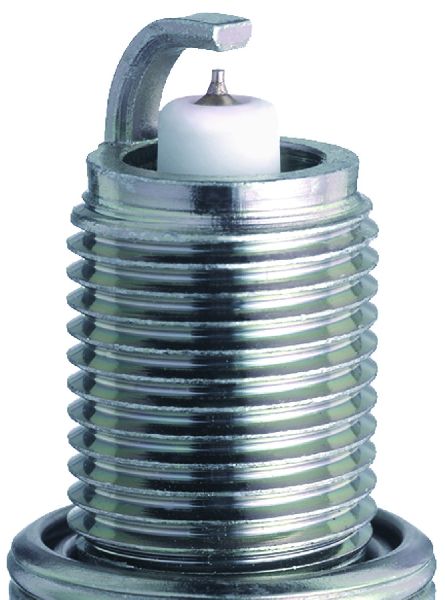
- NGK: Overwhelmingly the most recommended brand by Tracker and Suzuki Sidekick owners. Their standard V-Power copper plugs are an excellent, affordable choice that matches the engine's original design. Platinum and Iridium IX versions are also available for longer life, though some owners report no significant performance gain on the stock 1.6L engine.
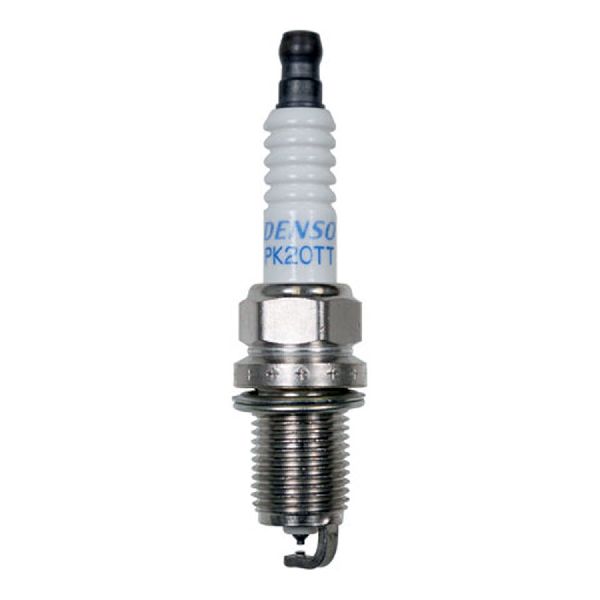
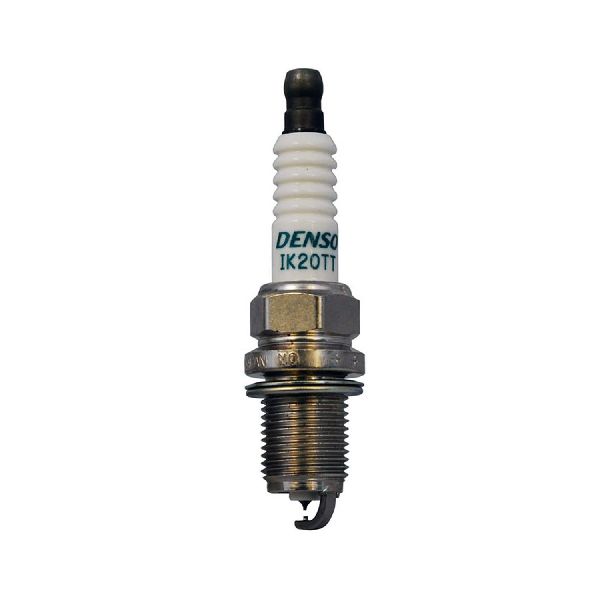
- Denso: Another excellent Japanese brand and a trusted OEM supplier. Denso's U-Groove copper plugs are a great alternative to NGK and will provide reliable performance. Both NGK and Denso are considered the best options for your Tracker.
Tier 2: Standard Aftermarket Brands
These brands are widely available and can be a decent choice if Tier 1 options are not available, but owner feedback is more mixed.
- ACDelco: A reputable brand that offers compatible plugs. While not as commonly discussed in Tracker forums, they are a reliable choice for general automotive repairs.
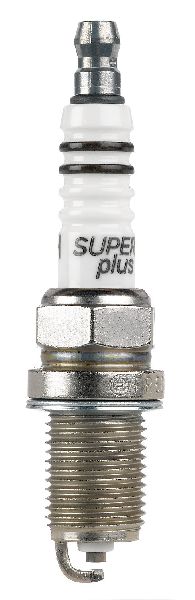
- Bosch: Bosch offers platinum plugs that fit the Tracker. While a major brand, they are not as frequently recommended by the Tracker community as NGK or Denso.
Tier 3: Budget & Economy Brands
These brands are typically the most affordable but may have a higher chance of defects or a shorter lifespan. Use with caution.
- Autolite & Champion: While these brands are popular and very affordable, some users have reported issues with quality control and premature failures. They can work in a pinch, but for a few dollars more, NGK or Denso offer more peace of mind.
- Skyward: This is likely a private-label or economy brand. With no significant owner feedback available, it should be considered a budget option without a proven track record for this specific vehicle.
Pro Tip: Check the Gap!
No matter which brand you choose, you must check the spark plug gap before installation. The correct gap for the 1.6L engine is usually listed on a sticker under the hood, typically around 0.028 inches. New plugs are not always gapped correctly out of the box. Use a simple gapping tool to measure and adjust the gap for the best performance.
🎬 See this quick guide on how to gap spark plugs correctly.Aftermarket Spark Plug Cost for 1989-1997 Geo Tracker
| Part Tier | Brand Examples | Price Range (per plug) |
|---|---|---|
| Tier 1: Recommended | NGK, Denso | $4 - $15 |
| Tier 2: Standard | ACDelco, Bosch | $4 - $10 |
| Tier 3: Budget | Autolite, Champion, Skyward | $3.50 - $7 |
Note: Prices are estimates and can vary based on material (Copper, Platinum, Iridium) and retailer.
Frequently Asked Questions (FAQ)

Is it hard to change the spark plugs on a Geo Tracker?
No, it is a very easy job for a DIYer. The 1.6L engine provides good access to the plugs. The job requires basic tools like a ratchet, an extension, and a spark plug socket. For the 16-valve engine, you may need to remove the air intake tube to reach the back two plugs. Total time is usually under an hour.
🎬 Watch: Step-by-step spark plug replacement and gapping for your Tracker.How often should I change my spark plugs?
For standard copper plugs like the NGK V-Power, a good interval is every 30,000 miles or every few years. If you use more expensive platinum or iridium plugs, you can extend that interval to 60,000 miles or more, but always check for signs of wear.
Should I use copper, platinum, or iridium plugs?
The original plugs were standard copper plugs, and they work perfectly in the Tracker's ignition system. NGK V-Power or standard Denso copper plugs are excellent choices. Platinum and iridium plugs will last longer but may not provide any noticeable performance benefit on this engine and cost more. Some owners prefer to stick with fresh copper plugs changed more frequently.
Do I need to put anti-seize on the new plugs?
It depends on the brand. NGK specifically states that their plugs with trivalent metal plating do not require anti-seize. Applying it can lead to over-torquing. For other brands, check the manufacturer's instructions. When in doubt, a very small amount can be used, but be careful not to over-tighten the plug.
What's the difference between plugs for the 8-valve and 16-valve engine?
There can be different part numbers for the 8-valve (1989-1995) and 16-valve (1994-1997) engines. Always confirm the fitment for your specific year and engine model before purchasing to ensure you have the correct heat range and thread reach.
Helpful Videos
Technical Specifications
Spark Plug Gap: 0.028 in (0.7mm) - Always verify with the under-hood sticker. Engine: 1.6L 4-Cylinder (8-valve or 16-valve)
We Have This Part in Stock


The information in this article is provided for general reference and educational purposes only. Vehicle specifications, procedures, and part compatibility can vary by production date, trim level, and region. Always consult your vehicle's factory service manual and verify part numbers before purchasing or performing repairs. Safety-critical components such as airbags, seat belts, and braking systems should be installed by a qualified professional.
- Geo Tracker:
- 🎬 Helpful Videos
- 🛍️ Shop This Part
- Signs of Failing Spark Plugs in Your Tracker
- Choosing the Right Aftermarket Spark Plugs
- Tier 1: Recommended OE-Quality Brands
- Tier 2: Standard Aftermarket Brands
- Tier 3: Budget & Economy Brands
- Pro Tip: Check the Gap!
- Aftermarket Spark Plug Cost for 1989-1997 Geo Tracker
- Frequently Asked Questions (FAQ)
- 🎟️ Get 5% Off