

A/C Receiver Drier Guide for the 1989-1998 Chevrolet Tracker
Keep your Tracker's A/C blowing cold by understanding this critical, but often overlooked, part.
- The receiver drier MUST be replaced any time the A/C system is opened for service, such as a compressor or hose replacement.
- For this vehicle, a new aftermarket drier from a brand like Denso, ACDelco, or Four Seasons is a reliable and cost-effective choice.
- Replacement is not a DIY job because it legally requires professional refrigerant evacuation and recharging equipment.
- There are no specific recalls or TSBs for the A/C system on the 1989-1998 Tracker; most problems are due to age-related wear.
Is Your Tracker's A/C Getting Weak? It Might Be Time for a New Receiver Drier
If your 1989-1998 Chevrolet Tracker's air conditioning isn't as cold as it used to be, you might suspect a refrigerant leak or a bad compressor. While these are common issues, the A/C receiver drier plays a crucial role that is often forgotten. This part is a maintenance item that must be replaced any time the A/C system is opened for repairs. Failure to do so can cause your new parts to fail quickly and will void the warranty on a new compressor.
Symptoms of a Failing A/C System
A receiver drier doesn't usually fail on its own. Instead, it becomes saturated with moisture after a leak or when the system is opened. A saturated drier can lead to several A/C problems:
- Poor Cooling: The most common symptom is warm or barely cool air from the vents. This can happen when moisture in the system freezes at the expansion valve, creating a blockage.
- Foggy Windows You Can't Defrost: If the A/C system can't remove humidity from the cabin air, your defroster will not work effectively to clear the windshield.
- A/C System Stops Working After a Short Time: The system may cool for a few minutes and then start blowing warm air as moisture freezes and blocks refrigerant flow.
- Visible Frost on A/C Lines: In some cases, excessive moisture can cause ice to form on the A/C components themselves.
Mandatory Replacement Rule
You must replace the receiver drier whenever you replace the A/C compressor or have any other repair that exposes the inside of the system to outside air. The desiccant inside instantly absorbs moisture from the air and cannot be dried out. Reusing an old drier will send moisture and contaminants through your new parts, leading to another failure.
Choosing the Right Aftermarket Drier for Your Tracker
For a vehicle like the 1989-1998 Tracker, you don't need to hunt down an expensive original part. New aftermarket receiver driers offer excellent performance and value. Here’s a breakdown of the available brands:
- Denso: Often an original equipment manufacturer (OEM) for many car brands, Denso parts are known for top-tier quality and reliability. If you want the best possible replacement, Denso is a safe bet.
- ACDelco: As GM's own parts brand, ACDelco is another trusted, high-quality option. Sometimes, their A/C components are made by Denso.
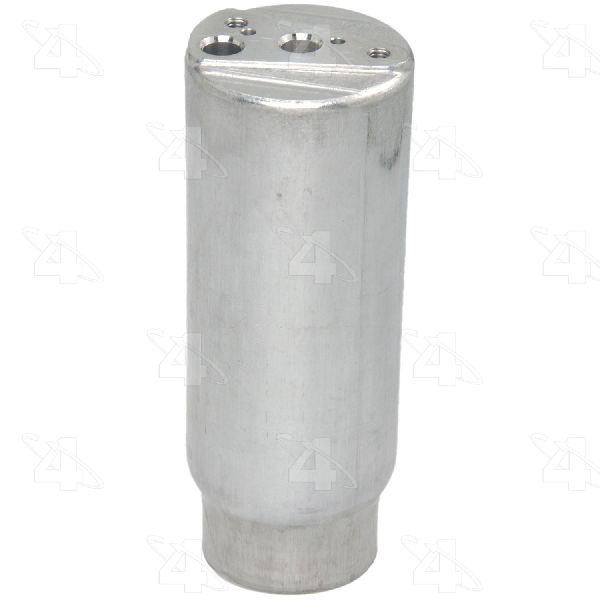
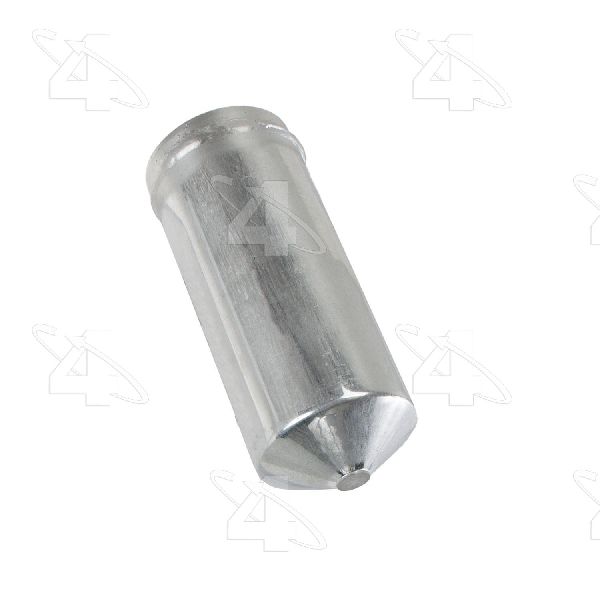
- Four Seasons: A very popular and reputable aftermarket brand. For a part like a receiver drier on an older vehicle, a new Four Seasons unit provides a great balance of quality and cost.
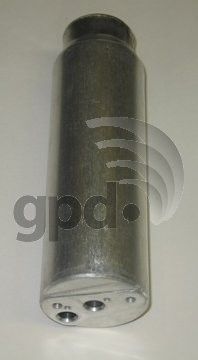
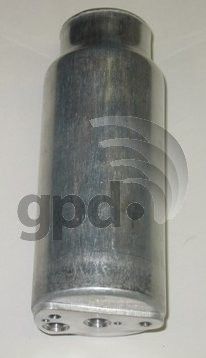
- Global Parts (GPD): GPD is a large distributor of aftermarket A/C parts. They are a budget-friendly option that meets OE form and fit requirements.
Pro Tip: OEM vs. Aftermarket
While an OEM-quality brand like Denso is recommended for a complex part like an A/C compressor, a new aftermarket receiver drier from a brand like Four Seasons or ACDelco is a perfectly reliable and cost-effective choice for your Tracker. The most important factor is that the part is new, not its brand name.
Known Issues, Recalls, and Bulletins
Searches of the National Highway Traffic Safety Administration (NHTSA) database show no recalls or technical service bulletins (TSBs) specifically related to the A/C receiver drier or the general A/C system for the 1989-1998 Chevrolet Tracker. Most A/C issues on these vehicles are due to the age of the components, such as leaks from old hoses and seals.
| Part/Service | Estimated Cost |
|---|---|
| New Aftermarket Receiver Drier | $20 - $40 |
| New OEM Receiver Drier | $60 - $110 |
| Shop Labor (A/C Evacuate & Recharge) | $120 - $250 |
Frequently Asked Questions (FAQ)
Can I replace the A/C receiver drier myself?
This is not a simple DIY job. By law, the refrigerant in the system must be recovered by a certified technician with special equipment before the system is opened. Once the part is replaced, the system must be put into a deep vacuum to remove all air and moisture before being recharged with the correct amount of refrigerant and oil. While you could physically swap the part, the required evacuation and recharge process needs a professional.
Where is the receiver drier located on my Tracker?
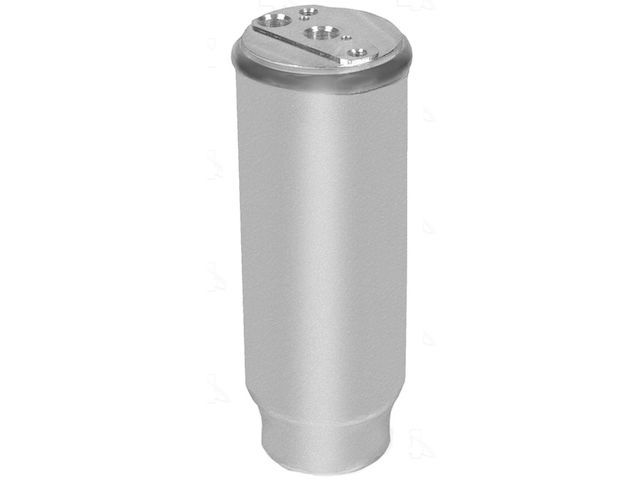
The receiver drier is a small canister, usually black or silver, connected in-line with the aluminum A/C hoses. It is typically located in the engine bay, often near the front of the vehicle by the A/C condenser or along the firewall.
Do I need to add oil when I replace the drier?
Yes. A small amount of PAG oil is typically added to a new receiver drier to replace what was removed with the old part. The exact amount varies, so consult your vehicle's service manual or the part manufacturer's instructions. Using the correct type and amount of oil is critical for compressor lubrication.
What refrigerant does my 1989-1998 Tracker use?
This is important. Early models (typically 1989-1993) used R12 refrigerant, which is no longer available to the public. Later models (typically 1994-1998) use R134a. Many older vehicles have been converted from R12 to R134a. Check the service ports and any labels under the hood to confirm which refrigerant your system uses before having it serviced.
Technical Specifications
Desiccant Material: XH-7 or XH-9 Refrigerant Compatibility: R12 or R134a (Varies by year) Material: Aluminum
We Have This Part in Stock

The information in this article is provided for general reference and educational purposes only. Vehicle specifications, procedures, and part compatibility can vary by production date, trim level, and region. Always consult your vehicle's factory service manual and verify part numbers before purchasing or performing repairs. Safety-critical components such as airbags, seat belts, and braking systems should be installed by a qualified professional.
- Chevrolet Tracker:
- 🛍️ Shop This Part
- Is Your Tracker's A/C Getting Weak? It Might Be Time for a New Receiver Drier
- Symptoms of a Failing A/C System
- Mandatory Replacement Rule
- Choosing the Right Aftermarket Drier for Your Tracker
- Pro Tip: OEM vs. Aftermarket
- Known Issues, Recalls, and Bulletins
- Frequently Asked Questions (FAQ)
- 🎟️ Get 5% Off